Entering the kitchen as a beginner can be a daunting experience, but it's a journey filled with rewarding milestones. The path to becoming proficient in the kitchen starts with mastering essential food safety and hygiene practices, ensuring meals are not only delicious but also safe to eat. Acquiring foundational cooking techniques can transform simple ingredients into delectable dishes.
Further along in the culinary quest, an understanding of recipe fundamentals allows for a smoother cooking process and more predictable outcomes, while meal planning and shopping equip one with the tools to efficiently utilize resources, minimize waste, and maintain a balanced diet. As skills are honed, presentation and garnishing become the final touches that elevate a meal from home cooking to an art form, while ongoing learning and troubleshooting through frequently asked questions solidify knowledge and confidence.
Before diving into the joy of cooking, one must familiarize themselves with the kitchen environment. This includes understanding key tools and equipment, stocking essential pantry items, and learning how to read and interpret recipes accurately.
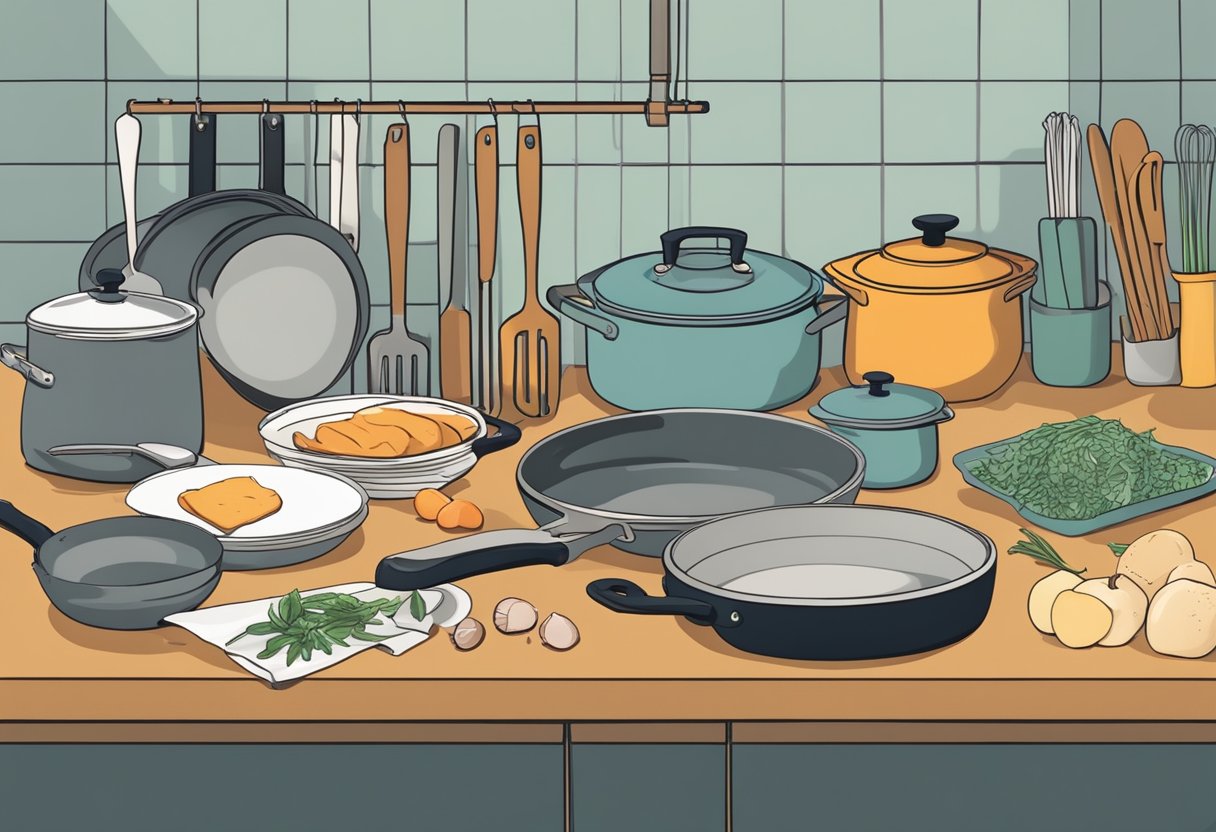
A beginner in the kitchen should start with a basic set of tools that will serve most cooking needs. Essential items include a stock pot, sauté pan, skillet, saucepan, and possibly a nonstick pan for cooking eggs and delicate items. One should also have on hand measuring cups and spoons, mixing bowls, a colander, a vegetable peeler, a grater, a whisk, spatulas, and a can opener.
When building a foundational pantry, key staples encompass more than just salt and pepper. It's advantageous to stock up on a variety of spices such as oregano, black pepper, and garlic powder to enhance the flavors of different dishes. Additionally, staples like oils, vinegars, dried grains, and canned goods form the backbone of countless recipes.
Recipes are a roadmap to successful dishes. They detail the necessary ingredients, quantities, and steps. To ensure clarity and success, one must thoroughly read through the recipe beforehand. Pay special attention to terms like "sauté," "simmer," or "fold," and if unsure, refer to culinary guides or cooking tips for beginners from reliable sources to better understand these cooking techniques.
Food safety and hygiene are crucial for preventing foodborne illnesses. One must be vigilant in handling, storing, and preparing food to ensure it remains safe to consume.
Cross-contamination occurs when harmful bacteria or allergens are unintentionally transferred from one food item to another. To prevent this:
Storing food correctly is vital to maintain its safety and extend its shelf life:
Knife safety is fundamental to food preparation. Proper handling can prevent injuries:
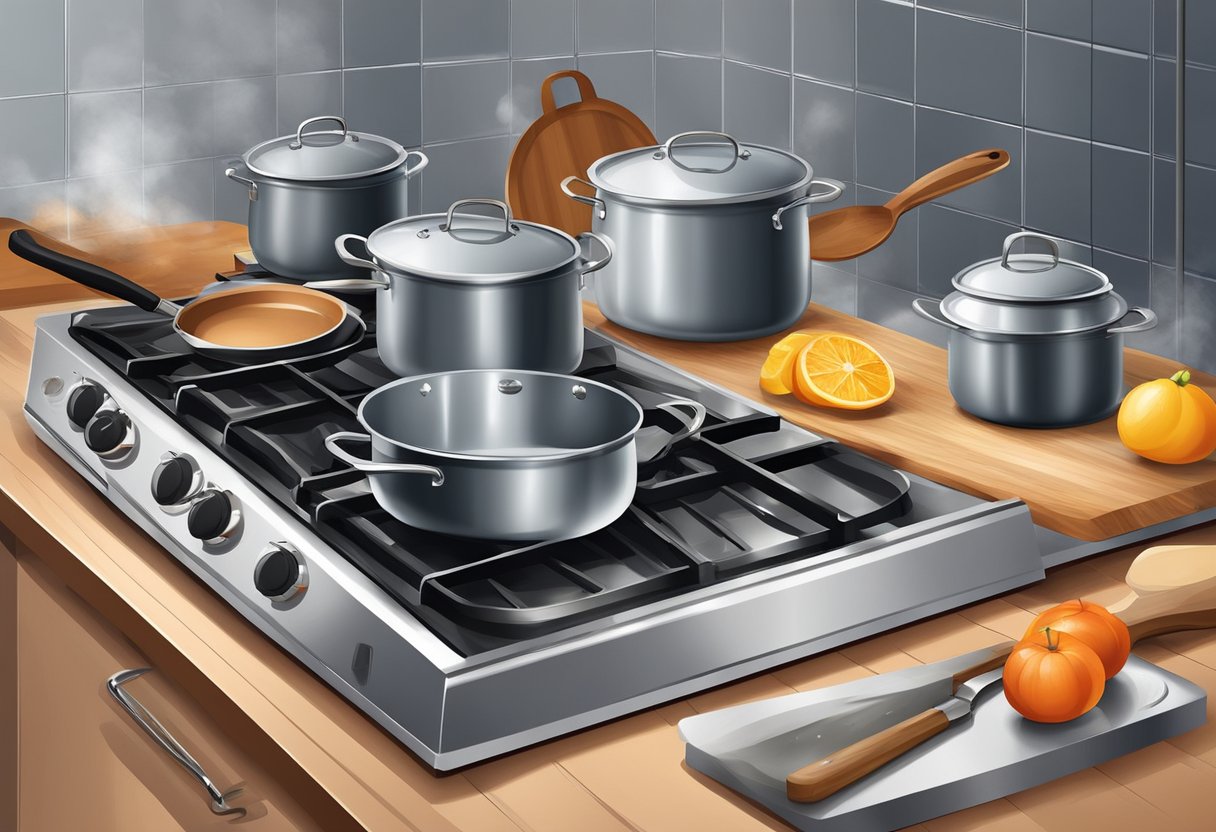
Mastering fundamental cooking techniques allows one to navigate recipes with precision and skill.
Boiling is the process of cooking food in boiling water, typically at 212°F (100°C), and is often used for pasta or vegetables. Simmering occurs at a slightly lower temperature where small bubbles appear at the bottom of the pot, typically for stocks or soups. Poaching involves cooking more delicate items, like eggs or fish, in water that is hot but not bubbling vigorously.
Sautéing involves cooking food quickly in a small amount of oil over medium-high heat. The goal is to achieve a browned, flavorful exterior without overcooking. Frying, on the other hand, means immersing food in hot oil, which cooks the food through heat conducted by oil.
Baking employs dry heat in an oven to transform ingredients into baked goods with a firm outer crust and soft interior. Roasting is similar but typically refers to cooking meat or vegetables, often at higher temperatures, to achieve a caramelized exterior and tender interior.
Grilling subjects food to direct heat from below, often imparting a distinctive char and flavor. Broiling uses direct heat from above, ideal for quickly cooking or finishing dishes with a crisp topping.
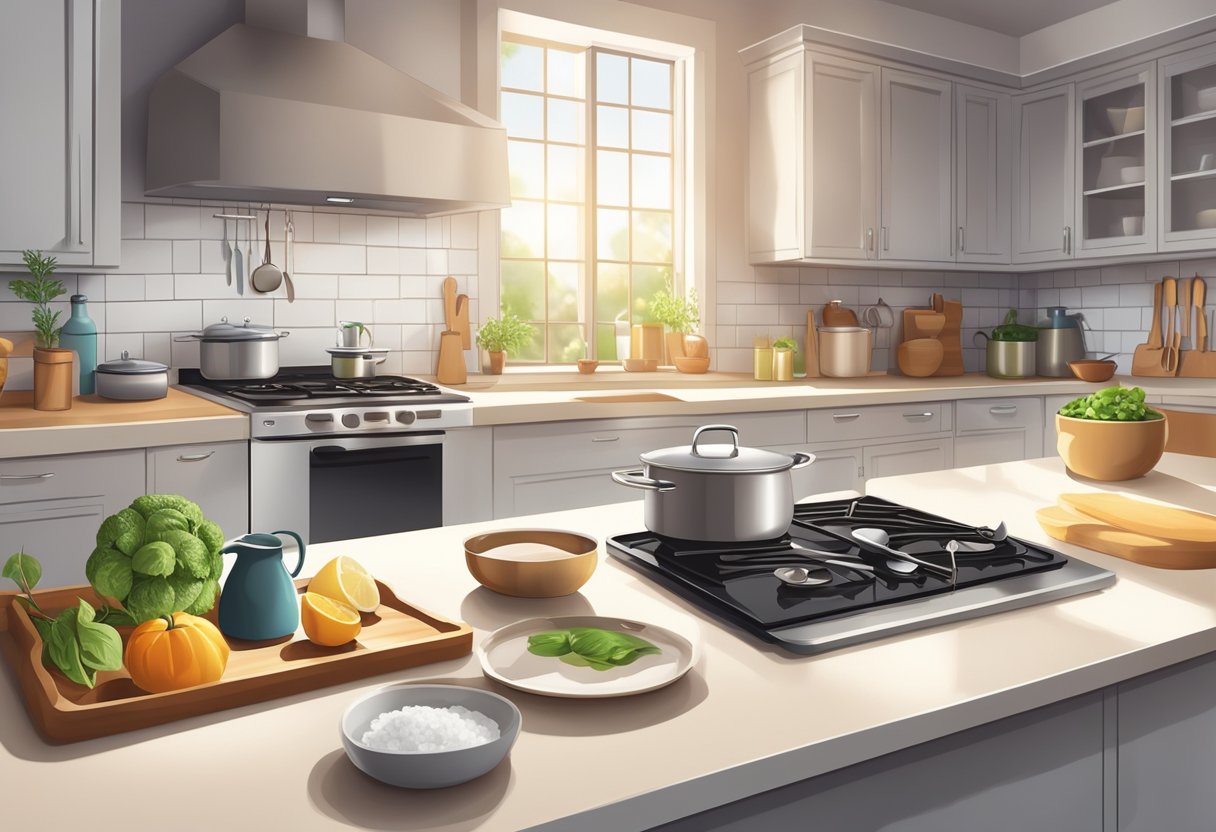
The journey into home cooking begins with mastering recipe fundamentals. These foundational elements serve as a roadmap for successful meal creation.
They understand that balanced flavors are the cornerstone of any great dish. Utilizing the five basic tastes—sweet, sour, salty, bitter, and umami—is key. For instance, a hint of lemon juice (sour) can enhance the natural sweetness of a dish, while a pinch of salt (salty) can reduce bitterness and bring flavors together.
Cooks often adjust recipes to align with their personal preferences. This might involve adding spices incrementally or swapping one herb for another, like basil for oregano, to achieve the desired flavor profile. They remember that tasting and tweaking as one goes is an important part of the cooking process.
They prioritize the sequence and timing laid out in recipes. For beginners, following steps as written, such as chopping vegetables before starting to cook (mise en place), provides an organized framework that helps prevent mishaps and ensures each component is ready at the right moment.
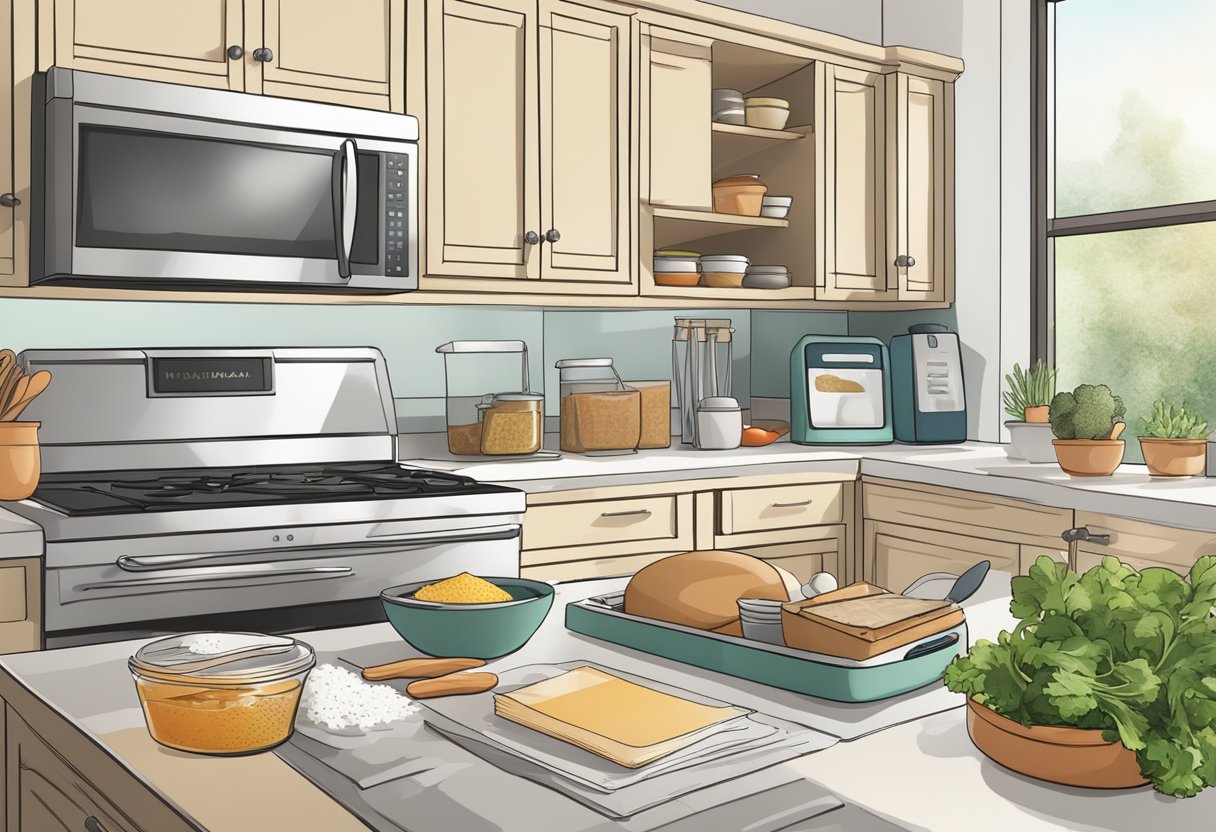
In the journey to becoming proficient in the kitchen, mastering the art of meal planning and efficient grocery shopping are foundational skills. They ensure one has a well-thought-out plan for balanced meals and a strategic approach to buying the necessary ingredients.
When planning meals, one should aim for a variety of nutrients by including a mix of proteins, carbohydrates, and fats. For example, a balanced dinner could feature a lean protein such as grilled chicken breast, a complex carbohydrate like quinoa, and a healthy fat such as avocado. For vegetables, aim to include a colorful assortment such as steamed broccoli and roasted carrots, providing essential vitamins and minerals.
Before heading to the store, one should:
One should view leftovers as an opportunity rather than an afterthought. Leftover roasted vegetables can be repurposed into a vibrant frittata for breakfast, while last night's grilled chicken is an excellent protein addition for today's lunch salad. By planning meals that allow for components to be reused, one minimizes food waste and maximizes their food budget.
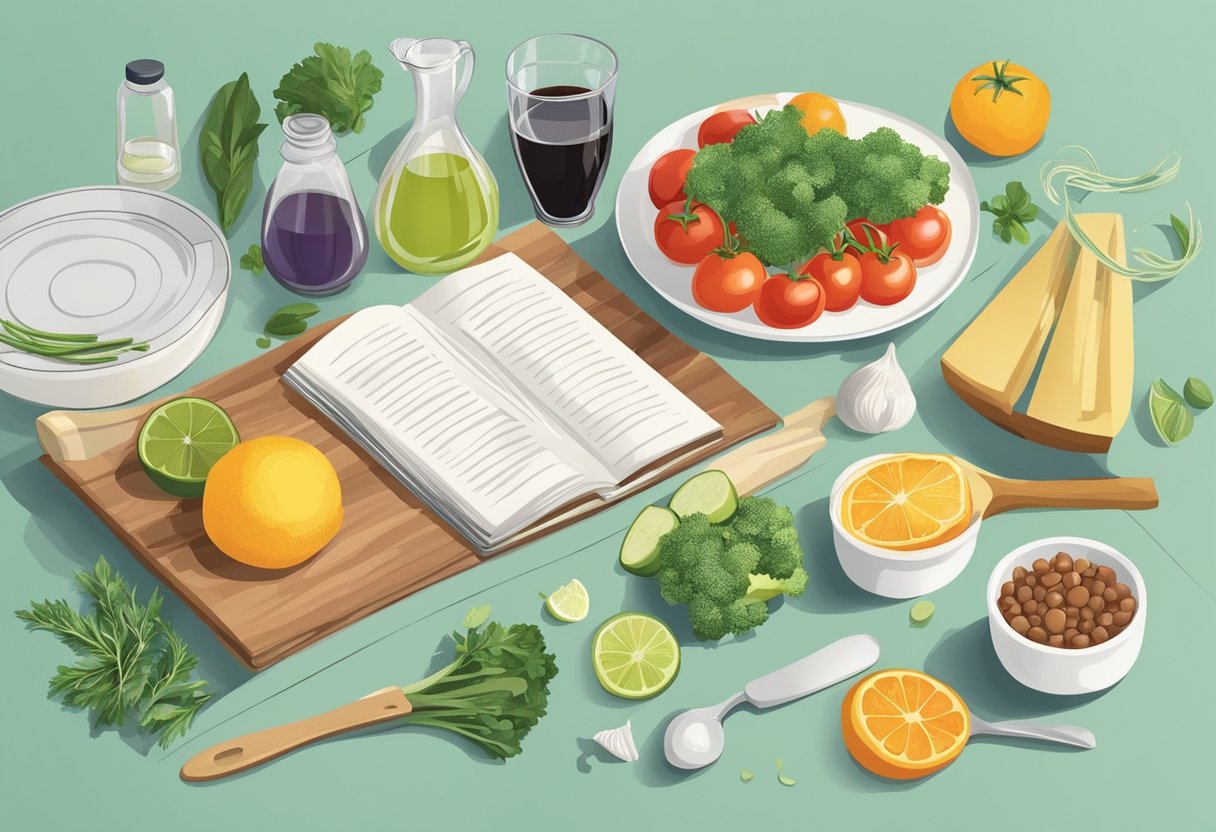
In cooking, the visual appeal of a dish can be just as important as its taste. Presentation and garnishing are essential skills every beginner should master to elevate their culinary creations from satisfactory to exceptional.
When plating food, one should aim for balance in both color and arrangement. Contrasting colors can make a dish stand out, and using odd numbers when plating items like meatballs or scallops is visually pleasing. It's advised to place the main component of the dish off-center and arrange the sides around it in a way that guides the eye across the entire plate.
Selecting appropriate dinnerware involves considering size, color, and shape. A white, round plate is a classic choice that allows the colors of the food to pop, but one can also opt for muted colors that complement the dish. The size of the plate should be large enough to let each element breathe, yet small enough to keep the portions looking generous.
Garnishes add the final touch to a dish, both aesthetically and often providing a burst of flavor. Fresh herbs, such as a sprig of parsley or basil, can add color and aroma. For a more elaborate touch, a beginner could include simple shapes cut from vegetables or a drizzle of sauce in an accentuating pattern around the plate. Using tools like vegetable peelers and graters can aid in making quick and easy garnishes that look professional.
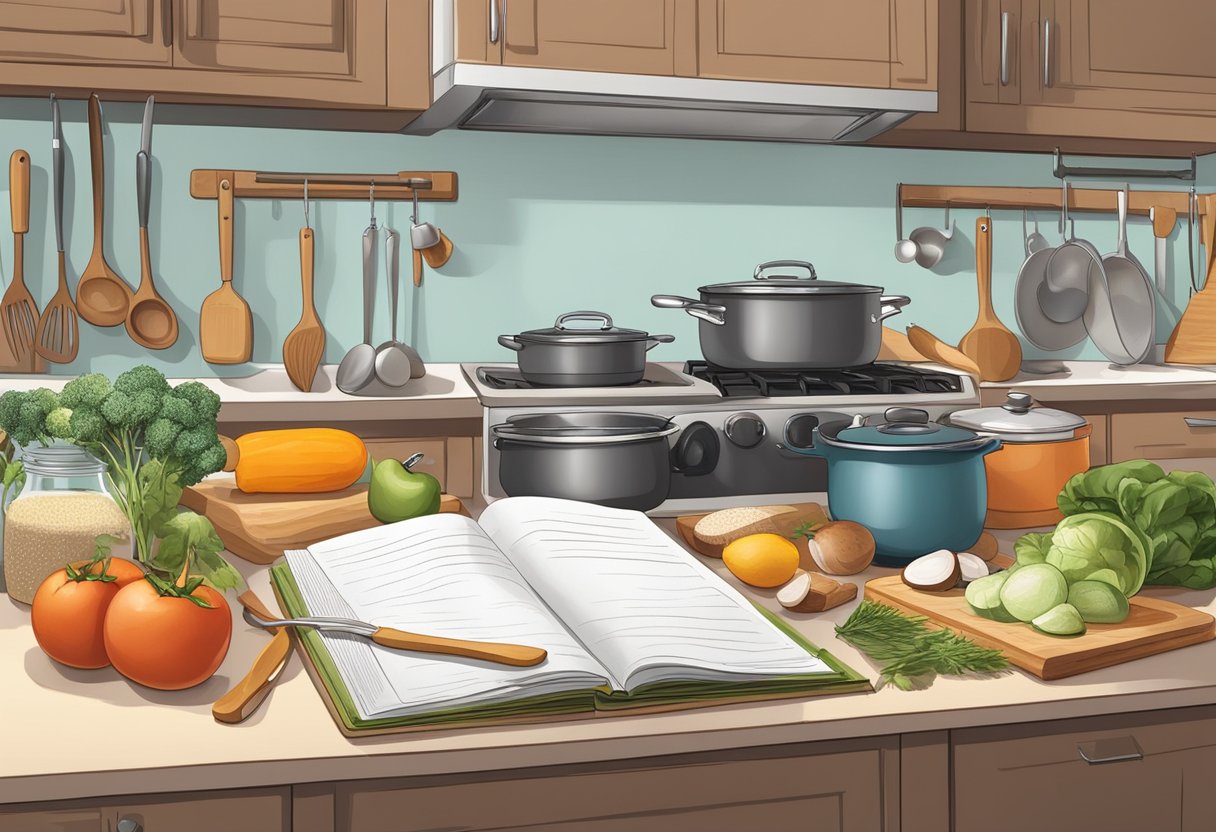
In this section, beginners will find answers to common puzzles that arise when first entering the kitchen. These responses aim to give a clear starting point for new cooks and a solid foundation for culinary self-education.
A beginner should start with basic recipes like scrambled eggs, spaghetti with marinara sauce, and a simple stir-fry. These dishes cover essential techniques like boiling, sautéing, and proper heat control.
For those starting out, the book "How to Cook Everything" by Mark Bittman is highly recommended, as it explains basic techniques and has a wide variety of recipes. Additionally, "The Joy of Cooking" is an indispensable resource that provides in-depth guidance on a breadth of cooking topics.
Beginners should allocate specific days and times each week to practice cooking different types of dishes. They might start with simple meals and gradually incorporate more complex recipes into the rotation as skills improve.
Every beginner should learn how to handle a knife properly, cook pasta to the right texture, make a basic sauce, and understand food safety principles. Mastering these foundational skills will grow a beginner's confidence in the kitchen.
Beginners can often find suitable cooking classes at local community centers, culinary schools, and even through online platforms that offer a range of courses for different skill levels.
Beginners can undertake cooking challenges such as baking a new bread type each week or cooking through a simple cookbook. Projects like these encourage consistent practice and culinary exploration.