
Mediterranean cuisine is a diverse and vibrant culinary tradition rooted in the countries bordering the Mediterranean Sea, encompassing a wide array of regional dishes and cooking methods that reflect the cultural melting pot of the region. Historically, this cuisine has been shaped by the trading of spices and ingredients among the different civilizations that thrived around the Mediterranean, including the Greeks, Romans, Arabs, and Ottomans. Characterized by its emphasis on fresh vegetables, fruits, whole grains, legumes, nuts, seafood, and liberal use of olive oil, the diet boasts a plethora of flavors and nutritional benefits.

The diet is celebrated for its health benefits, largely attributed to its reliance on plant-based foods and the inclusion of healthy fats. Research has linked the Mediterranean diet to a reduced risk of heart disease, reinforcing its status not just as a culinary indulgence, but as a lifestyle choice conducive to long-term health. At the heart of this culinary tradition are dishes that balance earthy, fresh, tangy, and savory flavors, often complemented by a glass of wine, reflecting the region's longstanding viticulture.
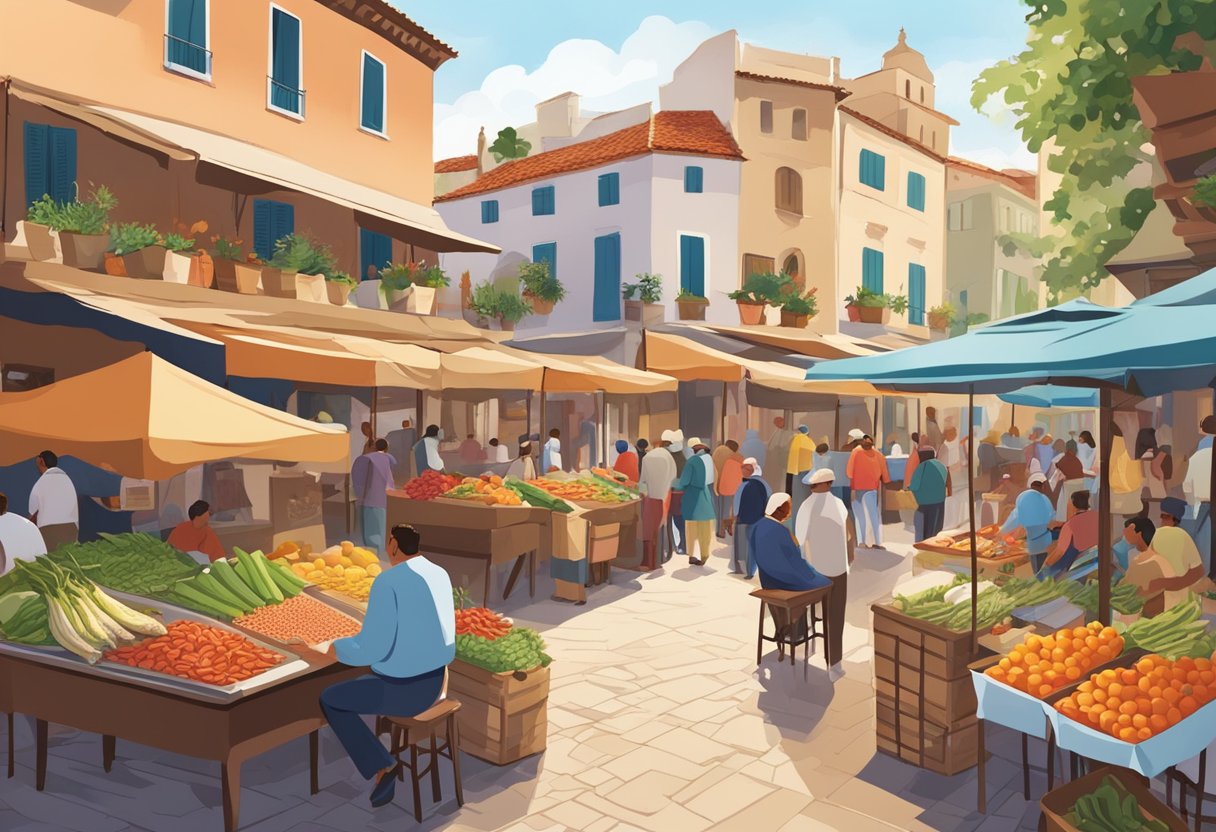
The roots of Mediterranean cuisine can be traced back to Ancient Egypt around the third and fourth centuries A.D. Its evolution has been influenced by various historical events and cultural exchanges. Key periods that shaped this cuisine include the Arab agricultural revolution between the ninth and twelfth centuries, as well as the consequential interchange from the Age of Exploration in the fifteenth and sixteenth centuries.
Mediterranean cuisine encompasses a diverse range of cultures and countries such as Italy, Greece, Spain, and Turkey. It is characterized by its use of fresh vegetables, fruits, grains, nuts, legumes, and an emphasis on olive oil. The region's temperate climate and fertile soil have supported the growth of a rich variety of ingredients that are central to its dishes.
The modern concept of this collective cuisine can be attributed to the work of authors like Elizabeth David, whose book titled "A Book of Mediterranean Food" in 1950 brought the idea to an English-speaking audience. This was amplified by subsequent writers who also celebrated the shared culinary practices of the Mediterranean regions.
The impact of the Renaissance further contributed to the complexity of flavors and techniques found in Mediterranean cooking. This era encouraged experimentation and creativity, leading to variations that are still evident across the region's gastronomy today.
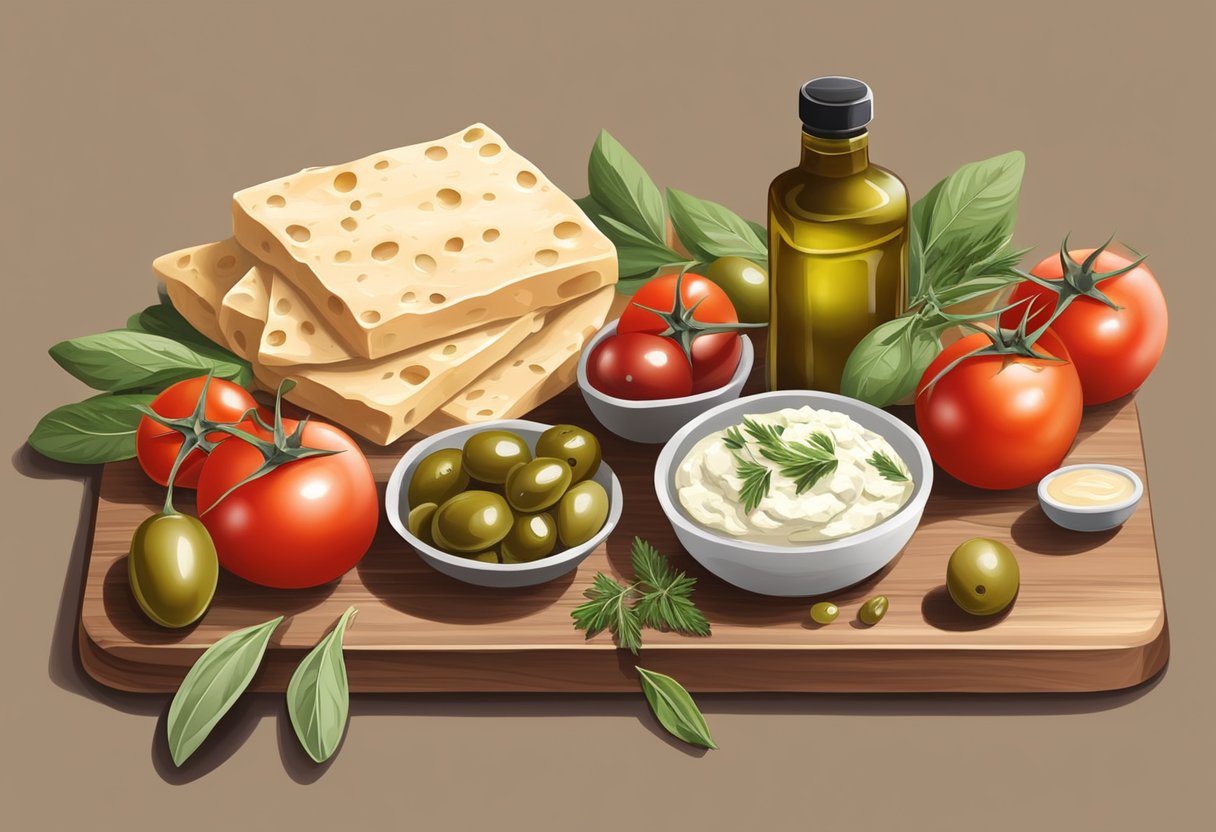
In the landscape of Mediterranean cuisine, a symphony of flavors is driven by a selection of foundational ingredients. Central to the medley is olive oil, hailed for its versatility and health benefits. This staple, extracted from the region's bountiful olive groves, is the heart of cooking and garnishing across Mediterranean kitchens.
Fresh vegetables and fruits constitute another pillar, providing vibrant tastes and textures. One finds ripe tomatoes, crisp cucumbers, and succulent bell peppers abundantly incorporated in dishes. Greens like spinach and arugula, alongside citrus fruits such as lemons, enhance meals with a fresh, zesty profile.
Herbs and spices play pivotal roles, with varieties like oregano, basil, and thyme infusing meals with their distinctive aromatic touch. Pimentón, or smoked paprika, imparts a robust depth to an array of recipes, making it a star in the spice cabinet.
Additionally, the inclusion of legumes such as chickpeas and lentils bolsters the nutrition and substance of the cuisine. These protein-rich ingredients feature in a variety of preparations, from salads to stews.
One must not overlook the importance of nuts and seeds, which bring crunch and nourishment, seamlessly fitting into the composition of both savory and sweet offerings.
Lastly, Mediterranean cooking often highlights dairy products like feta and halloumi cheese, contributing a salty tang and textural contrast to dishes.
These ingredients, together, create a diet that is as healthful as it is flavorsome, reflective of a culture that celebrates the natural bounty of its lands and seas.

Mediterranean cuisine is associated with numerous health advantages, supported by scientific research. The core elements of this diet include:
Studies suggest a Mediterranean diet lowers the risk of heart disease. The inclusion of foods low in saturated fat contributes to a lower risk of heart disease, and cardioprotective effects are well-documented.
A diet featuring fewer red meats and a higher intake of vegetables and fruits may correlate with a reduced cancer risk.
The balance of high-fiber foods and healthy fats helps in promoting satiety, which can aid in weight loss.
There is evidence suggesting the Mediterranean diet may improve brain function and reduce the risk of neurodegenerative diseases.
Adhering to Mediterranean culinary practices could also be linked to increased lifespan, according to some studies.
The diet emphasizes fermented foods and a wide array of plants, which may support a healthy gut microbiome.
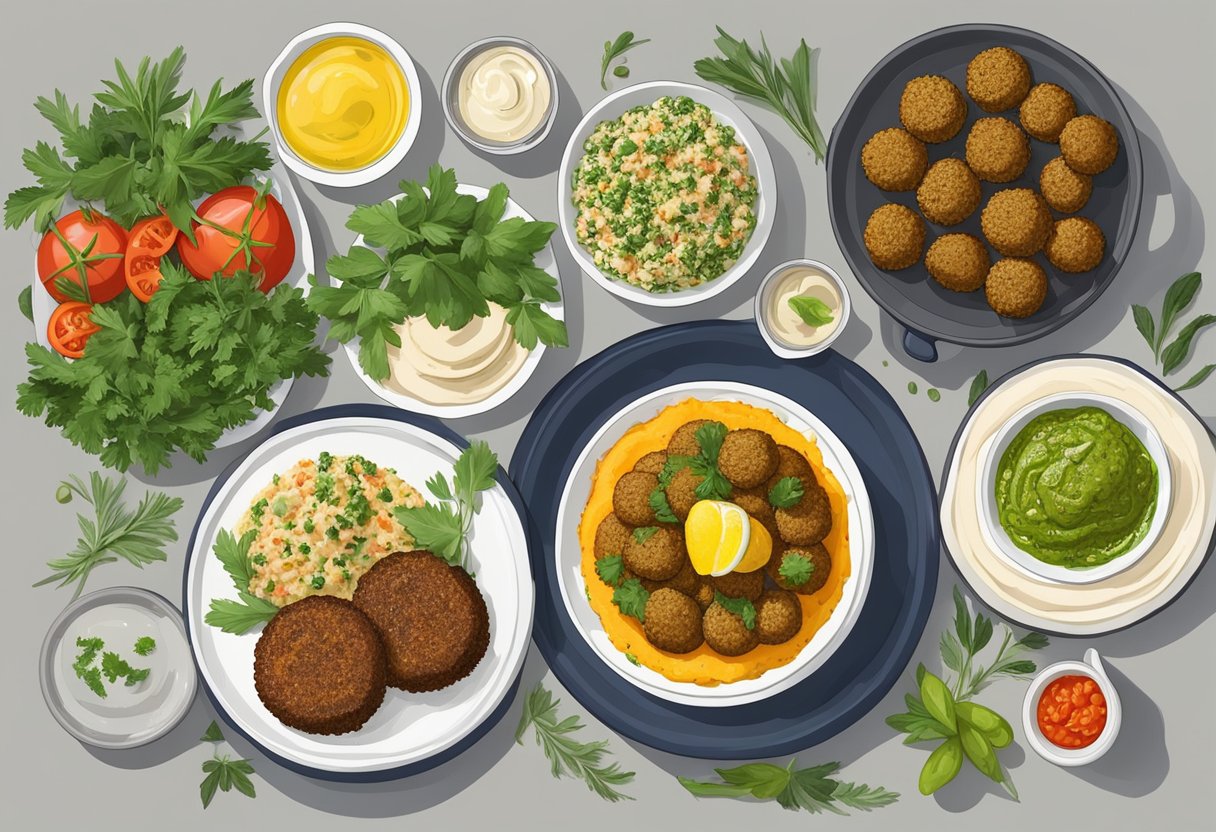
Mediterranean cuisine is renowned for its diversity and the emphasis on fresh ingredients. Below is a closer look at some popular dishes that are essential to this region's culinary tradition.
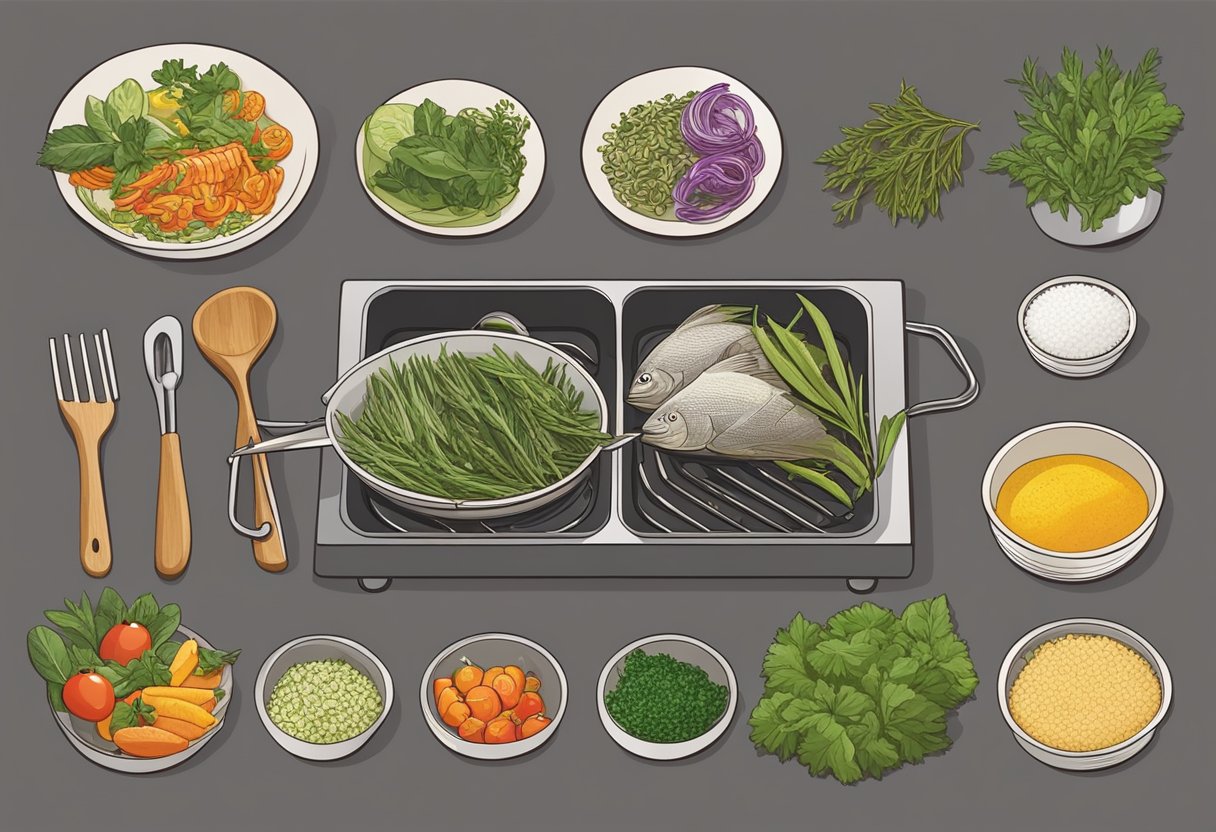
Mediterranean cuisine is renowned for its diversity of cooking techniques. These methods are integral to creating the region's characteristic flavors and textures.
Grilling: This is one of the most quintessential methods in the Mediterranean kitchen. It imparts a smoky flavor and char to everything from meat to vegetables, enhancing their natural qualities. Learn more about the significance of grilling in Mediterranean Cuisine.
Slow Cooking: Often used for stews and braises, the slow cooking technique allows flavors to develop and deepen over time, producing tender and succulent dishes.
Roasting: Utilizing an oven's dry heat, chefs often roast meats and vegetables to achieve a golden, flavorful crust with a juicy interior.
Baking: From airy bread to flaky pastries, baking is essential in Mediterranean cuisine, particularly for its variety of unleavened and leavened bread.
Sautéing: This quick-cooking process uses a small amount of oil or fat, ideal for vegetables and smaller cuts of meat. Sautéed dishes preserve the crispness and color of their components.
To dive into fundamental ingredients that can transform your culinary repertoire, explore the must-have ingredients for Mediterranean cooking which heavily influence the techniques applied.
Each of these methods respects the integrity of the ingredients, showcasing the Mediterranean diet's healthful qualities while providing an array of textures and flavors. Using these techniques, cooks can create meals that are both traditional and innovative, reflecting the rich culinary heritage of the Mediterranean.

Mediterranean cuisine is celebrated for its diverse and vibrant flavor profiles, which stem from a range of fresh ingredients and herbs commonly found in countries bordering the Mediterranean Sea. The culinary traditions of this region prioritize the use of specific elements to create dishes that are as healthy as they are flavorful.
Mediterranean cuisines are also well-known for their inclusion of a wide range of vegetables like eggplant, tomatoes, and onions, which add intrinsic sweetness and texture to meals. In essence, the flavor profiles vary from one Mediterranean country to another, but they share a common foundation: the use of fresh, high-quality ingredients to create simple yet robust flavors.
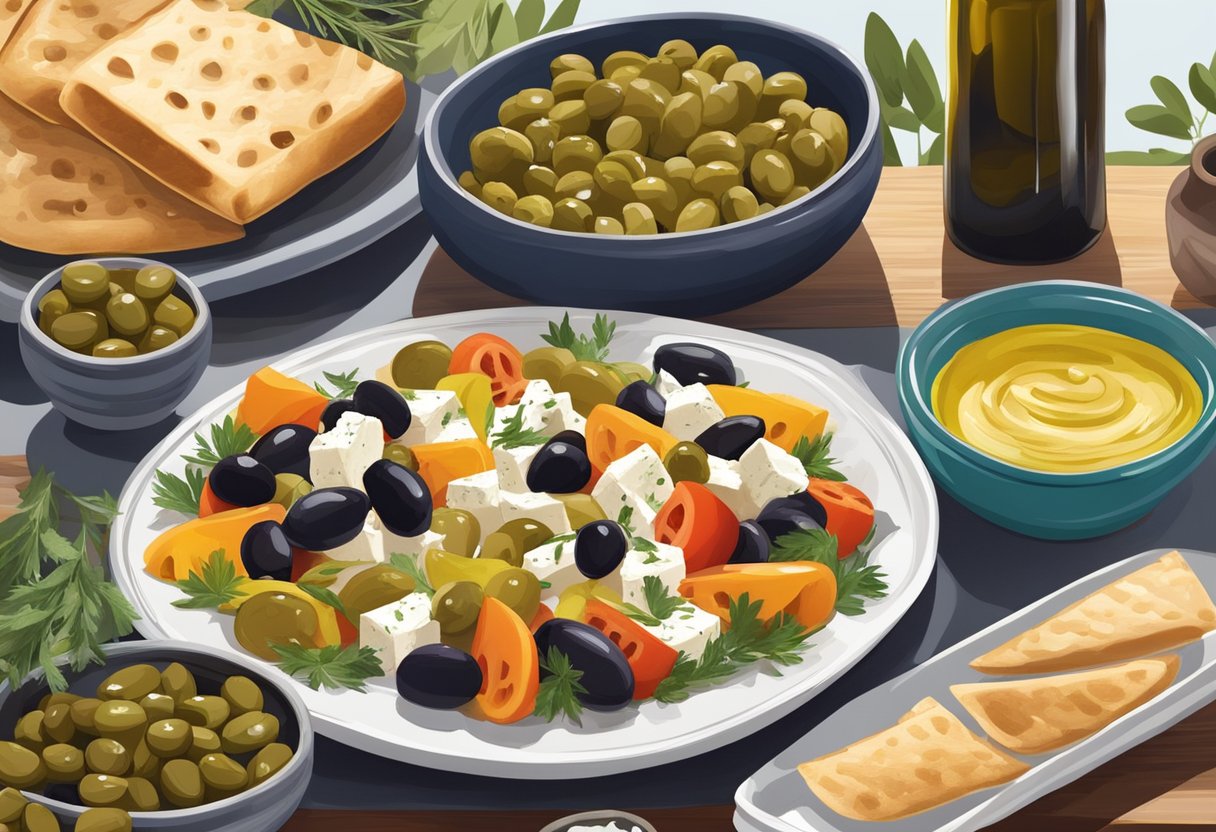
The Mediterranean diet embraces diversity, offering a multitude of options for those with different dietary preferences or requirements. This section explores vegetarian and gluten-free variations within the Mediterranean culinary tradition.
Mediterranean cuisine provides an abundance of vegetarian dishes that focus on fresh produce, legumes, and healthy fats. For instance, traditional Greek salad or Hummus can serve as staple foods for vegetarians, highlighting ingredients like tomatoes, cucumbers, chickpeas, and olives, all drizzled with extra-virgin olive oil. The Mediterranean diet's emphasis on plant-based proteins ensures that those who refrain from animal-based products can still enjoy a rich variety of meals.
Those who avoid gluten can find solace in the Mediterranean diet's reliance on naturally gluten-free foods. Meals featuring grilled fish or seafood, accompanied by salads or sides of quinoa, are both satisfying and adhere to gluten-free needs. As noted by the scientific literature, the diet is characterized by high intakes of fruits, vegetables, nuts, and grains like rice that are all naturally without gluten. Gluten-free pastas made from rice or corn flour are also often available and can be enjoyed with various sauces and vegetables typical of the region.

Mediterranean cuisine exhibits a rich tapestry of flavors and ingredients, where each region imparts its own signature to the collective culinary landscape.
In North Africa, cuisines are known for their robust use of spices and herbs, which create distinctive and palatable dishes. Countries like Morocco have popularized the tagine, a slow-cooked stew that artfully combines spices such as cumin, coriander, and cinnamon.
Continuing east, Middle Eastern recipes often feature ingredients like olives, pita bread, and chickpeas. The inclusion of tahini and yogurt in dishes, such as the widely enjoyed hummus, embodies the creamy and nuanced profiles typical to this region.
In Southern Europe, particularly in countries like Italy and Greece, the cuisine is characterized by an emphasis on fresh vegetables, grains, and seafood. Italian pasta varieties, each suited to specific sauces and preparations, and Greek staples like moussaka underscore the region's culinary diversity.

Mediterranean cuisine is renowned for its emphasis on fresh and seasonal ingredients. Each season brings a variety of foods that are at their peak of flavor and nutritional value.
Spring marks the beginning of fresh greens and tender vegetables. Artichokes and asparagus emerge, ideal for light salads or grilled dishes. Various types of leafy greens, like spinach and romaine, are also abundant, offering a fresh palette for the season's menus.
Come summer, the focus shifts to ripe fruits and vegetables that require minimal cooking to showcase their natural flavors. Tomatoes burst onto the scene, perfect for classic Greek salads or rich, simmered sauces. Cucumbers, peppers, and eggplants also feature prominently, alongside a bounty of fresh fruits like figs, peaches, and melons that are often enjoyed as simple desserts or snacks.
Autumn welcomes heartier produce such as pumpkins, squashes, and root vegetables. These often appear in warm soups or roasted with a drizzle of olive oil. Grapes harvested in the fall inspire not only the wine production but also appear fresh at the table or dried into raisins for baking and snacks.
As winter sets in, the cuisine turns to comforting and sustenance foods. Citrus fruits like oranges and lemons provide a necessary burst of vitamin C, while olives and their harvested oil add richness to dishes. Legumes and grains, such as lentils and barley, make frequent appearances in hearty stews and warm salads.
Incorporating these seasonal staples allows for a Mediterranean diet that is not only flavorful but also aligned with the natural growing cycle, ensuring each meal is as nutritious as it is delicious.

When it comes to enjoying Mediterranean cuisine, selecting the right beverage can enhance the flavors and overall dining experience. Wines often serve as the go-to choice, with certain varietals matching seamlessly with Mediterranean dishes.
Wine Pairings:
Cocktail Pairings:
| Dish | Wine Pairing | Cocktail Option |
|---|---|---|
| Moussaka | Grenache/Merlot | - |
| Gyros | Tempranillo | - |
| Hummus | Dry Rosé/Albariño | - |
| General | - | Mediterranean Gimlet |
While wine has a traditional place at the Mediterranean table, modern mixology introduces novel cocktail pairings, often featuring regional herbs and spices that echo the cuisine's unique profile. The key is balance, ensuring that the chosen beverage complements rather than overwhelms the dish it accompanies.

In the world of Mediterranean cuisine, there is a distinguished charm in both home-cooked meals and restaurant dining experiences. Each offers a unique approach to savoring the rich flavors characteristic of this diet.
Home-cooked Mediterranean meals often emphasize health and economy. Individuals who cook at home have the advantage of selecting their ingredients, typically opting for fresh produce and whole foods, which aligns with the Mediterranean diet's principles. By cooking at home, they maintain control over the nutritional content and portion sizes, which can benefit those watching their diet or managing food-related health issues.
Conversely, Mediterranean restaurants provide a convenience and social atmosphere that home cooking cannot replicate. Chefs in restaurants are known to have access to a variety of professional tools and appliances, which might not be readily available at home. As highlighted on Chef Works, this can translate into a difference in texture and flavor where food is prepared quickly yet consistently. Additionally, restaurants often embrace the hospitality traditions associated with Mediterranean culture, where dining is as much about the communal experience as it is about the food itself.
Home cooking tends to invite a level of personalization, encouraging improvisation and adaptations for personal taste or dietary needs. However, restaurants offer individuals an opportunity to explore authentic dishes that might require more complex techniques or ingredients less commonly found in household kitchens.
Whether one prefers the intimacy and personal touch of a home-cooked meal or the experiential pleasure of restaurant dining, Mediterranean cuisine remains an exploration of taste, tradition, and healthful living.

Mediterranean cuisine has had a significant impact on global culinary practices, distinguished by its emphasis on whole grains, lean proteins, and heart-healthy fats. The diet from this region, including countries like Greece, Italy, and Spain, is notable for its nutritional benefits and sustainability—aspects that have contributed to its widespread adoption.
The core components of Mediterranean cooking, such as olive oil, fruits, vegetables, and seafood, have transcended their geographical origins to influence menus and dietary habits worldwide. Restaurants and home cooks alike frequently incorporate plant-based dishes and the use of olive oil as a healthier fat option, following the Mediterranean approach.
Interactive elements like sharing platters, which include mezze dishes of hummus and tabbouleh, reflect a move towards social eating experiences that encourage diversity and moderation in portion sizes.
| Ingredient | Global Use |
|---|---|
| Olive Oil | Used as a healthier cooking fat globally |
| Seafood | Incorporated into diets for lean protein |
| Legumes | Adopted in plant-forward dietary patterns |
This cuisine's emphasis on moderation, particularly in the consumption of meats and sweets, has influenced the public's perception toward balanced eating. The moderate intake of wine, particularly red wine, aligns with this food culture's association with responsible, communal dining.
As the demand for diverse and health-conscious options grows, the principles of the Mediterranean diet continue to inspire culinary innovation beyond its native borders, highlighting the importance of quality ingredients and flavorful meals.

This section addresses common inquiries about Mediterranean cuisine, providing concise and informative answers to help readers understand its essence and characteristics.
Mediterranean cuisine is celebrated for its emphasis on fresh fruits and vegetables, whole grains, seafood, nuts, and a high usage of olive oil. The diet typically includes moderate portions of dairy and wine, with red meat consumed on a less frequent basis.
While there are some similarities, Mediterranean cuisine generally focuses more on olive oil, wine, and certain grains like barley and wheat. Middle Eastern cuisine, on the other hand, prominently features items like dates, honey, and pita bread, along with a more prevalent use of spices.
Traditional Mediterranean dishes include Spanish paella, Italian risotto, Greek moussaka, and Provençal ratatouille. Each of these dishes showcases the regional ingredients and flavors specific to different areas within the Mediterranean.
Olive oil, garlic, and tomatoes are three fundamental ingredients widely used in Mediterranean cooking. They serve as the foundational flavors for many dishes in the region.
Mediterranean cuisine's health benefits stem from its heart-healthy fats found in olive oil and nuts, its liberal use of fruits and vegetables, and its lean protein choices, mainly from fish and poultry. This dietary pattern aligns with many dietary guidelines and is linked to a reduced risk of heart disease.
Beginners can easily start experimenting with Mediterranean cuisine by preparing dishes like a Greek salad, featuring ripe tomatoes, cucumbers, feta cheese, and Kalamata olives, or a simple pasta with fresh basil, garlic, tomatoes, and extra-virgin olive oil. These dishes capture the fresh and straightforward nature of the diet.
