
Cooking chicken is a culinary fundamental that can open the door to a wide array of dishes. From the simplicity of a perfectly roasted chicken serving as a comforting meal to more intricate dishes that build on the mild, versatile flavor of chicken, mastering the art of cooking this poultry is essential. Whether the intent is to grill, roast, bake, or fry, the techniques for preparing chicken are nearly as varied as the recipes it stars in. Understanding the basics of handling and cooking chicken not only ensures safety but also guarantees dishes that are juicy, flavorful, and satisfying every time.
Selecting the right chicken and knowing how to prepare it are the first steps in the cooking process. Quality matters, making the choice between organic, free-range, or conventional chickens an important consideration depending on personal preferences and budget. Once procured, preparing the chicken correctly—whether that means thawing it safely, cutting it properly for the intended dish, or marinating it for added flavor—is crucial for achieving the best results. Each cooking method, from slow cooking to searing, unfurls unique textures and tastes, showcasing chicken’s remarkable ability to take on the character of its accompanying seasonings and marinades.
Want to master the basics? Explore our How To cook series now!
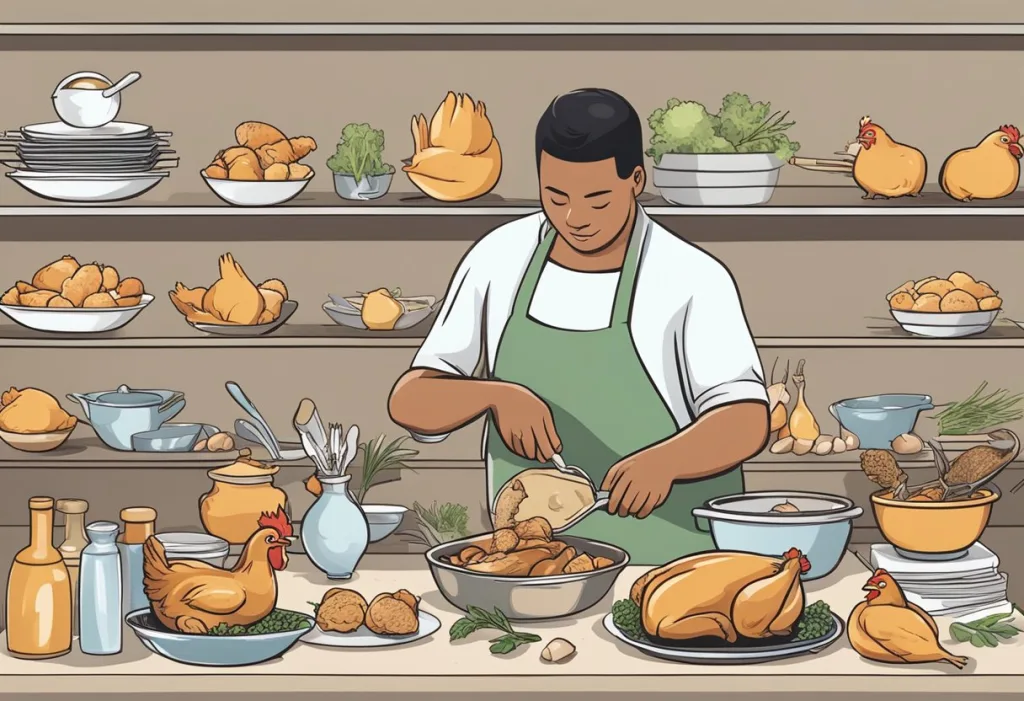
Selecting the appropriate chicken is essential for the desired outcome of the dish. One must consider the different types, how the chicken's state of preservation can affect cooking, and the impact of its rearing method on both flavor and texture.
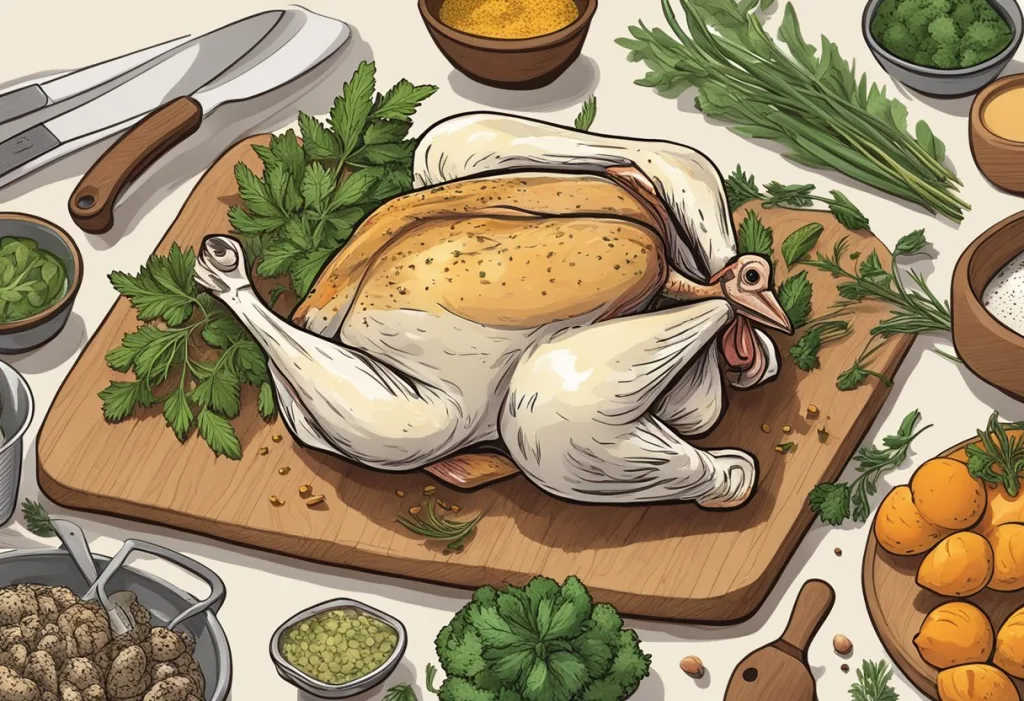
Before cooking chicken, proper preparation is essential to ensure safety and quality. This involves thawing frozen chicken safely, cleaning it thoroughly, and preparing it by trimming and slicing according to the recipe requirements.
One can thaw chicken using several safe methods. The refrigerator thawing method is the safest, as it keeps the chicken at a consistent, safe temperature. It requires planning ahead, as it can take a full day for the chicken to thaw, depending on its size. A quicker method is to thaw chicken in a sealed plastic bag submerged in cold water, changing the water every 30 minutes to ensure it remains cold. Lastly, microwave thawing is the fastest method, though one must cook the chicken immediately after thawing to prevent bacterial growth.
Upon thawing, they should rinse the chicken under cold water to remove any residual ice crystals or brine from the packaging. It's then important to pat the chicken dry with paper towels to remove excess moisture. This helps in achieving a better sear and preventing the spread of bacteria. One should also wash their hands before and after handling raw chicken to maintain kitchen hygiene.
The cook might need to trim excess fat or skin before cooking, which can be done using a sharp knife or kitchen shears. If recipes call for specific cuts, they can slice the chicken breast horizontally for cutlets or into strips for fajitas. Ensuring uniform size in slices or pieces will allow the chicken to cook evenly.

Proper seasoning and marination are critical for infusing chicken with flavor and ensuring a tender, juicy result. Each technique, from dry rubs to wet marinades and brining, plays a specific role in the cooking process.
A dry rub is a blend of spices and herbs that can be massaged onto the surface of the chicken. It forms a crust that adds depth of flavor and can help to seal in juices.
Example of a Basic Dry Rub:
Wet marinades typically combine acidic elements (such as lemon juice or vinegar), oil, and a variety of herbs and spices. This mixture not only flavors the chicken but also begins to tenderize the meat. Chicken should be submerged in the marinade and refrigerated for several hours to allow the flavors to penetrate.
Key Components of a Wet Marinade:
Brining involves soaking chicken in a solution of salt and often sugar, seasoned with aromatics. This technique helps to season the meat internally and retain moisture.
Basic Brine Ratio:
Note: It is essential to rinse the chicken after brining to avoid overly salty flavors.

When preparing chicken, one has several cooking methods to choose from, each providing a unique flavor and texture. Selecting the appropriate technique depends on the desired outcome and the type of cut being used.
Grilling imparts a smoky flavor to the chicken and creates a crisp outer layer with chargrilled marks. It's ideal for cuts like breasts, thighs, and drumsticks. Chicken should be grilled over medium-high heat until the internal temperature reaches 165°F.
Roasting involves cooking whole chickens or large cuts at a high temperature in the oven. This method yields tender meat with a golden, crispy skin. Whole chickens are typically roasted at 375°F for about 20 minutes per pound.
Baking is similar to roasting but usually refers to cooking smaller, individual parts or breaded chicken. Chicken parts are often baked at 350°F until fully cooked, which can vary based on size and thickness.
Boiling chicken is a quick method that ensures moist, tender meat. It is often done before shredding for dishes. Bone-in cuts lend more flavor to the broth and can be boiled until the meat easily separates from the bone.
Sautéing involves quickly cooking chicken in a small amount of oil over medium-high heat. It is excellent for thin cutlets or bite-sized pieces, allowing them to brown while keeping the inside moist.
Both deep-frying and pan-frying deliver a crunchy exterior and juicy interior. For deep-frying, battered chicken should be submerged in hot oil (typically 350°F) until golden brown. Pan-frying requires less oil, and breaded or seasoned chicken must be cooked until crispy on all sides.

Achieving perfectly cooked chicken involves more than just time on heat; careful attention to temperature, rest periods, and preparation for serving are crucial steps in the process.
To ensure chicken is cooked safely and to the proper doneness, one must rely on temperature, not color. Chicken is safe to consume when the internal temperature reaches 165°F (74°C). A digital meat thermometer inserted into the thickest part of the meat, without touching bone, is the most accurate method for checking.
After cooking, resting the chicken is a step that should not be overlooked. Let it rest for 5 to 10 minutes before cutting, as this allows the juices to redistribute. Covering the chicken loosely with foil during this time retains its heat.
Chicken is remarkably versatile and suits a variety of flavors and sides. Serve it plainly seasoned for a neutral addition to meals, or enrich it with spices and sauces for bolder flavors. When serving, the presentation can be enhanced by slicing the chicken against the grain or presenting it as a whole on a platter, garnished with fresh herbs.

When cooking chicken, it's essential to prioritize safety to prevent foodborne illness. This section outlines specific practices to ensure chicken is handled, cooked, and stored safely.
To prevent cross-contamination, one should always keep raw chicken separate from other ingredients. Use different cutting boards, knives, and surfaces for raw poultry and other foods. Additionally, always wash hands thoroughly with soap and water immediately after touching raw chicken.
Chicken needs to reach a safe internal temperature to eliminate harmful pathogens. The safe internal temperature is 165°F. A food thermometer should be used to check the temperature at the thickest part of the meat without touching the bone.
Proper storage is crucial for cooked chicken to remain safe for consumption. Cooked chicken should be refrigerated within two hours of cooking and eaten within three to four days. For reheating, ensure the chicken reaches 165°F before consuming to maintain food safety.

Exploring alternative cooking methods can unlock distinct flavors and textures in chicken dishes. These techniques often involve unique cooking environments and consistent, controlled temperatures, resulting in tender and juicy chicken.
In sous-vide cooking, chicken is vacuum-sealed in a bag and cooked in a water bath at a precisely controlled temperature. Pros: The chicken is evenly cooked and retains its moisture. Cons: Requires specialized equipment like a sous-vide circulator.
Slow cooking is a process where chicken is cooked at a low temperature for several hours. Pros: It allows flavors to meld and improves the tenderness of tougher cuts. Cons: It generally requires longer cooking times, which may not be ideal for quick meals.
Pressure cooking utilizes high pressure to cook chicken quickly while still infusing it with flavor. Pros: It considerably reduces cooking times while retaining nutrients. Cons: Overcooking can happen quickly, and it may require an initial investment in a quality pressure cooker.

When cooking chicken, accommodating special diets ensures that everyone can enjoy a meal suited to their health needs or dietary restrictions.
For gluten-free preparations, cooks should opt for natural, unprocessed chicken and use coatings or thickeners made from rice flour, cornstarch, or almond flour. Marinades and seasonings should be checked for hidden gluten, often found in soy sauce and other condiments.
To create low-sodium chicken dishes, it is essential to avoid pre-seasoned or brined chicken products. Instead, one can use fresh herbs and spices to enhance flavor without adding excess salt. Cooking methods such as baking, grilling, or steaming are preferable as they don't require additional sodium.
Vegetarian substitutes for chicken include products like tofu, seitan, or tempeh. These can be flavored with traditional chicken seasonings to mimic the taste. Key considerations include ensuring the substitutes provide adequate protein and are seasoned well to complement the accompanying dishes.

In this section, we address common queries related to chicken preparation to help ensure culinary success and safety.
To achieve moist chicken breasts, one should consider methods such as brining before cooking, using a meat thermometer to prevent overcooking, and employing techniques like sous-vide or poaching which favor low-temperature cooking.
When cooking chicken in an air fryer, it is helpful to pat the chicken dry and lightly coat it with oil for a crispy exterior. Preheat the air fryer and cook the chicken at a temperature around 360°F to 400°F, flipping halfway through cooking.
Chicken thighs should typically be baked at 425°F for about 25 to 30 minutes if they're boneless and skinless. For bone-in thighs, they require a longer cooking time, usually around 35 to 45 minutes to ensure they reach an internal temperature of 165°F.
Oven cooking times vary, but generally, boneless chicken breasts should be cooked at 375°F for about 25 to 30 minutes, while bone-in breasts require about 40 to 50 minutes. A whole chicken needs approximately 90 minutes at 425°F.
To cook chicken with water on the stove, start by placing the chicken in a suitable pot and fill with water to cover it by an inch. Bring to a low simmer and cook until the chicken reaches an internal temperature of 165°F, usually taking 10 to 15 minutes for breasts and a bit longer for thighs.
Beginners should start with properly thawing the chicken if frozen, then drying it and seasoning as desired. Cooking should be done to an internal temperature of 165°F to ensure safety, and rest time is important for maintaining juiciness before serving.
