
Cooking rice is a fundamental culinary skill that paves the way for a variety of dishes, from simple comfort foods to elaborate international cuisines. Mastering the correct techniques can lead to consistently fluffy and flavorful rice, a staple for billions of people worldwide. Each variety of rice, whether short-grain, medium-grain, or long-grain, has its unique characteristics and uses, making it versatile for countless recipes.
The key to cooking rice perfectly begins with understanding the different preparation methods and the right equipment. While a rice cooker can be a convenient appliance for many, mastering the stovetop method is equally valuable. Using the correct pot with a tight-fitting lid and measuring the water-to-rice ratio accurately are crucial steps. Ensuring the rice is cooked at the appropriate temperature for the right amount of time can prevent common issues such as undercooked, overcooked, or sticky rice.
Learn more about the basics with our How to cook series now!

Rice varieties differ in texture, flavor, and culinary uses. The following subsections provide a focused look at three major categories: white, brown, and specialty rices.
White rice is the most commonly consumed type of rice. Its grains are polished, removing the husk, bran, and germ, which results in a lighter texture and faster cooking time. White rice comes in several grain sizes:
Brown rice is a whole grain, as only the husk is removed during the milling process. It retains the bran and germ, providing more fiber and a nuttier flavor than white rice. Brown rice also requires a longer cooking time and more water. It's widely regarded as a healthier option due to its higher nutrient content. It typically comes in long, medium, and short-grain varieties, similar to white rice.
Specialty rices include varieties that do not fit neatly into the white or brown categories and often have unique properties:
Each type has a specific culinary role, influenced by its texture, aroma, and flavor profile.

In the process of cooking rice, having the right tools and equipment can ensure consistency and ease. The key elements involve selecting a suitable pot and using accurate measurements for rice and water.
The choice of pot is essential for cooking rice. One should opt for a heavy-bottomed pot that distributes heat evenly. This prevents scorching at the bottom. The pot should come with a tight-fitting lid to retain steam and enable rice to cook properly. For those preferring technology, a rice cooker can be a convenient alternative that automates the cooking process.
Accurate measurements are crucial for the rice-to-water ratio, which is generally 1 part rice to 2 parts water. One should utilize measuring cups for rice and water to achieve the desired texture.
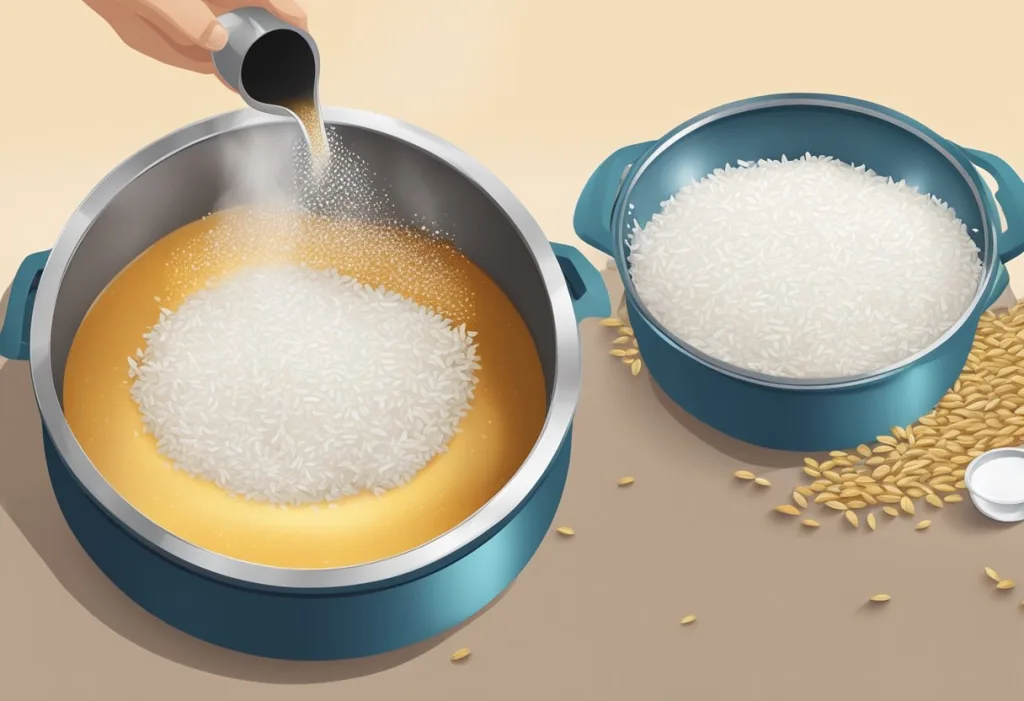
Cooking rice successfully hinges on understanding the importance of rice-to-water ratios, proper rice preparation, and cooking technique. Each step is critical for achieving fluffy, tender rice.
Before cooking, rice should be rinsed to remove excess starch. This prevents stickiness and ensures individual grains remain separate after cooking. Place the rice in a strainer or bowl, run cold water over it until clear, and then drain.
The ratio of water to rice is crucial. A common ratio is:
It's important to adjust these ratios depending on the rice type.
To cook rice on the stove, follow these steps:
After cooking, let the rice sit covered for 5-10 minutes off the heat. This allows the rice to finish cooking in its steam. Then, using a fork, gently fluff the rice to separate the grains before serving.

When preparing rice, one can choose from several cooking methods beyond the traditional stovetop approach. Each alternative offers convenience or unique textural benefits that may suit different preferences or available kitchen equipment.
A rice cooker is a convenient appliance designed to cook rice with minimal monitoring. To use a rice cooker:
The Instant Pot, a multifunctional pressure cooker, is highly efficient for cooking rice. To make rice in an Instant Pot:
Oven-baking is an alternative method that requires minimal attention during cooking. The key steps are:

Cooking rice can be straightforward, but it's often the small details that can make or break the final product. Understanding common issues and their solutions ensures fluffy, well-cooked rice every time.
To prevent overcooked rice, it's essential to use the correct water-to-rice ratio; typically, this is 2:1 for white rice. One should simmer the rice on low heat and avoid lifting the lid, which releases steam and can alter cooking time.
If rice is undercooked, adding a small amount of water and continuing to cook it covered on low heat can help. Ensure the lid is tight to retain steam, which finishes the cooking process and achieves the desired tenderness.
Sticky rice often results from excess starch on the surface of the grains. Rinse the rice in cold water until the water runs clear before cooking. Also, using long-grain rice like Basmati or Jasmine can naturally result in less sticky rice after cooking due to their lower starch content.
In the event rice burns at the bottom of the pot, one should transfer the unburnt portion to another container immediately. For slightly scorched rice, removing it from the heat and placing the pot on a wet towel can help stop the cooking process and prevent further burning.

Enhancing the flavor of rice transforms it from a simple side dish to a memorable part of a meal. The addition of seasonings or cooking in broth can infuse rice with an array of flavors to complement various cuisines.
When seeking to add a taste dimension to plain rice, one's pantry can be a treasure trove. Here are some specific seasoning combinations that can be stirred into cooked rice or added during the cooking process:
Simple Seasonings:
Herbs and Spices:
Aromatic Vegetables:
Using light or unsalted butter is recommended to prevent the rice from becoming too greasy, and herbs should be added fresh for the best flavor.
Another effective method for flavoring rice is to cook it in broth rather than water.
Type of Broth:
For cooks looking to reduce sodium, low-sodium broths are an excellent choice. Additionally, using a broth as the cooking liquid imbues every grain with a delightful savoriness that water alone cannot achieve.

To maintain the quality and safety of cooked rice, one must adhere to specific storage standards and reheating procedures.
Storing cooked rice properly is crucial to prevent foodborne illness and preserve its quality. Cooked rice should be cooled rapidly and not left out at room temperature for more than one hour to avoid bacterial growth. It should then be stored at 40°F or below, which can typically be achieved in a refrigerator. For optimal results, rice should be placed in an airtight container or resealable plastic bag to maintain freshness and prevent contamination or odors from other foods.
Key Tips:
When reheating rice, it's important to ensure that it's heated to 165°F throughout to kill any potential bacteria. The rice can be reheated in several ways, with the microwave being a quick option. Add a tablespoon or two of water for each cup of rice and cover with a damp paper towel to reintroduce moisture. Stir the rice occasionally to promote even heating. Alternatively, rice can be steamed on the stovetop or stir-fried in a wok, which can restore its texture and flavor.
Microwave Method:
Stovetop Method:

Cooking rice may seem simple, but it often leads to numerous questions. This section aims to address some of the most common inquiries.
The standard water-to-rice ratio is 2:1, meaning 2 cups of water for every cup of rice. This ratio ensures fluffy and well-cooked rice. However, some varieties may require slight adjustments.
To cook rice on the stove, begin by rinsing the rice to remove excess starch. Then, combine rice with the appropriate ratio of water in a saucepan, bring to a boil, and reduce to a simmer. Cover and cook until the water is absorbed and the rice is tender.
Using a rice cooker simplifies the process. Measure the rice and water according to the cooker's instructions, rinse the rice if necessary, then place it in the cooker. With the push of a button, the machine will cook the rice and switch to 'keep warm' when done.
Cooking rice in a microwave usually takes about 18 to 20 minutes. Use a microwave-safe dish and cover the rice with a lid or microwave-safe cover. The time may vary slightly depending on the microwave's wattage and the type of rice.
For cooking rice the Asian way, rinse the rice grains several times until the water runs clear. Then, let the rice soak for 30 minutes before cooking. Use a tight-lidded pot to bring it to a boil, then simmer it on low heat until the rice is soft.
Rice is done when all the water is absorbed, the grains are plump, and it's soft to the bite. There should be no hard or raw center when you sample a grain. If the rice is still firm, it may need a few more minutes.
