
Pizza has transcended its humble origins in Naples to become a global phenomenon, reflecting the tastes and culinary practices of countless cultures. From the classic hand-tossed Neapolitan to the deep-dish delight that is Chicago-style, each type of pizza offers a unique flavor profile and eating experience. Understanding the diversity of pizza types is essential for both the casual diner and the culinary enthusiast alike, as it highlights the variety of dough, sauces, cheeses, and toppings that can be used to create this universally loved dish. As one of the most eaten dishes in the world - Pizza should be something every chef can throw together!
This guide takes the reader through the vibrant world of pizza, exploring the intricacies that define its many forms. Whether it's the thin, crisp crusts beloved in New York, the deep-dish recipes that characterize Chicago, or the exotic toppings found on a Chicken Tikka Masala pizza; understanding the types, preparation methods, and regional influences offers a glimpse into the reasons behind its global popularity. With a myriad of cheeses to choose from, a spectrum of sauces to spread, and a garden of toppings to scatter, creating the perfect pizza is an art that blends tradition with innovation.


The roots of pizza trace back to ancient civilizations where variations of flatbreads with toppings were common. This precursor to modern pizza could be seen in the culinary habits of the Ancient Greeks, Egyptians, and Romans, who enjoyed flatbreads adorned with oils, spices, and other toppings.
In Naples, Italy, the transformation of pizza into what is recognized today began in earnest. Initially a meal for the poor, these flatbreads were convenient and easy to eat for those who had little time or money. By the 18th century, the dish had gained popularity and pushcart vendors sold pizza in the streets of Naples. It was here that pizza began to take on its modern form.
The pivotal year in pizza's history is often cited as 1889 when chef Raffaele Esposito reportedly created a pizza to honor the visit of King Umberto I and Queen Margherita of Savoy. He topped it with tomato, mozzarella, and basil, to represent the colors of the Italian flag.
Throughout the 20th century, pizza's popularity spread globally, largely due to Italian immigrants introducing their traditional cuisine. America embraced pizza, giving rise to new and diverse styles, including the deep dish of Chicago and the classic New York slice.
Today, pizza is a universal food loved in various forms and styles. From thin-crust to thick, from minimalist Margherita to overloaded supreme, pizza continues to evolve, reflecting the tastes and creative innovations of cooks around the world.
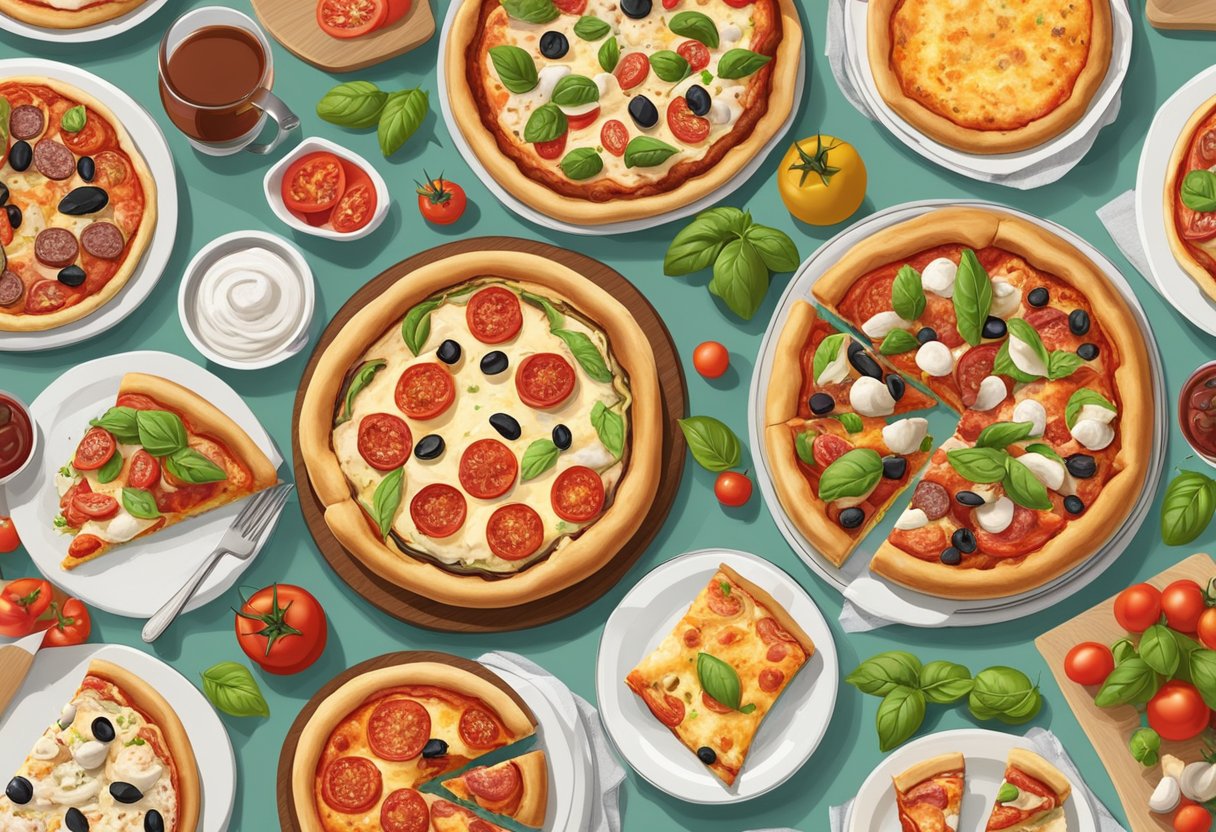
The diversity of pizzas spans across regional specialties and novel culinary craftsmanship. Here, the focus is on distinctive types of pizza, each with a unique dough treatment, preparation method, and topping selection.
Originating from Naples, Italy, Neapolitan pizza features a dough made from refined flour, topped with a simple layer of tomato sauce, fresh mozzarella cheese, a sprinkle of basil, and occasionally a drizzle of olive oil. It's traditionally baked in a blisteringly hot oven at around 900 degrees Fahrenheit for 90 seconds, yielding a soft, chewy crust with a light char.
Contrasting to Neapolitan, Chicago deep dish pizza is known for its high-edged, thick crust which allows for a generous layer of toppings. It's baked in a round steel pan, giving it the characteristic 'pie-like' structure with layers of cheese, meat, vegetables, and sauce on top.
Characterized by its large, foldable slices and crispy outer crust, New York-Style pizza features a light layer of tomato sauce and is generously topped with mozzarella cheese. The slices are often eaten on-the-go, making it a staple of New York city's fast-paced lifestyle.
Sicilian pizza, or "sfincione," presents a thick, bread-like crust, rectangular shape, and is traditionally topped with a rich tomato sauce, onions, herbs, and anchovies. It's commonly associated with the use of a sheet pan for baking, resulting in a sponge-like consistency.
Greek pizza differentiates itself with a chewy crust due to being cooked in a shallow, oiled pan, giving it a nearly fried bottom. Typically, it's topped with a hearty tomato sauce, various cheeses including mozzarella and feta, and can include a variety of Greek ingredients such as olives and feta cheese.
Lastly, California pizza is known for its creative and non-traditional toppings that blend culinary influences from various cuisines. A thin crust serves as a canvas for ingredients like goat cheese, truffles, or artichokes, making it a testament to innovation in pizza.
Pizza dough is the foundation of any pizza, coming in various styles and ingredients to suit different tastes and dietary requirements. The choice of dough can greatly influence the texture, flavor, and nutritional content of the pizza.
The most common pizza dough is made from simple ingredients: flour, water, yeast, and salt. Olive oil is often added for flavor and to soften the texture. New York-style and Neapolitan-style pizzas are iconic examples that use traditional wheat doughs. The former is known for its thin, crisp crust, while the latter boasts a tender, blistered edge with a chewy center.
For those with gluten sensitivities, gluten-free pizza dough options are available, using various flour substitutes such as rice flour, almond flour, or commercial gluten-free blends. The Food Network suggests a myriad of recipes that cater to this need, ensuring that the pizza experience is not compromised.
Whole wheat and multigrain doughs offer a more nutritious alternative to the traditional white flour dough, incorporating whole wheat flour or a mixture of grains. Damn Delicious provides instructions for making a whole wheat dough that results in a crust with a nuttier flavor and denser texture.
The right sauce and cheese form the foundation of any memorable pizza, offering a range of flavors from classic to innovative. Each sauce has distinct ingredients and preparation that complement different toppings, while cheese adds the essential melt and richness.
Tomato sauce is the quintessential pizza base, known for its bright acidity and rich tomato flavor. It's made with quality tomatoes, garlic, herbs like oregano and basil, and a touch of olive oil. A simple, yet well-crafted tomato sauce can elevate the pizza by balancing sweet, tangy, and savory notes.
Beyond the classic tomato, white sauce offers a creamy alternative, typically made from butter, cream, garlic, and herbs. Its velvety consistency complements lighter toppings and adds a rich dimension to the pizza.
Other varieties can range from the tang of buffalo sauce to the nuttiness of Alfredo sauce, expanding the flavor profile of pizzas.
Mozzarella is the classic choice for pizza cheese, prized for its excellent melting quality and mild, milky flavor. It's commonly used in its fresh or low-moisture form.
However, chefs often incorporate other cheeses such as Provolone, Cheddar, or Feta to add complexity and depth. Combinations can create nuanced flavors and textures, making each bite unique.
The variety and combination of toppings are what make pizzas a universal favorite. This section breaks down popular pizza toppings and flavors into meat, vegetarian, and deluxe combinations for any palate or preference.
Meat toppings are a classic choice for many pizza lovers. They add a rich, savory flavor to each slice. Common options include:
Each meat brings its own distinct flavor and texture to the pizza, satisfying those who crave a protein-rich topping.
Vegetarian toppings have a broad appeal due to their fresh flavors and healthier profile. Popular choices consist of:
These toppings cater to those seeking a lighter pizza option while still being flavorful.
Deluxe combinations are for those seeking an indulgent experience, often a mix of meat and vegetables. Some favored combos include:
Deluxe pizzas often feature multiple toppings for a more complex flavor profile, catering to those who want the best of both worlds.
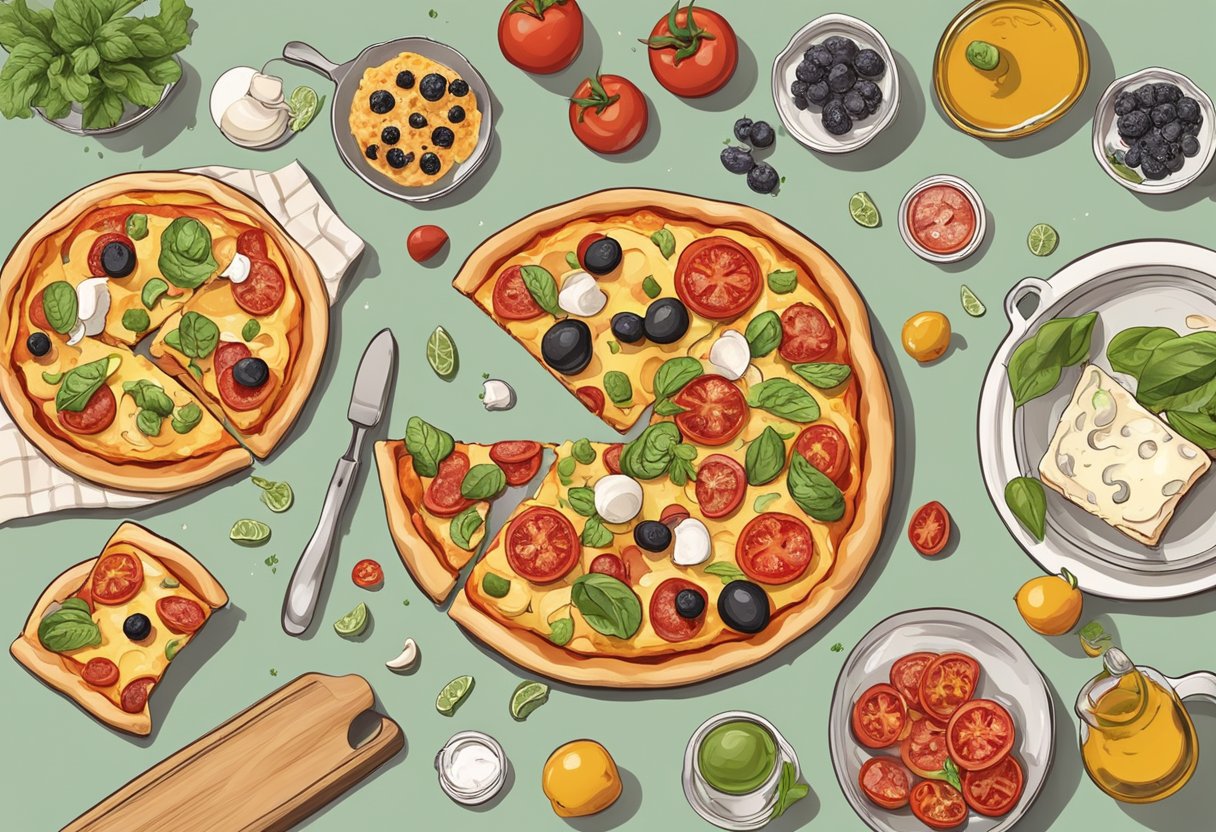
The ability to master different cooking techniques dictates the texture, flavor, and quality of homemade pizza. Each technique offers a unique result, appealing to various preferences and available equipment.
Wood-fired ovens grant pizzas a distinctive, smoky flavor and a charred, bubbly crust that is hard to replicate with other methods. They reach high temperatures (up to 800ºF or higher) which allows for a rapid rise in dough, ensuring a crispy and airy crust. Here's a quick rundown of the key aspects:
Home ovens may not provide the extreme heat of wood-fired ovens, but with a pizza stone, pizzas attain a crisp crust and well-cooked toppings. Preheating the stone is crucial to mimicking the cooking conditions of a professional oven.
Grilling pizza yields a delightful char and a smoky essence that is different from the wood oven's flavor. A grill, especially when covered, can create a similar high-heat environment that's excellent for pizza baking.
Discovering the perfect pizza recipe can transform your home into a personal pizzeria. Whether you're in the mood for a classic Margherita or looking to indulge in a savory BBQ Chicken concoction, the following recipes offer a gourmet twist on these beloved favorites.
A Margherita Pizza epitomizes simplicity and taste. It's traditionally topped with san marzano tomatoes, fresh mozzarella, basil leaves, and a drizzle of extra-virgin olive oil. Bake until the cheese is bubbling and the crust is golden brown.
Pepperoni Pizza remains a crowd favorite with its bold flavor and hearty toppings. Place slices of pepperoni over a bed of melty mozzarella cheese and rich tomato sauce. For extra zest, sprinkle on some red pepper flakes before serving.
A Vegetarian Pizza bursts with the flavors of garden-fresh produce. Top your pizza with a colorful array of bell peppers, onions, mushrooms, and black olives. Add sliced tomatoes and spinach for a nutritious twist.
For a tangy alternative, try BBQ Chicken Pizza. Combine shredded chicken with smoky barbecue sauce, red onions, and mozzarella and cheddar cheeses. After baking, a garnish of chopped cilantro will enhance the smoky taste.
To craft your own pizza masterpiece, consider the balance of flavors and textures. Use a preheated pizza stone for a crispier crust, and don't overload the dough; it ensures even cooking and prevents sogginess. Experiment with different cheeses and sauces to find your signature style.

This section addresses common inquiries regarding pizza styles, recipes, and pizza-making techniques, providing factual and useful responses for both novices and aficionados.
The primary pizza styles include Neapolitan, Sicilian, New York, Chicago deep-dish, Detroit-style, and California-style. Each varies in crust thickness, baking methods, and regional toppings.
Authentic Neapolitan pizza requires a wood-fired oven, high-protein 00 flour, fresh yeast, San Marzano tomatoes, mozzarella di bufala, salt, and water. The dough is hand-kneaded and the pizza cooked at a high temperature for a short period.
A traditional pizza recipe for home cooking involves preparing a dough with flour, water, yeast, and salt. Top with a simple tomato sauce, mozzarella cheese, and fresh basil before baking in a preheated oven.
Artisan pizzas are typically made with high-quality, fresh ingredients and are handcrafted, with attention to authenticity and flavor. Commercial pizzas often prioritize consistency and convenience, using pre-made ingredients and faster cooking methods.
Books like "The Pizza Bible" by Tony Gemignani and "American Pie" by Peter Reinhart are renowned for their comprehensive coverage of techniques, styles, and recipes from a professional perspective.
Modern pizza styles have adapted traditional methods to contemporary tastes and technologies, incorporating global flavors, alternative grains, and creative toppings while honoring original baking techniques and philosophies.
