
The humble sandwich is a global staple, a versatile meal that can cater to a wide array of tastes and dietary needs. Its origin dating back to the 18th century has transformed into a canvas for creativity and cultural expression in the culinary world. From simple buttered bread with a filling to elaborate stacks with diverse flavors, sandwiches offer an expansive range of choices that can serve as a handheld snack or a hearty meal. Whether utilizing leftovers or concocting a gourmet creation, the art of sandwich-making reflects both tradition and innovation.

One of the beauties of sandwiches is the freedom they offer in terms of ingredients and preparation. Choices in bread—from the crispness of a baguette to the softness of white loaf—serve as the foundation, while an endless variety of fillings allows for customization to personal tastes or nutritional preferences. Sandwiches can be a resourceful way to create new meals from available ingredients, and modern twists on classic recipes mean that there is always something new to try. Moreover, with health-conscious options and techniques continually evolving, there are alternatives to fit every lifestyle, from calorie-counted servings to plant-based diets.
Understanding the proper techniques for sandwich-making can significantly enhance the experience, both in terms of preparation and consumption. Preserving freshness and ensuring the sandwich remains delectable, whether packed for travel or stored for later use, is an art of its own. Additionally, savvy pairing with appropriate sides and condiments can elevate the simple sandwich to a well-rounded dining experience, suitable for any occasion.
The sandwich, as it is known today, is a concept that essentially involves placing ingredients between pieces of bread. This culinary innovation is often associated with John Montagu, the 4th Earl of Sandwich, who is said to have ordered meat tucked between two pieces of bread to avoid interrupting his gambling game in the 18th century.
In the United States, sandwiches began to evolve with unique variations. A notable milestone in sandwich history is the appearance of the club sandwich. References suggest that as early as 1889, a Union Club sandwich comprising turkey or ham on toast was known. The style became famous at the Saratoga Club-House around 1894.
*Another iconic sandwich is the corned beef Reuben, which showcases the creativity of American sandwich recipes with its combination of corned beef, Swiss cheese, sauerkraut, and Russian dressing.
Owing largely to the advent of pre-sliced bread by Otto Rohwedder in the 1920s, sandwiches became an even more convenient meal choice. This invention significantly impacted everyday life, simplifying sandwich-making and popularizing them as a staple in American households.
As these examples illustrate, sandwiches have evolved over time, incorporating various ingredients and reflecting cultural influences. Their history speaks to a simple yet powerful culinary format that adapts and thrives across different regions and societies.
Exploring the vast world of sandwiches, one encounters a variety of flavors, textures, and cultural influences. This section categorizes different types of sandwiches, encompassing classic combinations, international delicacies, open-faced delights, bite-sized treats, and gourmet creations.
Classic sandwiches are time-honored favorites renowned for their simplicity and satisfying flavors. The Turkey Focaccia Club typically involves layers of turkey, cheese, bacon, and a spread of condiments like mayonnaise and mustard. The BLT is another staple, with the essential components of bacon, lettuce, and tomato.
Sandwiches have unique variations worldwide, often reflecting local cuisines. The Philly Cheesesteak is an American rendition, loaded with thinly sliced steak and melted cheese. The Caprese Sandwich channels Italian flavors with buffalo mozzarella, tomatoes, basil, and balsamic.
Open-faced sandwiches offer a twist by forgoing the top slice of bread, which showcases the ingredients. Common varieties include toppings like smoked salmon, cream cheese, and fresh herbs, or a classic Turkey with Cranberry Sauce during the holiday season.
Finger sandwiches are perfect for social gatherings where ease of eating is crucial. They are often crustless with fillings like cucumber, egg salad, or smoked salmon. These sandwiches are small, allowing for a variety of options to be enjoyed at once.
Gourmet sandwiches elevate the sandwich experience with high-quality ingredients and unique combinations. Examples include sandwiches with artisan bread, specialty meats like brisket, and gourmet cheeses, filled with layers of complex flavors that are both refined and delicious.
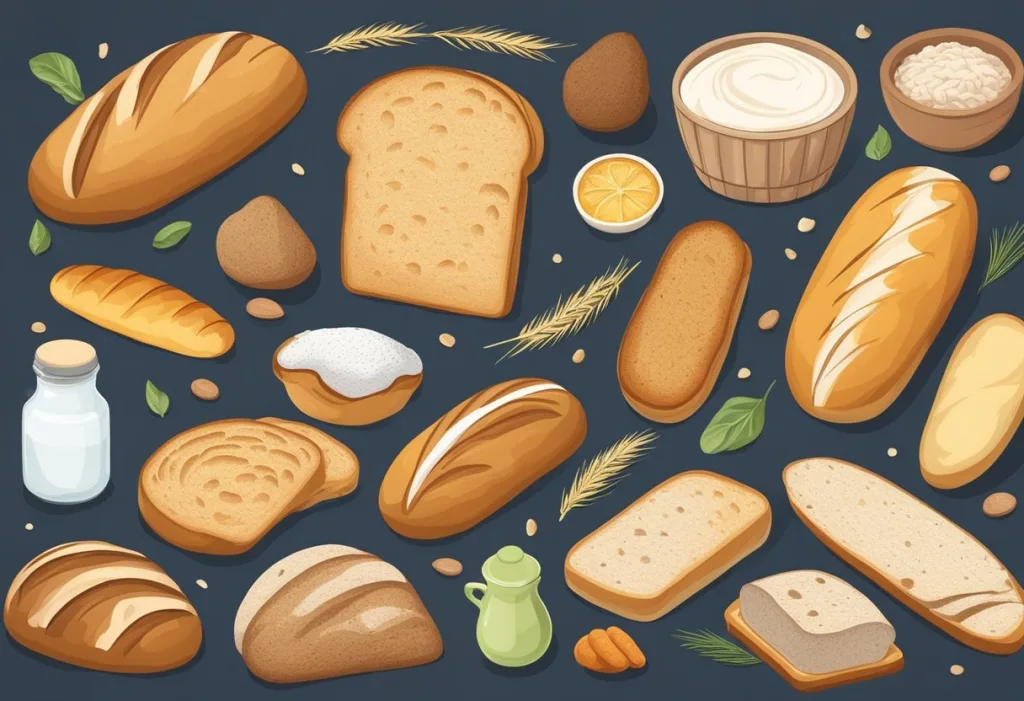
Choosing the right type of bread is crucial for constructing the perfect sandwich. Each variety brings a different texture, flavor, and structural integrity to the table, greatly affecting the overall eating experience.
White Bread: A cornerstone for many classic sandwiches, white bread is known for its soft texture and mild taste. It's typically made from wheat flour that has had the bran and germ removed, resulting in its light color and fluffy consistency. This type of bread pairs well with a wide array of fillings, from peanut butter and jelly to ham and cheese.
Whole Wheat Bread: For a healthier option, whole wheat bread includes the entire wheat kernel—bran, germ, and endosperm. It offers a denser texture and a nuttier flavor compared to white bread. Due to its higher fiber content, it is a more nutritious option.
Sourdough Bread: Distinguished by its tangy flavor, sourdough is made through a fermentation process that relies on natural yeasts and lactobacilli. Its chewy texture and robust crust make it ideal for holding up to juicier or heavier sandwich ingredients without falling apart.
Rye Bread: Rye bread, often darker in color with a distinct flavor derived from rye flour, can range from light to heavy, depending on the proportion of rye to wheat flour. Caraway seeds are frequently added, offering additional flavor that pairs famously with corned beef for a traditional Reuben sandwich.
Artisan Breads: These breads are handcrafted with high-quality ingredients and traditional baking methods, often resulting in a more complex flavor profile and sturdier structure. Baguettes and ciabatta are prominent examples known for their crusty exterior and airy interior.
Specialty Breads: This category encompasses breads with unique ingredients, such as olives, nuts, dried fruits, or grains like spelt or quinoa. They not only contribute distinct flavors but also textures that can elevate a sandwich from ordinary to extraordinary.
The heart of any sandwich lies in its fillings. From classic meats to diverse vegetarian options, the choice of fillings dictates the sandwich's flavor profile and appeal.
Meat fillings are a staple in many sandwiches, providing rich flavors and proteins. Ham and Swiss sliders are a popular variation, often enhanced with a sweet and tangy glaze. Roast beef, turkey, and chicken are also common, with recipes such as the classic Reuben sandwich showcasing corned beef with sauerkraut.
Seafood offers a lighter, yet equally satisfying filling for sandwiches. Options include tuna which can be mixed into a spread with capers, or salmon, which pairs well with scrambled eggs on a bagel.
Sandwiches can be delicious without meat or animal products. Avocado adds creaminess, while sprouts offer a crunch. Vegetarian sandwiches can also include slices of buffalo mozzarella, fresh tomatoes, and basil. For vegan options, homemade hummus or veggie patties make for hearty fillings.
Cheese can transform a sandwich with its meltiness and flavor. From sharp cheddar to creamy brie, there's a wide variety to choose from. Cheese is the star in sandwiches like the melty grilled cheese or the Italian-inspired caprese.
The right condiment or sauce can elevate a sandwich from good to great. Spreads like mayonnaise, mustard, horseradish, or balsamic vinegar can add moisture and a burst of flavor. Other recipes might call for a custom sauce, mixing ingredients such as brown sugar and poppy seeds for a unique glaze.
Making healthy sandwich choices involves focusing on incorporating nutrient-dense ingredients, controlling portion sizes, and being mindful of caloric intake.
Low-calorie sandwiches are great for those looking to enjoy a lighter meal. Turkey and Berry Sandwich: Opt for lean meats like turkey and add fresh strawberries for a touch of sweetness without the excess calories. Use a light cream cheese spread and choose whole-grain bread to increase dietary fiber.
High-protein, low-carb sandwiches support muscle maintenance and can help in weight management. Grilled Chicken Spinach Wrap: Fill a low-carb tortilla with grilled chicken, spinach, and a slice of low-fat cheese. Another option is a Tuna Salad Lettuce Wrap, using lettuce leaves in place of bread and mixing tuna with Greek yogurt instead of mayonnaise.
Gluten-free sandwiches cater to those with gluten sensitivities or celiac disease. Use gluten-free bread options or turn to naturally gluten-free alternatives like Corn Tortilla Quesadillas stuffed with beans and vegetables. A BLT Salad Bowl with layers of bacon, lettuce, tomato, and avocado also provides a gluten-free sandwich experience without the bread.
Salad sandwiches are a refreshing choice, often incorporating a mix of veggies or fruit. Chickpea Salad Sandwich: Mash chickpeas and mix with a light dressing, adding diced celery and carrots for crunch. Serve it on a hearty multi-grain bread or stuffed in a pita. Avocado Egg Salad is another option, using ripe avocados in place of mayonnaise with hard-boiled eggs, served on whole-grain toast.

Mastering sandwich-making techniques can elevate a simple meal into a gourmet experience. The key lies in understanding how to grill, layer, and roll ingredients to enhance both flavor and texture.
Grilling or toasting bread adds a delightful crispness and can prevent sogginess. A panini press is ideal for grilling sandwiches uniformly, but a skillet can also be effective for toasting bread. One should always monitor the heat to prevent burning, aiming for a golden-brown crust.
A thoughtfully constructed sandwich considers the interplay of flavors and textures. Moisture barriers, like a light spread of mayonnaise or mustard on each slice of bread, can prevent bread from becoming soggy. Cheeses and meats should be layered evenly while crisp vegetables like lettuce or cucumber add a crunchy contrast.
Proper spread application:
Wraps offer a handheld alternative to traditional sandwiches. They should be tightly rolled to ensure structural integrity and even distribution of ingredients. Start with a large, pliable tortilla or flatbread, add fillings off-center, and then fold the bottom up before rolling from the side.
Steps for rolling a wrap:

Sandwiches are versatile and can be tailored to fit a variety of occasions, from casual to sophisticated. They offer an excellent opportunity for pairing with various drinks that can enhance the overall dining experience.
For picnics and casual gatherings, sandwiches like Philly Cheesesteaks or Turkey Focaccia Clubs are ideal as they are filling and easy to eat without utensils. These can be complemented with:
Elegant tea sandwiches, such as those with smoked turkey and brie or shaved Parmigiano-Reggiano cheese with crisp apple slices, are perfect for afternoon tea or special occasions. Pair these dainty sandwiches with:
In lunch boxes, variety is key. Sandwiches like the versatile egg salad sandwich or hummus, veggie, and goat cheese sandwich provide nutrition and taste. Include:
Sandwiches can be elevated with the right wine pairing. For instance, pair a classic grilled cheese sandwich with a glass of:

Preserving and storing sandwiches effectively involves several methods to maintain freshness and flavor. Proper sandwich storage can prevent bacterial growth, and it ensures that sandwiches remain appetizing longer.
Refrigeration is key for most sandwich ingredients. Deli meats such as turkey and ham should be stored in the refrigerator. They typically stay fresh when kept tightly wrapped or in a resealable bag for up to 3-4 days.
For the bread, it's best to keep it at room temperature in a bread box or in a cool, dry place. Sandwiches with condiments or moist fillings should be consumed within a day to prevent sogginess. For longer storage, one might consider keeping the bread separate from the fillings.
Here’s a concise table for quick reference:
| Ingredient | Storage Method | Shelf Life |
|---|---|---|
| Bread | Cool, dry place | 2-3 days |
| Deli Meats | Refrigerator, tightly wrapped | 3-4 days |
| Moist Fillings | Separate container in refrigerator | 1-2 days |
When packing sandwiches for later consumption, protect them from becoming soggy by placing condiments between layers of meat or cheese rather than directly on the bread. Lettuce and other greens should be dried before adding to prevent additional moisture.
Lastly, sandwiches with chicken, egg, or tuna salads should be kept in a cold environment, like a refrigerator or a cooler with ice packs, until ready to be eaten to keep them from spoiling.
This collection showcases a variety of sandwich recipes, from the simplicity of a breakfast bite to the indulgence of a dessert sandwich, each designed to satisfy different mealtime cravings.

This section addresses some common queries about sandwich recipes, varieties, essential ingredients, global popularity, categorical distinctions, and favored fillings.
The Ham and Swiss Sliders and the Philly Cheesesteak are among the top sandwich recipes. They include specific ingredients like slider-sized buns, ham, Swiss cheese, and a glaze for the former, and thinly sliced steak, melted provolone, onions, and hoagie rolls for the latter. Preparation involves layering ingredients on the buns and grilling or baking for the sliders, and sautéing steak and onions followed by assembling on the rolls for the cheesesteak.
Traditional cold sandwiches include the Egg Salad Sandwich, which is often made with chopped boiled eggs, mayonnaise, mustard, and spices. Additionally, sandwiches like the classic Chicken Salad or a simple Ham and Cheese are frequently enjoyed cold, especially for picnics or lunches.
Essential sandwich ingredients include quality breads such as sourdough, rye, or whole-grain, an array of proteins like chicken, ham, steak, or tofu, and a variety of cheeses from Swiss to cheddar. Fresh vegetables like lettuce, tomatoes, and cucumbers, and condiments including mustard, mayonnaise, and specialty spreads are also key for a diverse sandwich selection.
Among the most popular global sandwiches are the Philly Cheesesteak from the United States, Croque Monsieur from France, Banh Mi from Vietnam, Cubano from Cuba, Reuben from the United States, Panino from Italy, Shawarma from the Middle East, Torta from Mexico, BLT from the United States, and Smørrebrød from Denmark.
The seven principal categories of sandwiches include the classic two-piece sandwich, open-faced sandwiches, wraps and rolls, paninis and grilled sandwiches, sliders, club sandwiches, and regional specialty sandwiches that embody local flavors and traditions.
Favored filling combinations often include classic pairings like peanut butter and jelly, bacon, lettuce, and tomato (BLT), and exotic mixes such as avocado with sprouts and a yogurt-based green goddess dressing. More substantial combinations might be steak, onions, and provolone for a Philly Cheesesteak, or corned beef, sauerkraut, and Swiss cheese for a Reuben.
