
Cuisine is a complex tapestry woven with the threads of technique, tradition, and the artistry of those who prepare food. The basics of culinary arts serve as a gateway to understanding this rich world, bridging the gap between the uninitiated and the flavors that define cultures and regions. Culinary arts encompass much more than the mere action of cooking; it's an exploration of the diverse ingredients, techniques, and dishes that emerge from various corners of the globe. From the history that shaped each cuisine to the nutritional principles guiding today’s food choices, the foundation of the culinary arts provides a framework for appreciating and creating gastronomic experiences.
At the heart of culinary arts lie the essential cooking techniques that every aspiring chef must master. These techniques range from simple frying to complex methods like braising, each lending a distinct texture and flavor to the foods being prepared. As the industry continues to evolve, understanding these methods is as critical as staying informed about the latest trends, including the shift towards sustainability and mindful cooking. Alongside technique, recipe development is a creative process where chefs innovate and infuse personal flair into traditional dishes.
World cuisines offer a kaleidoscope of tastes and ceremonies, each a reflection of the place and people from which they originate. The food industry is vast and encompasses an array of careers, from the heat of the professional kitchen to the boardrooms where food products are marketed. Understanding this industry is pivotal for those who dream of a career in food, as much as grasping the importance of sustainability in the culinary world for ensuring the future of food security and environmental health.


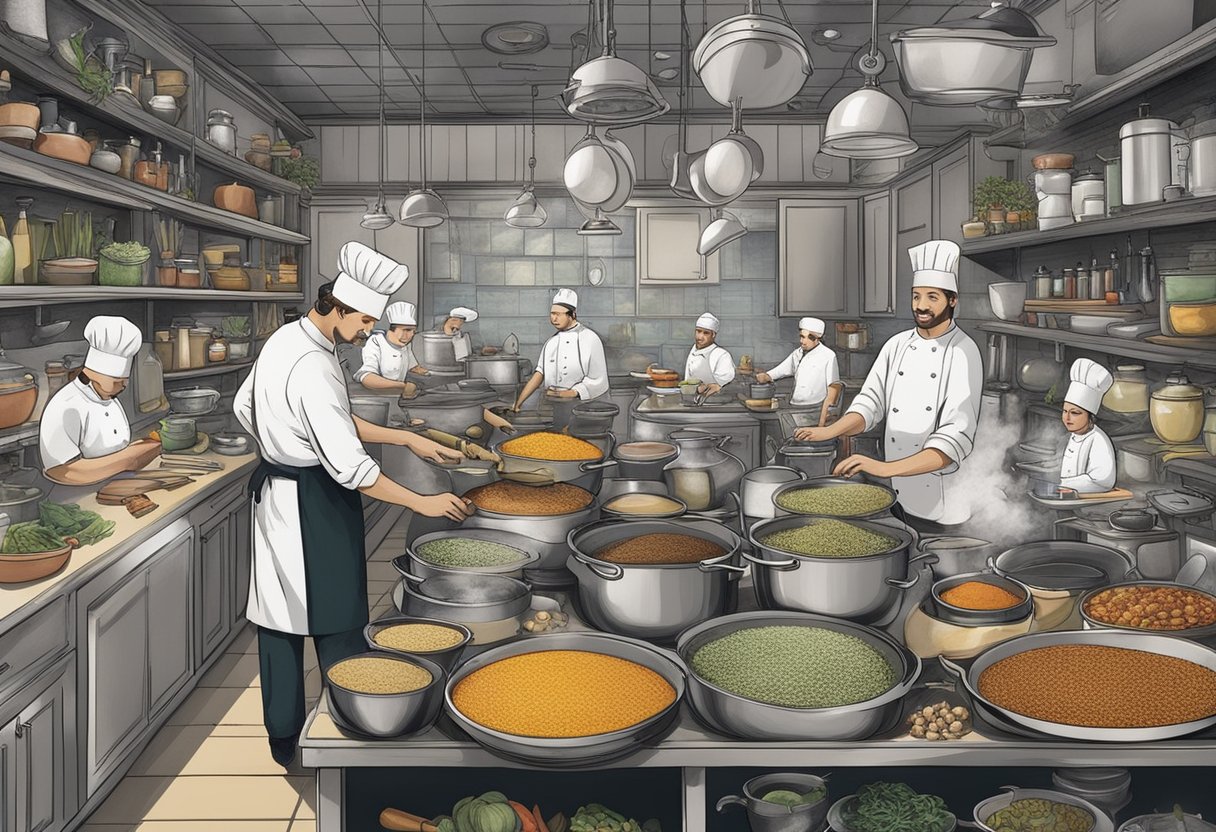
The culinary arts have their roots steeped in the annals of history, tracing back to the times when society began to transform the mere act of cooking into an art and craft. In the Renaissance period, these skills began evolving beyond the confines of castle kitchens, where chefs prepared meals for monarchy and nobility.
Culinary Arts as a field of study and practice entails a blend of cooking techniques, culinary innovation, and a deep understanding of food ingredients characteristic of various regions or cultures. Over time, the craft has grown into both a form of cultural expression and a booming industry.
In its early stages, the art of cooking took form in inns and through caterers known as traiteurs, who served set meals at communal tables. With the inception of the first restaurant in the 1760s, the purpose of these establishments was initially to offer food that could help restore health. However, they soon started providing a variety of cuisines.
The post-World War II era marked a significant boom in the culinary domain, with predominant figures like James Beard and Julia Child becoming household names. They, among others, were pioneers in showcasing the culinary arts to the public through televised cooking shows and radio programs, effectively raising the profile of the profession.
Today, one can pursue comprehensive knowledge on the discipline through self-paced learning and practice. They explore a vast array of techniques and skills invaluable to the profession, laying the groundwork for aspiring culinarians to build and refine their expertise.
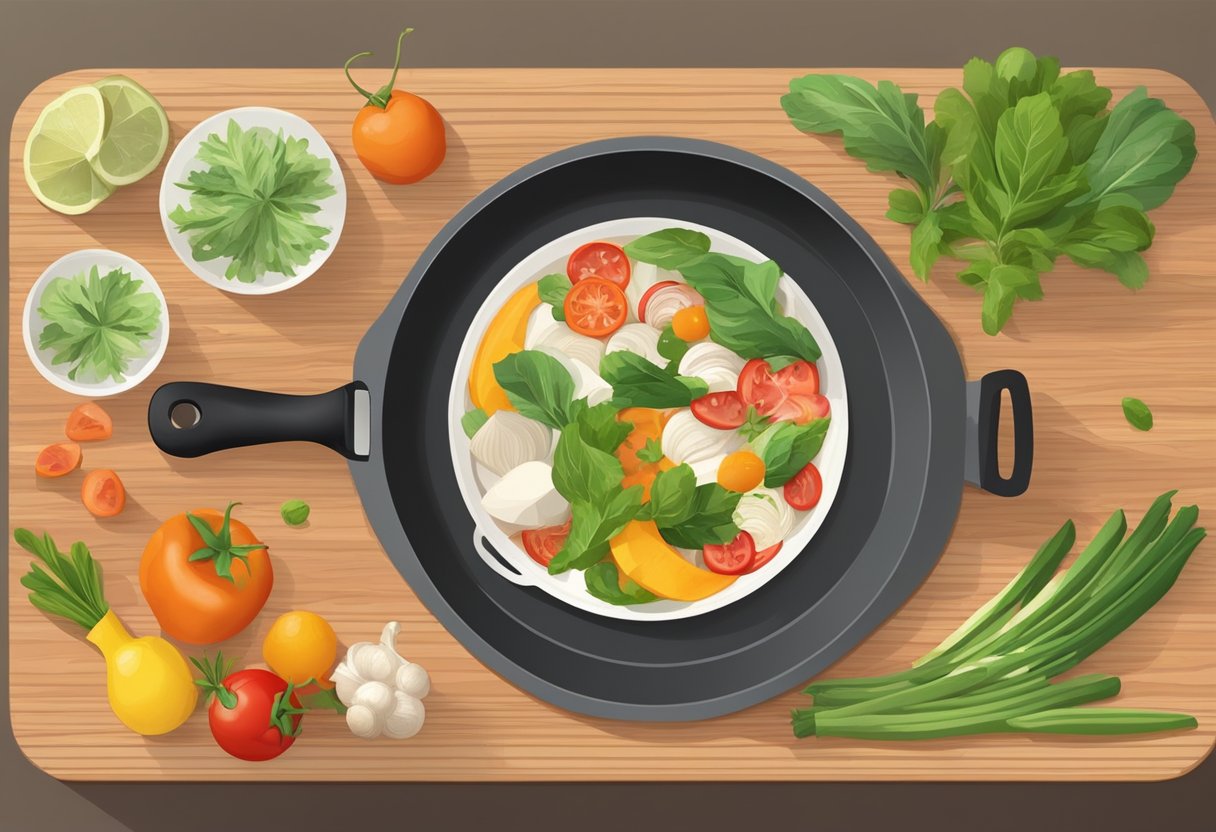
Culinary foundations are the essential building blocks for anyone looking to master the art of cooking. These foundations include a deep understanding and proficiency in using kitchen equipment, applying various cooking techniques, discerning and applying flavor profiles, and ensuring food safety.
The chef's arsenal is comprised of a range of essential tools that make meal preparation efficient and precise. Key items include sharp knives, which are critical for accurate cutting, and a set of pots and pans suitable for different cooking methods, such as sautéing and boiling. Kitchen scales and measuring devices are instrumental for achieving consistency in recipes.
A thorough grasp of cooking techniques is pivotal. A chef should be adept in skills like searing, which imparts a caramelized crust to meats, and blanching, useful for preserving the vibrant color and texture of vegetables. Mastering these techniques allows one to execute a recipe accurately and adapt to different culinary situations.
Understanding flavor profiles involves recognizing the five basic tastes: sweet, sour, salty, bitter, and umami. Chefs must know how to balance these tastes to create harmonious dishes. Additionally, they should be familiar with the flavor profiles of various cuisines, such as the use of warm spices in Indian cooking or the blend of fresh herbs in Mediterranean dishes.
Food safety is a non-negotiable aspect of culinary foundations. This includes proper food handling, knowledge of cooking temperatures to eliminate harmful bacteria, and storage practices to prevent spoilage. Being vigilant about cross-contamination, particularly with raw meats, is also vital to maintaining a safe cooking environment.
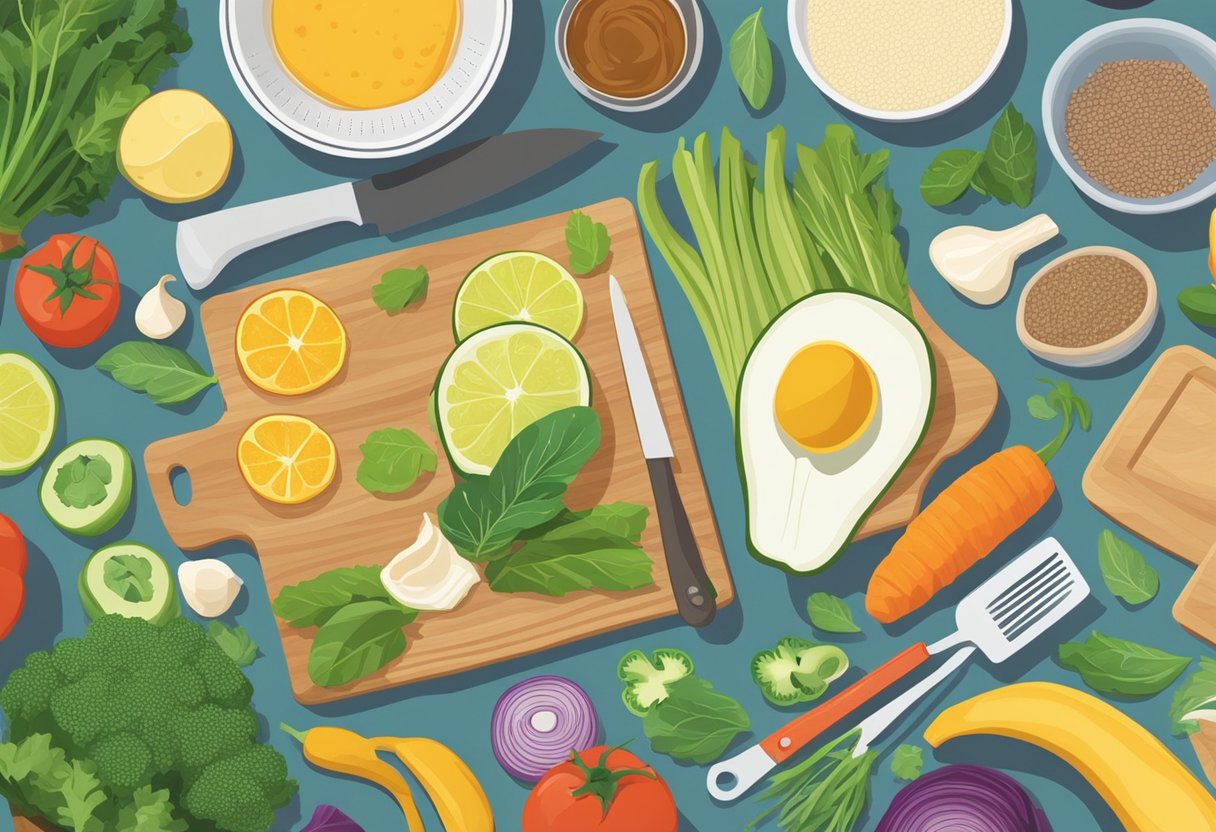
Understanding the foundational elements of nutrition is crucial for anyone interested in the culinary arts. The basic nutritional components of food include macronutrients and micronutrients, which play diverse roles in human health, as well as dietary guidelines, which provide frameworks for a balanced diet.
Macronutrients are nutrients that the body requires in large amounts for energy, growth, and bodily functions. They include:
Micronutrients are vitamins and minerals needed in smaller quantities but are vital for proper body function. They include:
Dietary guidelines recommend the balance and variety of foods to consume for optimal health. They outline the intake of:
These guidelines aim to foster overall health and prevent chronic diseases.
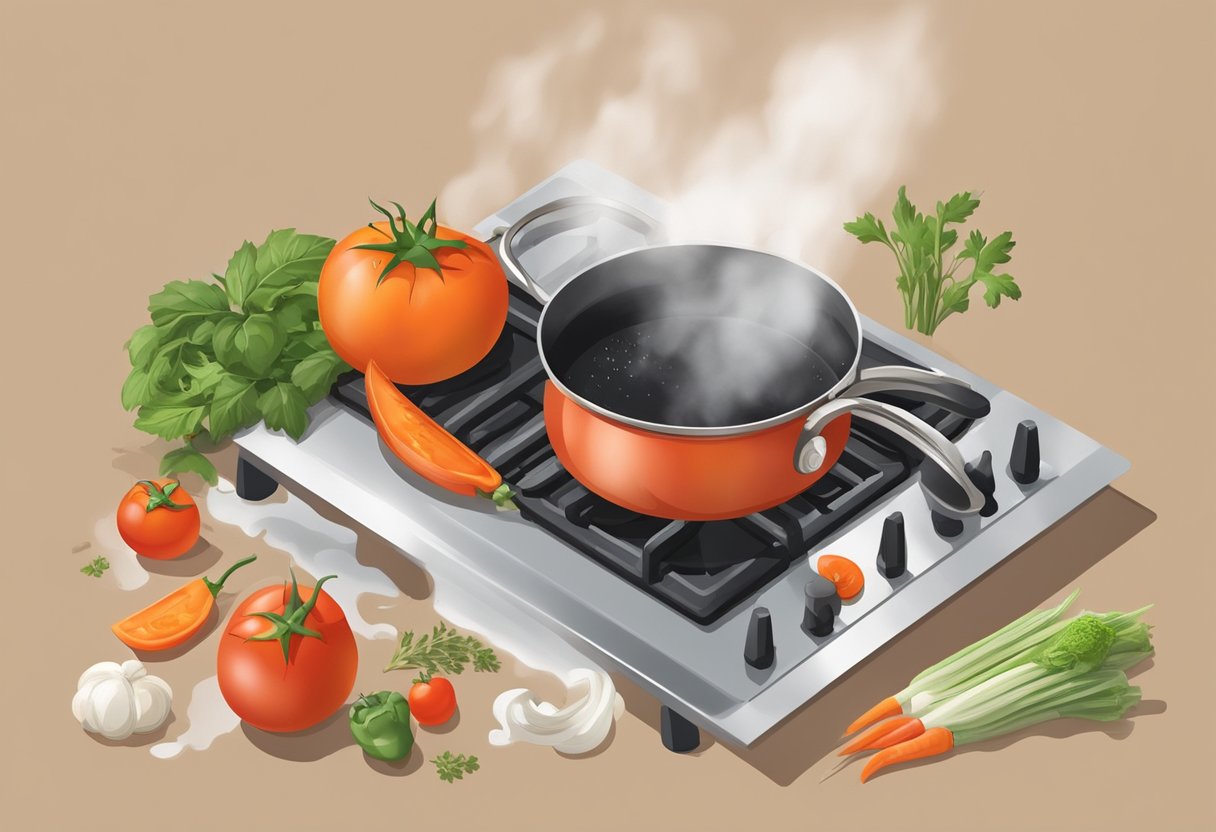
Mastering culinary techniques is essential for any aspiring chef, as it lays the foundation for creating a plethora of dishes. These methods, varying in heat source and distribution, affect the texture, flavor, and appearance of food.
Baking involves cooking food by surrounding it with dry heat, typically in an oven. Desserts like cakes and cookies, as well as breads, are common items that require baking, where even heat distribution is critical.
Grilling applies direct heat from below to cook the food. It is ideal for meats, vegetables, and fruits, which gain char lines and a smoky flavor that are the hallmarks of this technique.
Sautéing is a quick cooking method that uses a small amount of oil or fat in a pan over high heat. Foods are cooked rapidly, and often stirred or flipped frequently to ensure even cooking and browning.
Roasting involves cooking food in an oven or over an open fire. Meats and vegetables often benefit from this method as it enhances natural flavors and gives a desirable browned crust.
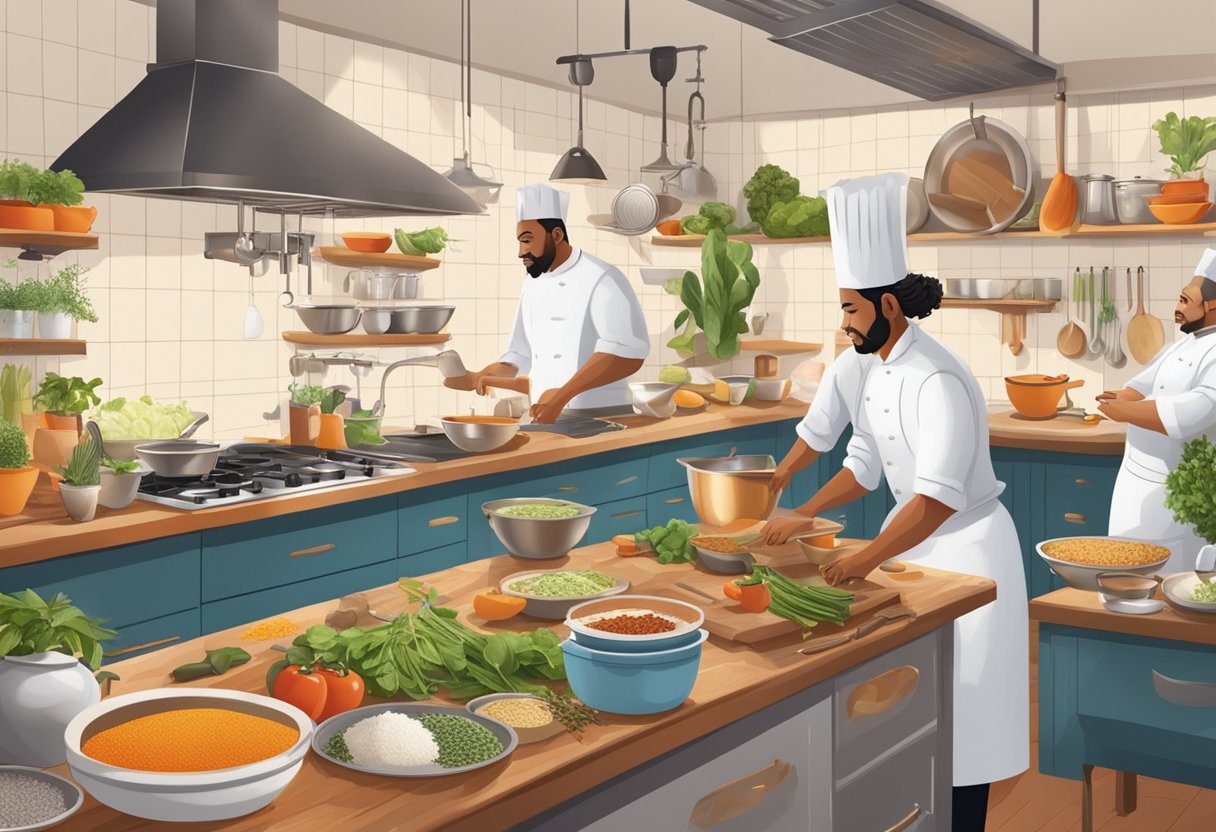
Exploring world cuisines offers a window into the diverse culinary traditions that have evolved across different cultures. Each cuisine represents a unique combination of flavors, techniques, and ingredients that reflect the history and geography of its origin.
Italian cuisine is characterized by its simplicity, with many dishes having only four to eight ingredients. Italians pride themselves on the quality of their ingredients rather than complicated cooking. A quintessential dish is pasta, like spaghetti carbonara, which combines eggs, hard cheese, cured pork, and black pepper.
French cuisine is renowned for its finesse and flavor, often involving elaborate preparation and presentation. The technique of sautéing is a staple in French cooking, providing a light fry to ingredients. The emphasis on sauces, such as the classic Béchamel, is a hallmark of French culinary arts.
Chinese cuisine offers an abundance of flavors and techniques, with eight primary culinary traditions including Cantonese and Szechuan cuisines. It features a variety of cooking methods, from stir-frying to steaming, and is known for its balance of the five flavors: sweet, sour, salty, bitter, and umami.
Mexican cuisine is distinguished by bold flavors and vibrant colors, utilizing a wide array of chilies, beans, and corn-based dishes such as tortillas. Cooking methods often involve grilling or slow-cooking, which infuse the food with a depth of flavor and tenderness, exemplified in dishes like barbacoa.
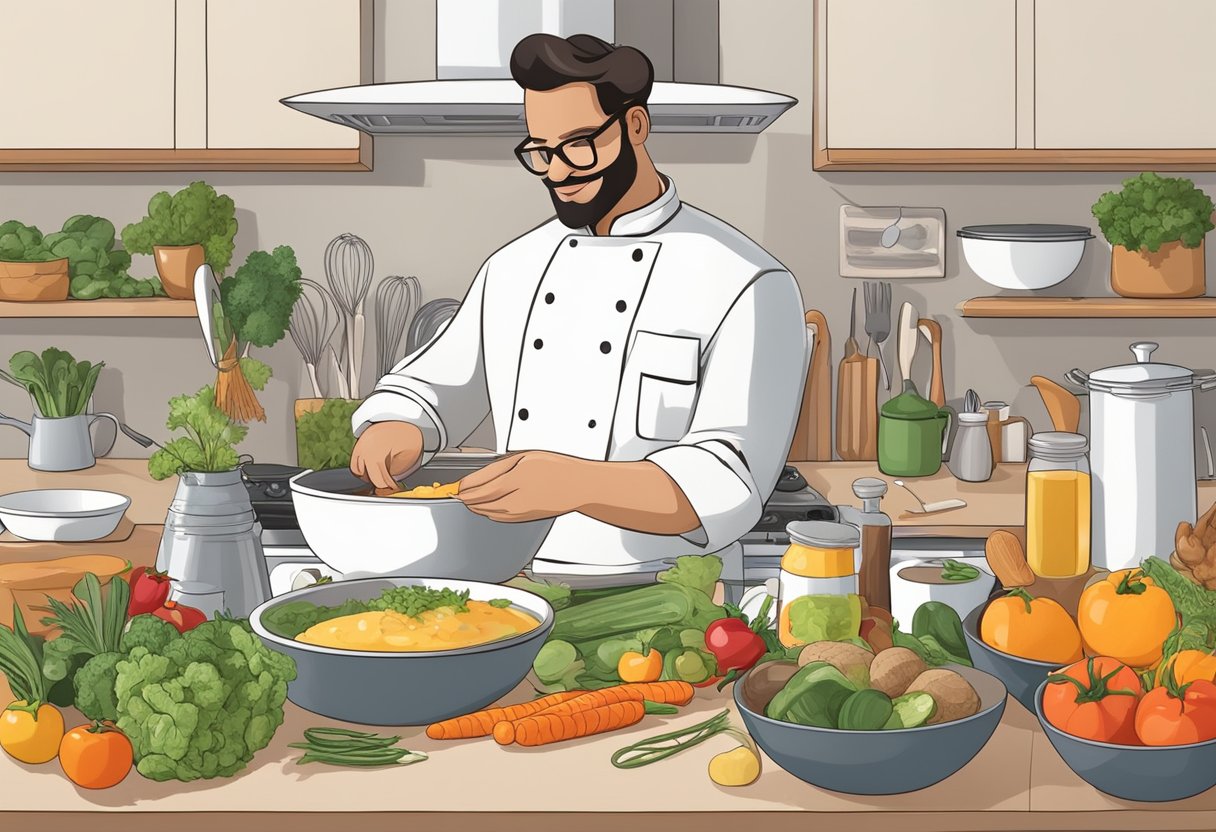
Developing a recipe involves a blend of creativity, systematic testing, and meticulous presentation. Each step is crucial for creating a dish that is both delightful to the palate and a feast for the eyes.
The heart of recipe development is creativity. It's where new flavors and textures are born. Chefs must consider various components, like the basics of culinary arts and regional influences, to create a unique culinary experience. For instance, when deciding to braise in wine, considerations of which herbs like rosemary and black pepper might complement the dish are essential.
Recipe testing is vital. It's not enough to have a concept; chefs must iterate on their creations.
For example, if a cake isn't moist enough, a chef may adjust the quantities of ingredients like sugar or sour cream until the desired outcome is achieved.
Presentation ties together the senses and completes the dining experience. The layout of ingredients on a plate or the garnish used can turn a dish from ordinary to extraordinary. Chefs must use color, contrast, and composition to make a dish visually appealing. The Institute of Culinary Education highlights the importance of finding the perfect balance of flavors and textures, as well as visual appearance, for a dish to stand out.
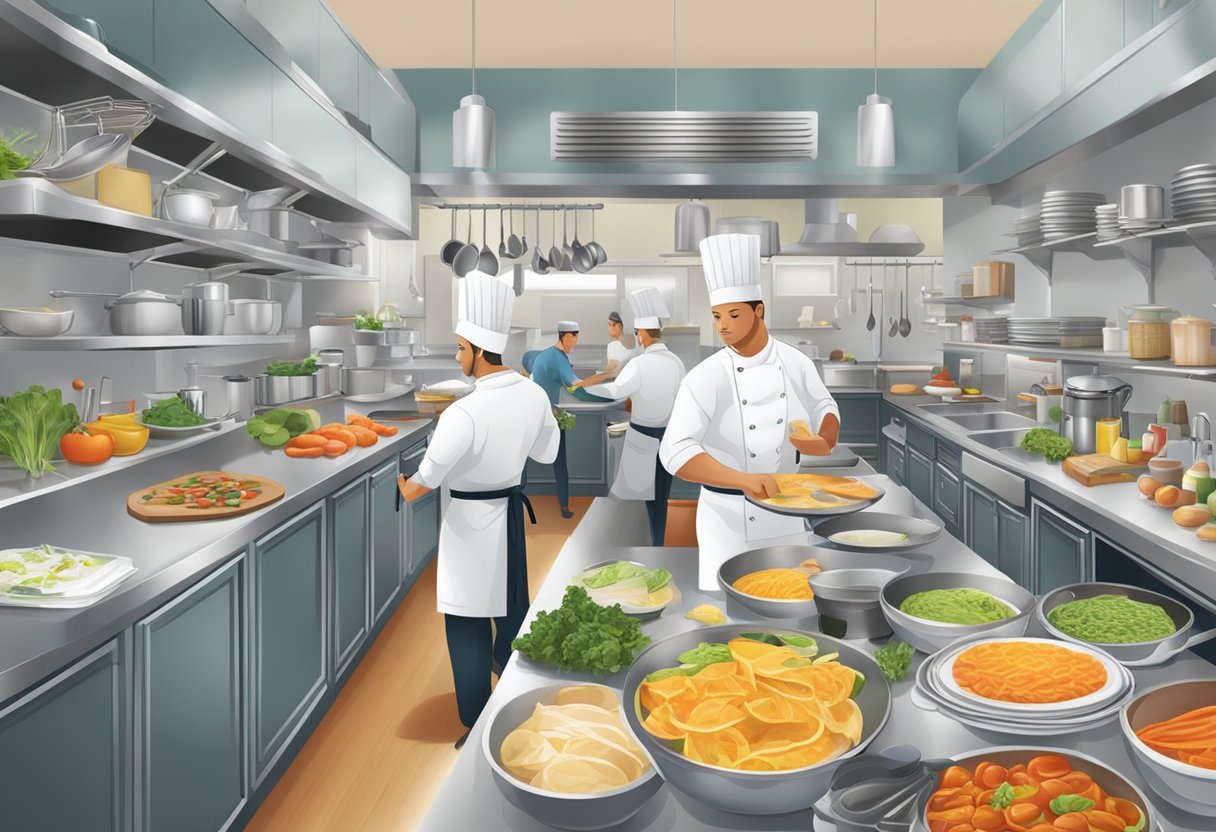
The food industry encompasses a diverse range of sectors, from food production to the culinary arts. It is essential for professionals in this field to understand the linkage between food preparation techniques and overarching industry trends.
Food service operations are the frontline of the food industry where culinary professionals engage with customers. They include a variety of settings such as restaurants, hotels, cafeterias, and catering services. Each type of operation requires a unique set of skills and knowledge in food handling, safety, and preparation methods to ensure a satisfying customer experience.
There are numerous paths one can pursue within the culinary sector. Careers can range from being a chef or cook, kitchen manager, food and beverage controller, to culinary arts instructor. Employment opportunities are abundant, and with the right mix of education, experience, and passion, individuals can achieve significant success in this vibrant industry.
The culinary landscape is ever-evolving, shaped by cultural shifts and innovations. Current trends include:
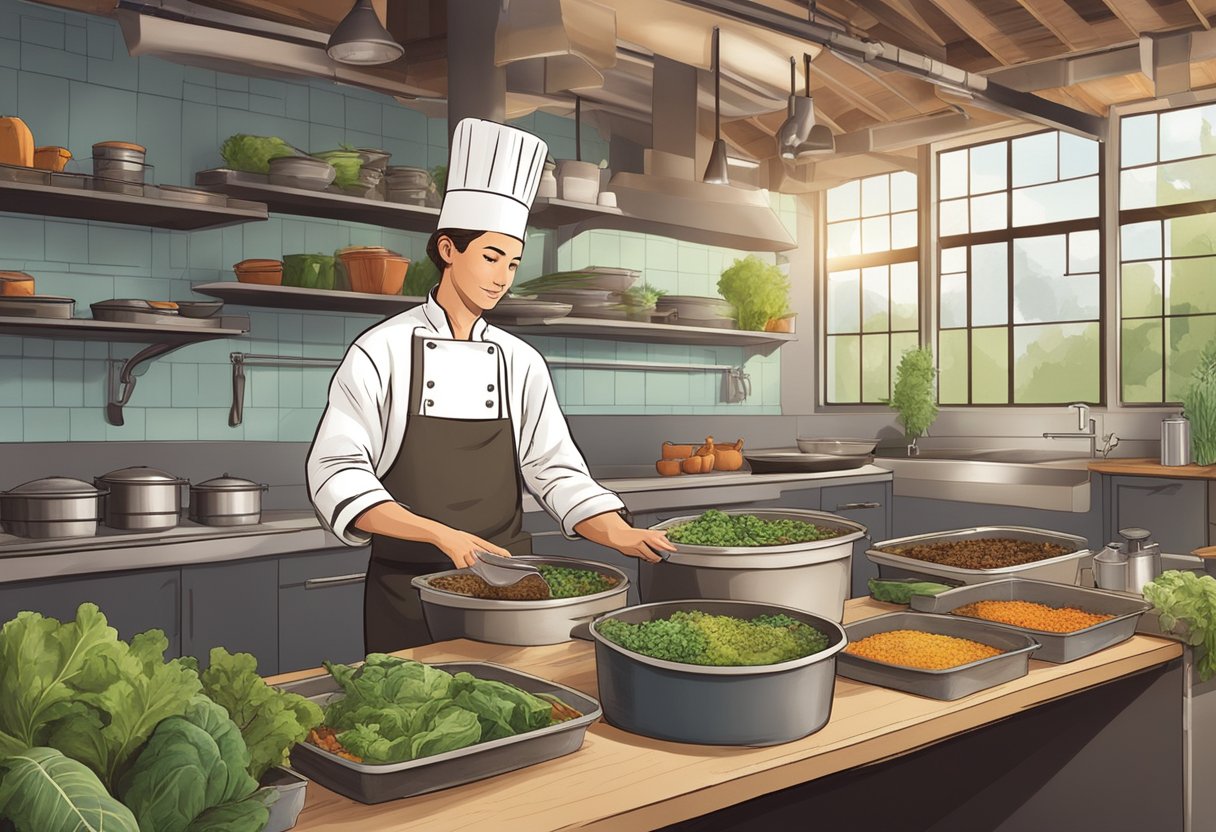
Sustainability in culinary arts is centered around practices that reduce environmental impact and support local communities. Chefs and restaurateurs integrate sustainable methods to contribute to a healthier planet.
Sourcing ingredients locally is key for sustainable kitchens. This practice supports the local economy and reduces carbon footprint as foods travel shorter distances to reach the consumer. It includes partnering with area farmers and advocating for seasonal consumption, thus, ensuring that the ingredients are at their peak for flavor and nutrition.
Food waste management is crucial in reducing the environmental impact of culinary operations. This starts with careful menu planning and portion control to minimize excess. Practices such as composting organic waste or repurposing food scraps into stocks and sauces are also part of effective food waste management strategies.
By focusing on local sourcing and food waste management, those involved in culinary arts can materially contribute to environmental sustainability. These efforts help secure a vibrant future for food production and gastronomy.
In this section, readers can find answers to some of the most common inquiries about beginning in the culinary arts, including essential techniques, pantry staples, starting points for learning, key recipes, foundational skills, and resources for skills development.
Every aspiring cook should master these five cooking techniques: frying, which involves cooking food in hot oil; steaming, where food is cooked over simmering water without direct contact; sautéing, which is a form of light frying; boiling, which cooks food in hot water; and roasting, which uses an oven's dry heat to cook the food thoroughly.
A beginner's kitchen pantry should include a variety of versatile ingredients: oils (like olive or vegetable oil), flours (for baking and thickening), sugars (both granulated and brown), salt, pepper, and an array of spices. Additionally, staples such as rice, pasta, canned tomatoes, and beans are crucial for a myriad of simple recipes.
A novice can start learning the basics of culinary arts by studying fundamental cooking terms and kitchen techniques. They may also benefit from hands-on practice, beginning with simple recipes to build confidence and skill.
Beginners should learn recipes that teach various techniques such as a basic tomato sauce, which demonstrates simmering and sautéing; a simple roasted chicken that covers roasting skills; an omelet to practice finesse with eggs; and a classic vinaigrette to learn the art of emulsification.
Culinary schools focus on teaching foundational skills such as knife techniques, kitchen safety, proper ingredient measurements, and understanding flavor profiles. They emphasize the importance of technique through learning how to cook various cuisines and mastering cooking methods like grilling, baking, and braising.
Students can develop their cooking skills through a mix of resources such as culinary textbooks, online tutorials, cooking blogs, and instructional videos. How-to videos for educators from reputable culinary institutes can be particularly beneficial for structured learning.
