
Embarking on the journey of cocktail making can be an exciting and rewarding experience for beginners. With a vast array of flavors, techniques, and ingredients, it's easy to feel overwhelmed when starting to learn about mixology. This guide aims to simplify the world of cocktails and provide a solid foundation for those looking to enhance their bartending skills, whether for personal enjoyment or as a career pursuit.

Understanding the basics of cocktails is crucial for anyone looking to create their own delicious concoctions. This entails familiarizing oneself with essential bar tools, key ingredients, various types of cocktails, and, of course, classic cocktail recipes. Beyond that, learning to master appropriate mixing techniques, garnishing, and serving etiquette is equally important to craft that perfect drink.
Cocktails are a delightful fusion of spirits, mixers, and other ingredients that create a unique and often complex flavor profile. For beginners, it is crucial to comprehend the basics of cocktail making before diving into the world of mixology.
The first step in understanding cocktails is to learn about the main components that make up a drink. These include:
Next, knowing the basic bar tools is essential for the aspiring mixologist:
Finally, familiarize yourself with the essential cocktail-making techniques:
With this foundation in cocktail understanding, beginners can confidently start exploring and experimenting with various recipes, ingredients, and personal preferences. The journey of cocktail mastery is a rewarding adventure that combines creativity, skill, and sensory delights.
There are two types of cocktail shakers: the Cobbler shaker and the Boston shaker. The Cobbler shaker consists of three parts: a shaking tin, a lid, and a small removable cap with a built-in strainer. The Boston shaker is made up of two parts: a shaking tin and a mixing glass (or smaller metal tin) that fit together. The Boston shaker is often preferred in professional bar settings where speed is essential.
A bar spoon is a long-handled stirring utensil, designed for mixing cocktails in tall glasses or shakers. It allows for a smooth and controlled stirring action, essential for proper dilution and chilling of the drink. Bar spoons also often feature a twisted handle, which makes spinning it between your fingers even easier.
A jigger is a measuring tool used in making cocktails, ensuring consistency and balance in your drinks. The Japanese jigger, which is taller than traditional ones, can be a little easier to use for measuring. These typically come in double-sided versions, measuring 1oz/2oz. Having an accurate jigger on hand is essential for creating well-balanced cocktails.
Strainers are pivotal tools in the bartending world, used to separate liquid from ice or muddled ingredients after shaking or stirring a cocktail. The most common type of strainer is the Hawthorne strainer, which is made of stainless steel and features a coiled spring that fits snuggly inside the shaker. Other types of strainers include the Julep strainer and the fine mesh strainer.
By acquiring and mastering the use of these essential bar tools, beginners will be well on their way to creating delicious and consistent cocktails.
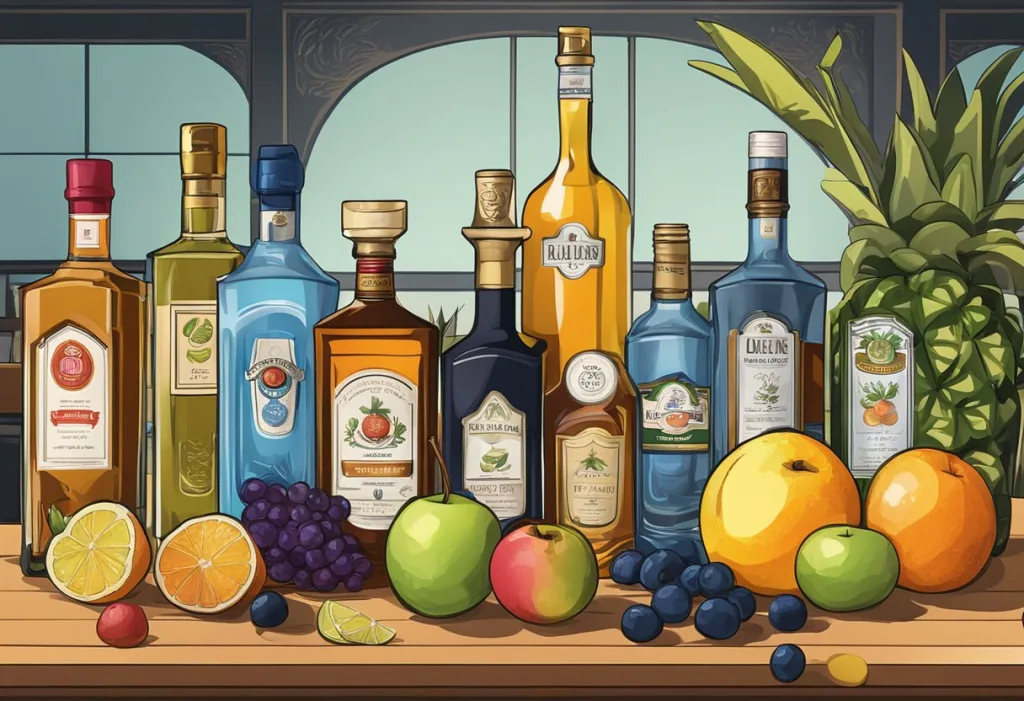
When starting your journey into the world of cocktails, it is important to familiarize yourself with the essential ingredients: spirits, mixers, and garnishes. These components are the building blocks that you will use to craft your beverages.
Spirits are the foundation of any cocktail and luckily, there is a wide variety to choose from. To begin, consider stocking your home bar with the following must-have spirits:
As you gain more experience and confidence in your mixology skills, you can expand your collection by adding nice-to-have spirits, such as:
Mixers are used to complement and enhance the flavors of your spirits. They can be found in many forms, including sodas, juices, and syrups. Stock your bar with some basic mixers like:
As you develop your palate and refine your tastes, you may want to explore other mixers such as liqueurs, bitters, and flavored syrups.
Garnishes add a visual appeal and sometimes an extra dimension of flavor to your cocktails. They can be as simple as a twist of citrus peel or as elaborate as a skewer of fruit. Some common garnishes to have on hand include:
Remember that garnishes should enhance the cocktail, not overpower it. Experiment with different combinations to find the right balance for each drink.
By stocking your bar with these basic ingredients, you will have a solid foundation for creating an array of delicious and impressive cocktails. As you gain experience and confidence in your mixology skills, you can expand your selection to include even more exciting ingredients. Cheers!
Cocktails come in various forms and techniques, each with its distinctive taste and presentation. In this section, we'll discuss three basic types of cocktails: stirred, shaken, and layered. Understanding these categories and their specific characteristics will help beginners to easily navigate the world of mixology.
Stirred cocktails are generally composed of spirits and liqueurs with minimal juice or mixer content. The mixing process involves gently stirring the ingredients with a long bar spoon over ice in a mixing glass to ensure proper dilution and chilling. Some classic stirred cocktails include:
Shaken cocktails typically combine ingredients with different densities, like spirits, juices, and syrups. These are shaken vigorously with ice in a cocktail shaker to ensure proper blending, dilution, and cooling. Examples of shaken cocktails include:
Layered cocktails, as the name suggests, showcase visually appealing layers of different ingredients. These layers are achieved by carefully pouring ingredients with different densities on top of one another, often using an upside-down spoon to create a clean separation. Some popular layered cocktails are:
Understanding the basics of stirred, shaken, and layered cocktails is essential for any beginner looking to explore the world of mixology. Experiment with these techniques to create both classic and original cocktails tailored to your taste.
In this section, we will discuss four classic cocktail recipes that are perfect for beginners. These drinks are timeless and provide a solid foundation for any aspiring bartender or home mixologist.
The Martini is a sophisticated cocktail that combines gin and dry vermouth. To make a classic martini, simply follow these instructions:
The Mojito is a refreshing and minty cocktail made with rum, lime, simple syrup, and club soda. To make a mojito, use the following recipe:
The Old Fashioned is a classic whiskey cocktail with a rich and deep flavor. The recipe includes:
The Margarita is a tequila-based cocktail with a bright, citrusy flavor. The ingredients are:
When it comes to creating cocktails, mastering a few essential mixing techniques is key to achieving the perfect drink. As a beginner, learning these methods will help you build a strong foundation in mixology skills.
The most common mixing techniques include shaking, stirring, building, muddling, and rolling. Each technique has its distinct use in creating specific types of cocktails, which will be further explained.
Shaking: This technique is used for cocktails that contain a mix of spirits, sweeteners (like syrups), fruit juices, or cream-based ingredients. Fill a cocktail shaker with ice and add necessary ingredients. Close the shaker, hold it firmly, and shake vigorously for 10-15 seconds to blend and chill the contents. Shaking not only combines the ingredients but also dilutes and aerates the cocktail. An example of a shaken cocktail is the Margarita.
Stirring: A stirred cocktail is typically composed of spirits only, along with a small amount of sweeteners or bitters. These cocktails require a gentle mixing technique to avoid over-dilution. To prepare a stirred cocktail, fill a mixing glass with ice, pour the ingredients, and then stir with a bar spoon for about 20-30 seconds. A classic example of a stirred cocktail is the Martini.
Building: Building is a technique used for simple, often non-alcoholic, mixed drinks. To build a cocktail, pour the ingredients directly into a glass, typically filled with ice. The drink will either be served as it is or topped up with a mixer, such as soda or tonic water. Examples of built cocktails include the Rum and Coke or Gin and Tonic.
Muddling: Muddling is used to release the flavors of fresh herbs or fruits, such as mint or lime. Place the ingredients at the bottom of a glass or cocktail shaker, and use a muddler or wooden spoon to gently crush them. Once the flavors are released, add the remaining ingredients and follow the recipe instructions. A well-known muddled cocktail is the Mojito.
Rolling: Rolling is ideal for cocktails that contain carbonated ingredients, such as sparkling water or soda, where vigorous shaking or stirring may cause the drink to fizz excessively. To roll a cocktail, pour the ingredients into a glass filled with ice, then roll the contents into another glass or shaker without including the ice. Repeat this motion a few times to combine and chill the ingredients. The Tom Collins is a classic rolled cocktail.
As a beginner bartending enthusiast, familiarizing yourself with these mixing techniques is an important step in crafting delicious and impressive cocktails. Practice these methods, and you'll impress yourself and others with your newfound mixology skills.
Garnishing a cocktail is an essential skill for beginners who want to create visually appealing and flavorful drinks. A well-garnished drink not only enhances its presentation but also adds subtle aromas and tastes that complement the cocktail's flavor profile.
Citrus garnishes are among the most popular and easy to prepare. Commonly used citrus fruits in cocktails include lemons, limes, and oranges. To create a citrus garnish, you can slice the fruit into wedges, wheels, or twists. Wedges are perfect for adding a burst of juice, while wheels and twists provide both visual appeal and release fragrant citrus oils. To make a twist, simply cut a thin strip of peel with a vegetable peeler or sharp paring knife, ensuring to remove the white pith as it can cause bitterness.
Herbs and edible flowers add an aromatic and visually striking touch to cocktails. Mint, basil, and rosemary are popular herbal garnishes, while edible flowers like pansies or nasturtiums can make your drink visually stunning. When using fresh herbs, give them a gentle slap to release their oils and enhance their aroma before placing them in your drink.
Berries and other fruits also make eye-catching and tasteful garnishes. Raspberries, blackberries, and cherries are popular choices for adding a pop of color and fruity flavor to your cocktail. Skewer them on a cocktail pick and drape them over the rim of the glass, or simply drop them into the drink.
Olives, onions, or pickled vegetables are commonly used in savory cocktails like martinis or Bloody Marys. A single olive or a cocktail onion can add a touch of umami to your drink, while pickled vegetables like asparagus or beans add a tangy, crunchy component.
When garnishing your cocktail, don't be afraid to get creative and experiment with different combinations. A well-chosen garnish will enhance your drink's flavor profile and elevate its presentation, making your cocktail a work of art that is sure to impress.
When it comes to enjoying cocktails, understanding serving etiquette is important for both the person making the drinks and those consuming them. First and foremost, know the menu. Whether you're a bartender or a guest at a party, being familiar with popular cocktail recipes helps in making informed decisions and guiding others in their choices.
When ordering a cocktail, be mindful of the bartender's time. It's best to avoid spending too much time making a decision, especially when the bar is busy. Always remember to be polite and respectful towards the bartender and fellow patrons.
Knowing your limits while consuming alcoholic beverages is an essential aspect of cocktail etiquette. It's crucial to pace yourself, stay hydrated, and avoid overindulging. Keep track of your alcohol consumption and switch to non-alcoholic options when necessary.
Here are some quick pointers for both servers and guests regarding serving etiquette:
If you're hosting a cocktail party, prepare a well-organized setup to serve your guests efficiently. Ensure that there's a designated area for making and serving drinks, with all necessary tools and ingredients within reach.
Lastly, pay attention to presentation when crafting and serving cocktails. Use appropriate glassware, garnishes, and ice types to enhance the drink's aesthetic appeal.
By adhering to these serving etiquette tips, both servers and guests can ensure a delightful and memorable cocktail experience.
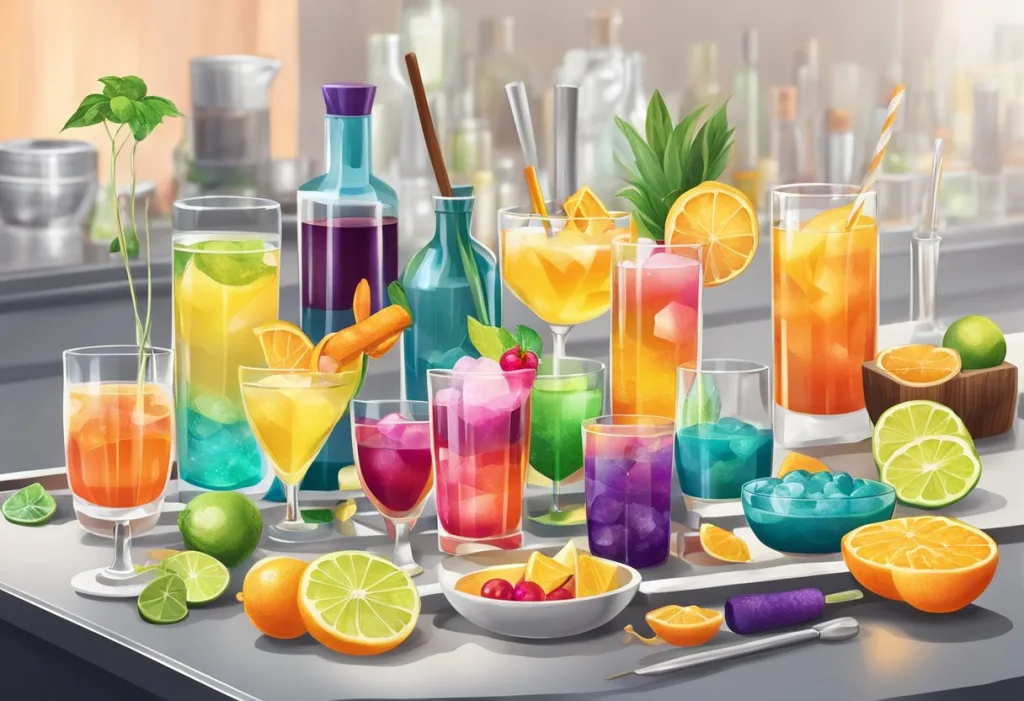
When beginning your journey into the world of cocktails, it's important to focus on experimenting with flavors. Mixing different ingredients, such as spirits, juices, syrups, bitters, and garnishes, can lead to discovering new and exciting taste combinations. Don't be afraid to try new things and remember that there's no right or wrong when it comes to creating a cocktail that you enjoy.
One key element in developing your mixology skills lies in understanding the balance between sweet, sour, bitter, and savory flavors. To achieve this, try incorporating a range of sweeteners, such as simple syrups or agave nectar, and experiment with different fruit juices to add acidity or sourness to your drinks. Furthermore, adding bitters can create an entirely new depth of flavor, transforming your cocktail into something uniquely delicious.
To enhance the quality of your cocktails, pay attention to fresh ingredients. Fresh fruits, herbs, and juices can make a noticeable difference in the taste and quality of your drinks. For example, some of the most common fresh ingredients found in cocktails include mint leaves, lime wedges, and freshly squeezed lemon juice.
When crafting your cocktails, it's essential to measure ingredients accurately to ensure a balanced and harmonious drink. Beginners should consider using jiggers to measure out different liquors and mixers as they build their understanding of the mixology process.
While it's crucial to know classic cocktail recipes and understand the fundamentals of mixology, the real excitement comes from experimenting with flavors and finding combinations that delight your taste buds. So, remember to stay curious, adventurous, and most importantly, enjoy the process.
For beginners, it is advised to start with simple and classic cocktails that have fewer ingredients. Some examples include the Old Fashioned, Negroni, and Gin & Tonic. These cocktails not only help in understanding the basic principles of cocktail making but also serve as a foundation for experimenting with more complex recipes.
Versatile ingredients that can be used in multiple cocktails include staple spirits such as gin, vodka, rum, tequila, and whiskey. Additionally, having a selection of modifiers like sweet and dry vermouth, as well as bitters, can help create a variety of flavor profiles. For mixers, staples like soda water, tonic water, and fruit juices are essential.
One can start by learning the basics of cocktail making, such as measuring, shaking, stirring, and garnishing. Acquiring a few essential tools like a shaker, a strainer, suitable cocktail glasses, and a juicer is also necessary. Reading books, following online tutorials, or taking a mixology course can further enhance one's skillset.
Fruity and sweet cocktails are popular among beginners due to their pleasant taste and simple preparation. Some examples include Mojitos, Daiquiris, Margaritas, and Cosmopolitans. These cocktails often involve muddling fresh fruit or using fruit juices combined with a sweetener like simple syrup to achieve a balanced flavor.
Every bartender should be familiar with classic cocktails, such as the Old Fashioned, Manhattan, Martini, Negroni, and Whiskey Sour. These drinks form the basis of many other cocktails and showcase essential skills in mixology. Knowing how to make these classics can help bartenders cater to a wide range of customer preferences.
The basic structure of creating a cocktail involves combining a spirit base with modifiers, mixers, and garnishes to achieve a specific flavor profile. The spirit serves as the foundation, modifiers add depth and complexity, mixers dilute and add volume, while garnishes enhance the visual and aromatic appeal of the drink. Balancing these elements is key to creating a well-rounded cocktail.
