Who doesn't love a good Mac'n'Cheese? This timeless comfort food is a favorite for many and for good reason. It's creamy, cheesy, and utterly delicious. Plus, it's incredibly easy to make, making it perfect for a quick weeknight dinner when time is of the essence or a cozy Sunday meal to enjoy with family. Whether you're a cooking novice or a seasoned chef, this Mac'n'Cheese recipe is bound to become a staple in your kitchen. So, let's dive into the world of gooey cheese and tender pasta with a recipe that's as fun to make as it is to eat!
Ingredients for Mac'n'Cheese
8 ounces of elbow macaroni (about 2 cups)
2 tablespoons of unsalted butter
2 tablespoons of all-purpose flour
2 cups of whole milk
8 ounces of sharp cheddar cheese, grated (about 2 cups)
1/2 teaspoon of salt
1/4 teaspoon of ground black pepper
Optional toppings: breadcrumbs, extra cheese, paprika, or bacon bits
How to Make Mac'n'Cheese Step-by-Step
Cook the Pasta: Bring a large pot of salted water to a boil. Add the elbow macaroni and cook according to the package instructions until al dente. Drain the pasta and set it aside.
Make the Roux: In the same pot, melt the butter over medium heat. Sprinkle the flour over the melted butter and whisk continuously for about 1 minute to cook off the floury taste. This mixture is called a roux and will help thicken your cheese sauce.
Add the Milk: Gradually add the milk to the roux, whisking constantly to prevent any lumps from forming. Continue to cook and whisk until the mixture thickens and begins to simmer, about 5 minutes.
Add the Cheese: Lower the heat to medium-low and add the grated cheddar cheese to the pot. Stir until the cheese is completely melted and the sauce is smooth. Season with salt and pepper to taste.
Combine Pasta and Cheese Sauce: Add the drained macaroni to the cheese sauce and stir until the pasta is evenly coated. If the sauce seems too thick, you can thin it out with a little more milk, added a tablespoon at a time.
Optional Toppings: If you're feeling adventurous, sprinkle your Mac'n'Cheese with breadcrumbs, extra cheese, paprika, or bacon bits for added flavor and texture. Place under the broiler for a few minutes until the topping is golden and crispy.
Serve: Serve the Mac'n'Cheese immediately, straight from the pot, or transfer it to a serving dish. Enjoy the creamy, cheesy goodness!
This Mac'n'Cheese recipe is not only a crowd-pleaser but also a testament to the beauty of simple, comforting meals. Whether it's a hectic weekday or a leisurely weekend, this dish is sure to satisfy your cravings for something cheesy and delicious. Happy cooking!
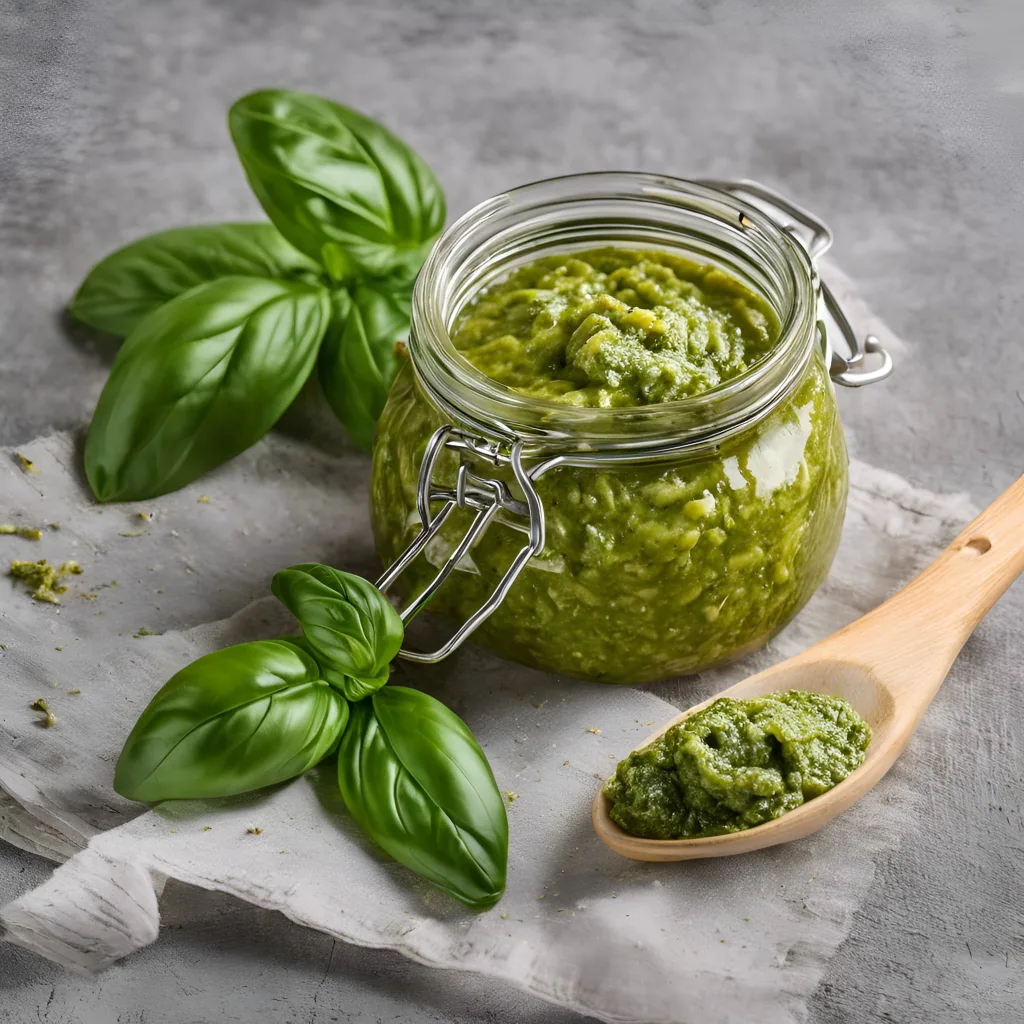
Pesto Genovese is a vibrant, aromatic sauce originating from Genoa in the Liguria region of Italy. This iconic sauce is made from fresh basil, garlic, pine nuts, Parmesan (or Pecorino) cheese, olive oil, and a pinch of salt, blended together to create a rich, green sauce that's both versatile and delicious. Traditionally served with pasta, Pesto Genovese can also be used as a spread for bruschetta, a dressing for salads, or a marinade for meats. Its fresh flavors are a hallmark of Italian summer cuisine, but it can be enjoyed year-round thanks to the availability of fresh basil. Making your own pesto at home is quick and easy, requiring only a few simple kitchen tools, and it allows you to adjust the ingredients to your taste for a personalized touch.
Ingredients Required
Fresh basil leaves: 2 cups, packed
Garlic: 2 cloves
Pine nuts: 1/3 cup (can substitute walnuts for a different flavor)
Parmesan cheese: 1/2 cup, freshly grated
Extra-virgin olive oil: 1/2 cup
Salt: to taste
Recommended Kitchen Gear
Food processor or blender
Measuring cups and spoons
Rubber spatula (for scraping down the sides)
Cheese grater (if grating your own cheese)
Airtight container (for storage)
Directions (How-to Make It)
Prepare the Basil: Rinse the basil leaves in cold water and gently pat them dry with paper towels. Removing as much moisture as possible ensures your pesto will be vibrant and not watered down.
Blend the Ingredients: In the bowl of a food processor or blender, combine the basil leaves, garlic, pine nuts, and a pinch of salt. Pulse until the ingredients are coarsely chopped.
Add the Cheese: Add the grated Parmesan cheese to the mixture and pulse a few times to mix it in.
Emulsify with Olive Oil: With the processor running, slowly drizzle in the olive oil through the feed tube. Continue to process until the pesto reaches your desired consistency. For a thicker pesto, use less oil; for a thinner sauce, add a bit more.
Taste and Adjust: Taste the pesto and adjust the seasoning with additional salt if needed. If the pesto is too thick, you can add a little more olive oil to loosen it.
Store or Serve: Use the pesto immediately with your favorite pasta, or store it in an airtight container in the refrigerator for up to a week. To preserve the vibrant green color, you can place a layer of olive oil on top of the pesto before sealing the container.
Pesto Genovese's fresh, herbal flavors make it a favorite in Italian cuisine and beyond. Whether you're dressing a simple plate of pasta or looking for a flavorful addition to sandwiches and salads, homemade pesto brings a touch of Genoa to your kitchen.
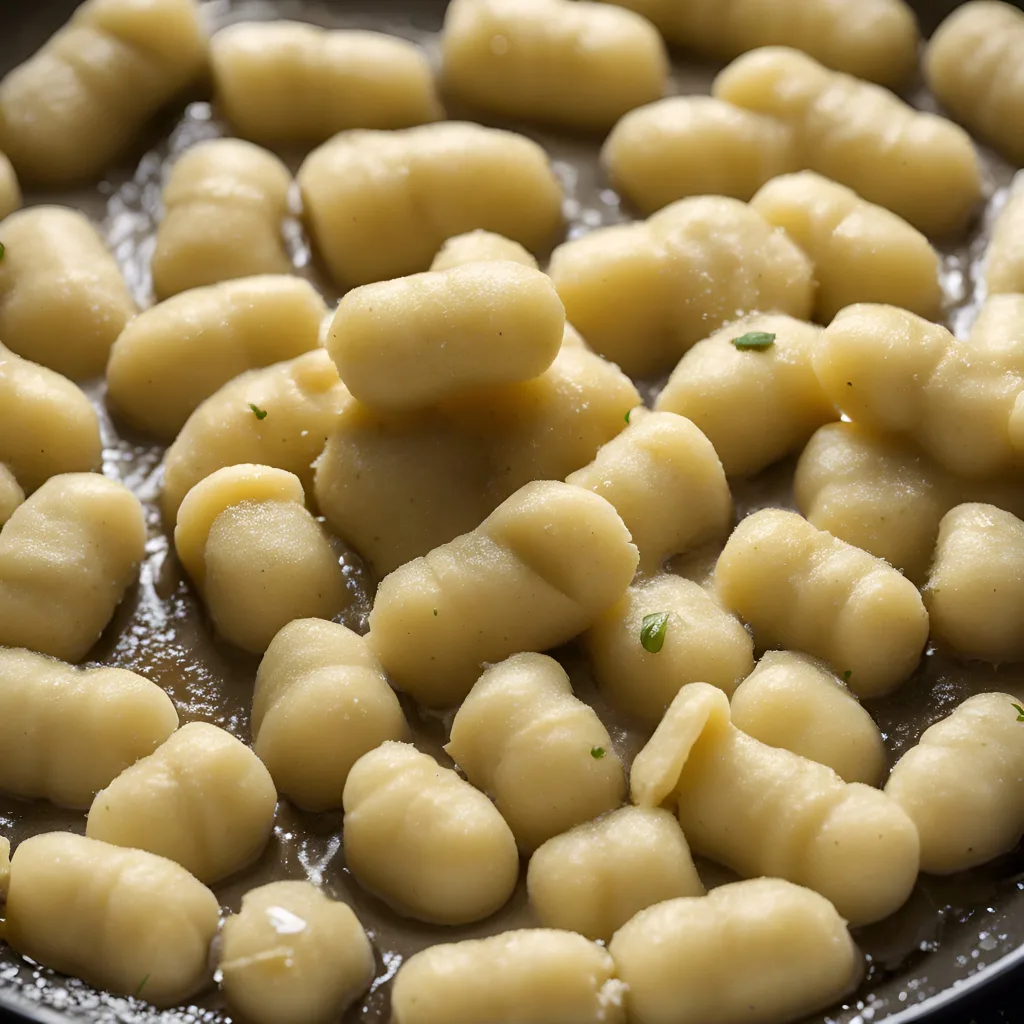
Gnocchi are soft, pillowy dumplings that are a staple in Italian cuisine, offering a delightful alternative to pasta. Made primarily from potatoes, flour, and sometimes egg, these dumplings are known for their light, airy texture when cooked correctly. Gnocchi can be served with a variety of sauces, from a simple sage butter to a hearty ragù, making them versatile and suitable for any season or occasion.
Preparing gnocchi from scratch is a rewarding culinary endeavor that invites you to explore the rustic and comforting side of Italian cooking. Whether you're looking for a comforting meal on a cool evening or wanting to impress guests with your homemade pasta-making skills, gnocchi provides the perfect canvas.
Ingredients Required
Potatoes: 1kg (about 2.2 lbs), preferably starchy varieties like Russets
All-purpose flour: About 2 cups, plus more for dusting
Egg: 1 large (optional, for binding)
Salt: 1 teaspoon, plus more for cooking water
Recommended Kitchen Gear
Large pot for boiling potatoes
Potato ricer or masher
Large mixing bowl
Fork or dough scraper
Knife or pastry cutter
Baking sheet or large tray dusted with flour
Slotted spoon
Directions (How-to Make It)
Cook the Potatoes: Wash the potatoes and boil them whole in salted water until tender, about 20-30 minutes. Drain and let them cool just enough to handle. Peel the potatoes.
Mash the Potatoes: Using a potato ricer or masher, mash the potatoes until smooth. Avoid overworking to prevent the gnocchi from becoming tough.
Make the Dough: On a clean surface, spread the mashed potatoes into a mound and make a well in the center. Sprinkle the flour and salt around and over the potatoes. If using, beat the egg and add it to the center of the well. Gradually incorporate the flour and potato, kneading gently until a soft dough forms. Add more flour if the dough is too sticky, but be sparing to keep the gnocchi light.
Shape the Gnocchi: Divide the dough into sections and roll each into long ropes, about 3/4-inch in diameter. Cut the ropes into 1-inch pieces. If desired, roll each piece over the tines of a fork or a gnocchi board to create ridges.
Cook the Gnocchi: Bring a large pot of salted water to a boil. Cook the gnocchi in batches, dropping them into the water and cooking until they float to the surface, about 2-3 minutes. Use a slotted spoon to transfer them to a colander or plate.
Serve: Serve the gnocchi immediately with your choice of sauce.
Gnocchi offers a comforting, satisfying dish that pairs beautifully with a variety of flavors and ingredients. Whether you choose to dress them with a simple butter and herb sauce or a more complex, savory option, homemade gnocchi will bring a touch of Italian comfort food to your table.
Spaghetti Carbonara recipe is a classic Italian pasta dish that hails from Rome. It's beloved worldwide for its creamy texture and flavourful combination of ingredients. Traditionally made with eggs, hard cheese, cured pork, and black pepper, Carbonara is a testament to the magic of simple, high-quality ingredients coming together to create something truly special. This dish is perfect for a cozy dinner at home, impressing guests, or even a luxurious weeknight treat. Its preparation doesn't require fancy kitchen gadgets, making it accessible for cooks of all levels. To whip up this authentic Italian cuisine, you'll need a few basic pieces of kitchen equipment.
Ingredients Required
Spaghetti: 400g (14 oz)
Eggs: 4 large (use just the yolks for a richer sauce)
Pecorino Romano or Parmigiano Reggiano cheese: 1 cup, finely grated
Guanciale (or pancetta if guanciale is unavailable): 150g (5 oz), cut into small pieces
Freshly ground black pepper
Salt, to taste
Recommended Kitchen Gear
Large pot for boiling pasta
Large skillet or frying pan for cooking the guanciale or pancetta
Mixing bowl for combining eggs and cheese
Whisk or fork for beating the egg yolks
Cheese grater
Colander for draining pasta
Wooden spoon or spatula
Directions (How-to Make It)
Prepare the Ingredients: Start by grating the cheese and cutting the guanciale (or pancetta) into small pieces. Separate the egg yolks and beat them lightly, then mix in the grated cheese, adding plenty of freshly ground black pepper.
Cook the Pasta: Fill a large pot with water, add a generous amount of salt, and bring to a boil. Cook the spaghetti according to the package instructions until al dente. Reserve about a cup of the pasta cooking water before draining.
Cook the Guanciale: While the pasta cooks, heat a large skillet or frying pan over medium heat. Add the guanciale (or pancetta) pieces and cook until they are crispy and golden brown, releasing their fat. Remove from the heat once done.
Combine Pasta and Guanciale: Drain the cooked spaghetti and add it to the skillet with the guanciale. Toss well to coat the pasta in the fat.
Add the Egg Mixture: Remove the skillet from the heat to prevent the eggs from scrambling. Quickly add the egg and cheese mixture to the pasta, tossing vigorously to combine everything without cooking the egg. The heat from the pasta and pan will gently cook the eggs, creating a creamy sauce. If the sauce seems too thick, add a little of the reserved pasta water until you reach your desired consistency.
Serve Immediately: Serve the spaghetti carbonara immediately, topped with additional grated cheese and freshly ground black pepper to taste