
Parmesan, the esteemed king of Italian cheeses, is renowned worldwide for its nutty, savory flavor and granular texture. Originating from the Parma region of Italy, this cheese has a legacy that spans centuries, reflecting a time-honored tradition of cheese-making excellence. Parmesan is not just a topping for pasta; it's an ingredient that enhances a myriad of dishes, making it a staple in kitchens around the globe.
Understanding Parmesan goes beyond recognizing its taste—it involves appreciating the craftsmanship behind its creation. From its rigorous production process to strict grading and quality control, every wheel of authentic Parmesan cheese stands as a testament to the dedication of its producers. This guide dives into the nuances of Parmesan, detailing everything from its nutritional profile and storage tips to its culinary uses and how to ensure you're purchasing the real deal.
Explore more about basic ingredients in the kitchen to master cooking!
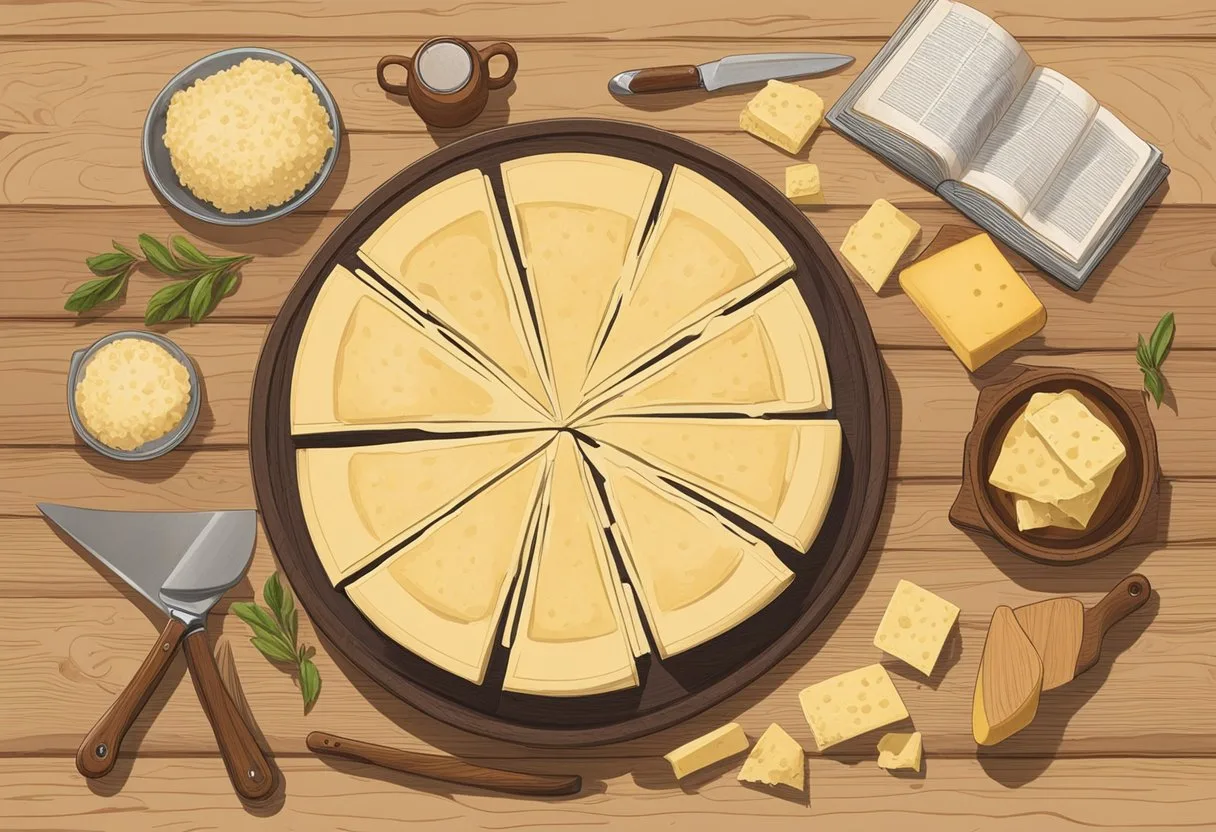
The rich story of Parmesan, a cheese with roots stretching nearly a millennium back, is a tale of tradition and strict adherence to origin. Known for its distinctive flavor and granular texture, Parmesan's lineage is closely tied to the regions of Italy and the meticulous processes developed over centuries.
Parmesan cheese, or Parmigiano Reggiano, originates from the northern part of Italy, specifically within the provinces of Parma, Reggio Emilia, and Modena, with parts extending into Bologna and Mantova. It's believed that Benedictine monks were among the first to produce this cheese as early as the 12th century, aiming to create a cheese that could last through the seasons.
Initially, Parmesan was made in small quantities due to limited technology. However, as demand grew, so did the scale of production. The process has remained largely unchanged, ensuring the quality and characteristics of the cheese remain consistent. True Parmesan undergoes a minimum aging process of 12 months, but some variations are aged for over 36 months to develop a deeper flavor.
The production of Parmesan now follows strict traditional methods laid down by Italian law and regulated by the Consorzio del Formaggio Parmigiano-Reggiano. This includes using raw cow's milk and following precise steps, from cooking to aging, within the designated areas. These requirements help maintain the authenticity and integrity of the cheese, which bears the Protected Designation of Origin (PDO) status to certify its origin and production methods.
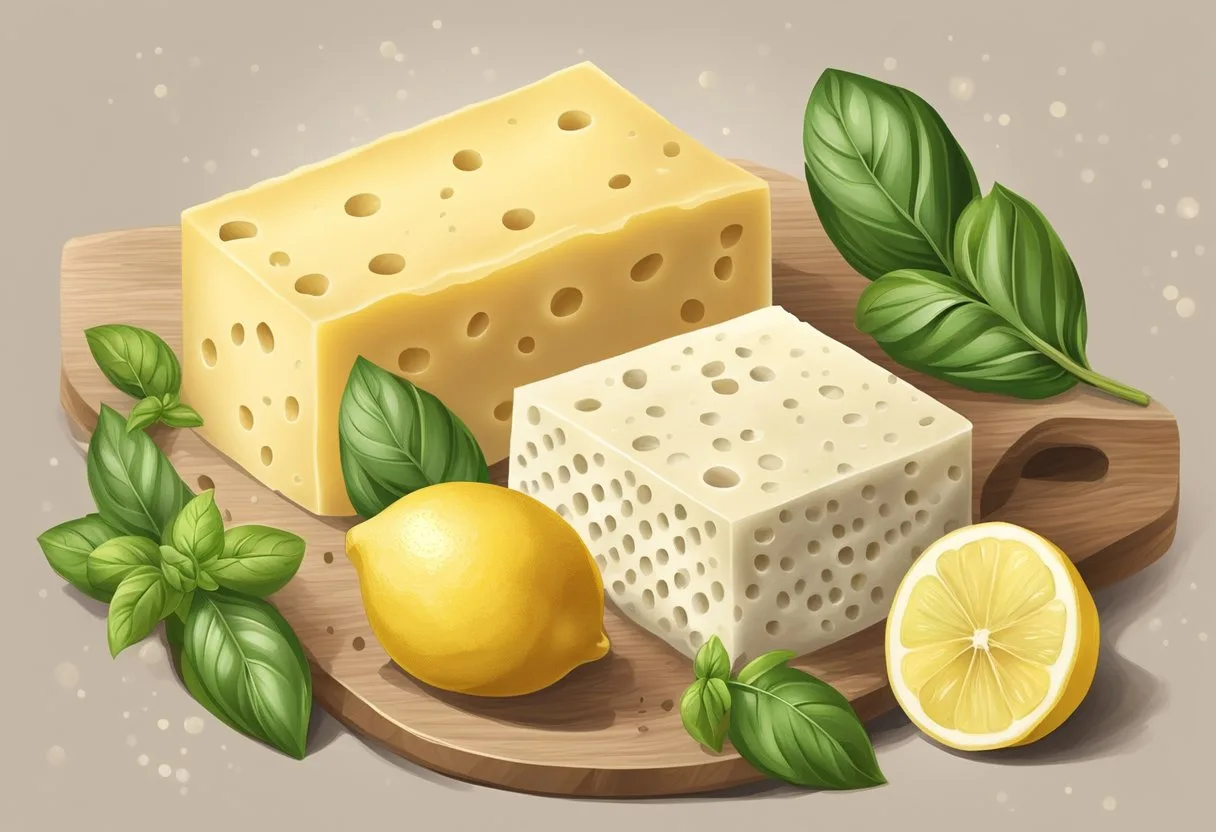
Parmesan cheese stands out in the culinary world for its savory flavor and granular texture, which intensifies with aging. It is essential in many Italian dishes and a prized addition to a variety of recipes.
Parmesan is a hard, aged cheese that is commonly grated over pasta, soups, and salads. Originating from Italy, it is made from cow's milk and known for its nutty and salty taste profile. As Parmesan matures, its consistency becomes more granular and crumbly, with a straw-colored interior and a natural, hard rind.
Parmigiano-Reggiano specifically refers to Parmesan cheese that adheres to stringent Protected Designation of Origin (PDO) standards from the Italian regions of Parma, Reggio Emilia, and Modena, as well as parts of Bologna and Mantua. Conversely, cheeses labeled simply as "Parmesan" in countries like the United States may not be subject to the same rigorous production criteria and can vary widely in quality and taste. Parmigiano-Reggiano cheese is exclusively produced in designated areas and must follow a traditional process that affects everything from the cows' feed to the cheese's aging process.
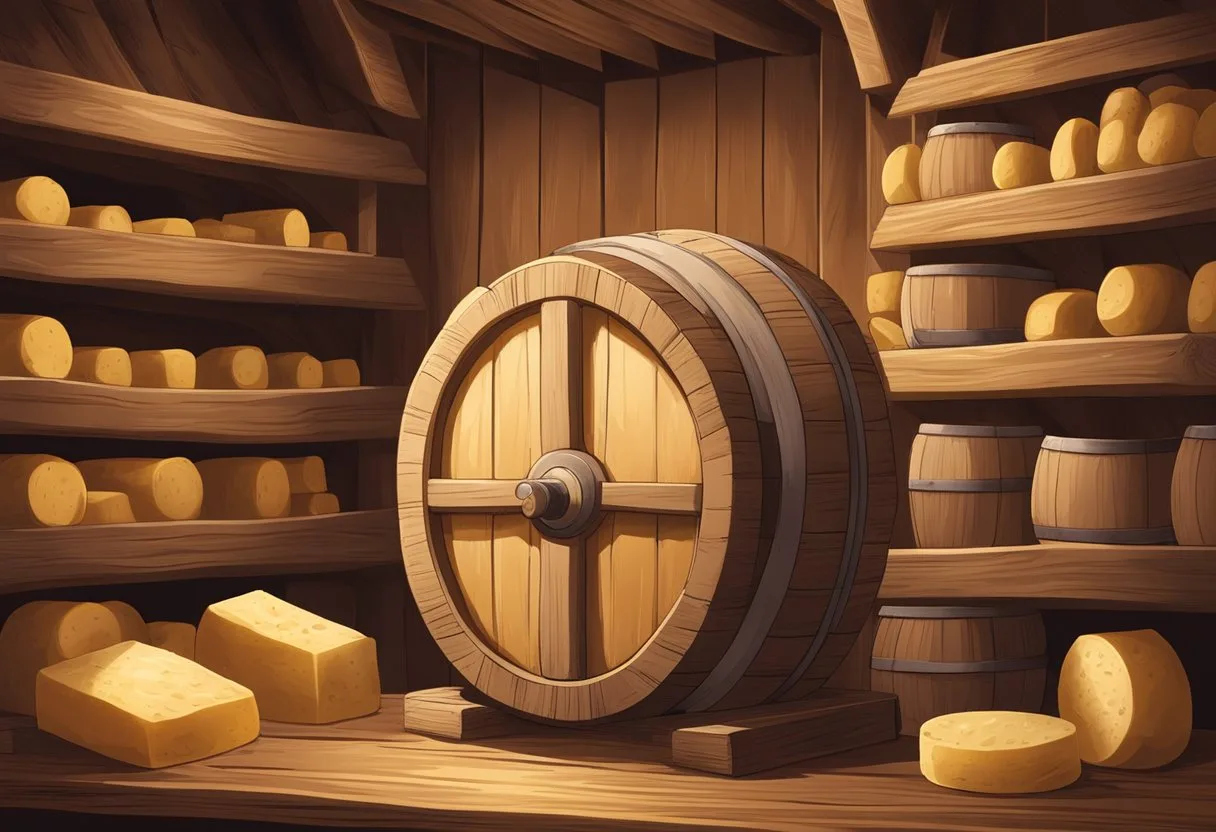
The creation of Parmesan cheese is a meticulous procedure that begins with high-quality milk and extends to careful aging techniques to produce its unmistakable flavor and texture.
Parmesan production is highly dependent on sourcing quality milk from specific cow breeds, typically fed a controlled diet that affects the cheese’s flavor profile. For authentic Parmigiano Reggiano, the milk comes from grass and hay-fed dairy cows, with the process involving a mixture of partially skimmed evening milk with the fresh morning milk. The quality of milk is crucial, as it influences the final taste and texture of the cheese.
Adding specially cultured bacteria and rennet to the milk initiates the curdling process. The milk mixture converts into curd and whey over several hours. The curd is then broken into granules and the whey is expelled. This step is vital for achieving the desired consistency and begins the development of Parmesan's unique characteristics. The process specifics are guided by a strict protocol to ensure consistency, resulting in a curd that is subsequently pressed into molds for shaping.
After molding, each cheese wheel is soaked in a saltwater brine, which facilitates flavor development and acts as a preservative. The aging process for Parmesan is extensive, taking a minimum of 12 months and up to 36 months or longer. During this time, cheese wheels are stored under controlled conditions where they are regularly turned and cleaned to ensure proper maturation and the formation of a rind, which are essential for the development of the deep, complex flavors associated with high-quality Parmesan cheese.
Parmesan, known for its distinctive taste and texture, undergoes a rigorous grading and quality control process to ensure that each wheel adheres to the highest standards.
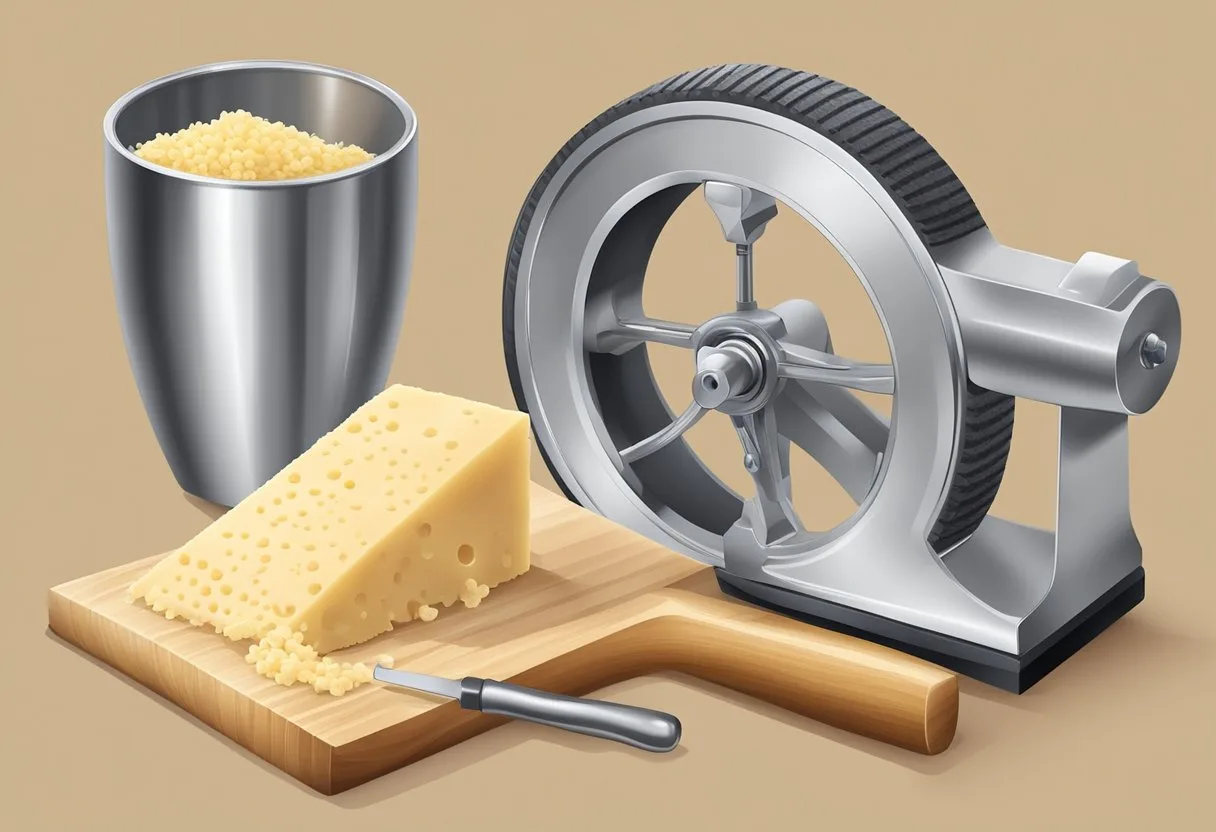
Parmesan cheese is evaluated on several key aspects, including texture, aroma, and flavor. Experts examine the cheese for specific characteristics, such as having a compact-textured paste and an absence of defects. Cheeses that meet the criteria are categorized into grades indicating their suitability for aging and consumption. A wheel that passes a sensory analysis at 24 months is classified as "first grade," commonly recognized as without defects and ideal for both grating and eating in chunks.
Each wheel of Parmesan must display the appropriate marks to signal that it is a genuine product. These marks include the "Parmigiano Reggiano" identifying stamp, which is only bestowed upon cheeses that comply with the production regulation for Protected Designation of Origin (PDO) status. Additional information, such as an "Export" mark, may also be present to indicate that the cheese is suitable for international sale. The PDO certification ensures that consumers are getting an authentic product, strictly produced within the designated areas and following the consortium's approved methods.
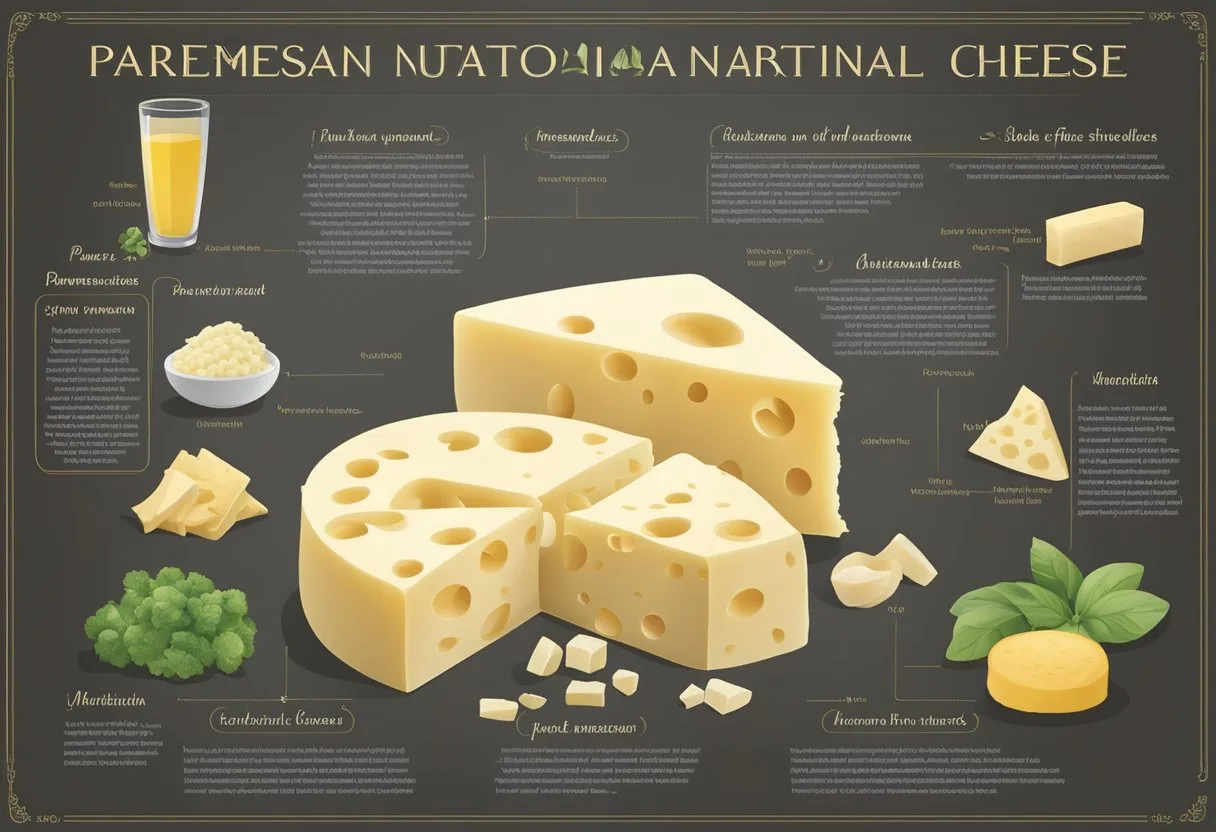
Parmesan cheese offers a dense nutrient profile, providing a wealth of macronutrients and essential vitamins and minerals per serving.
Parmsan cheese nutrition info and health benefits suggest a rich array of macronutrients and essential micronutrients, favorable for a balanced diet.
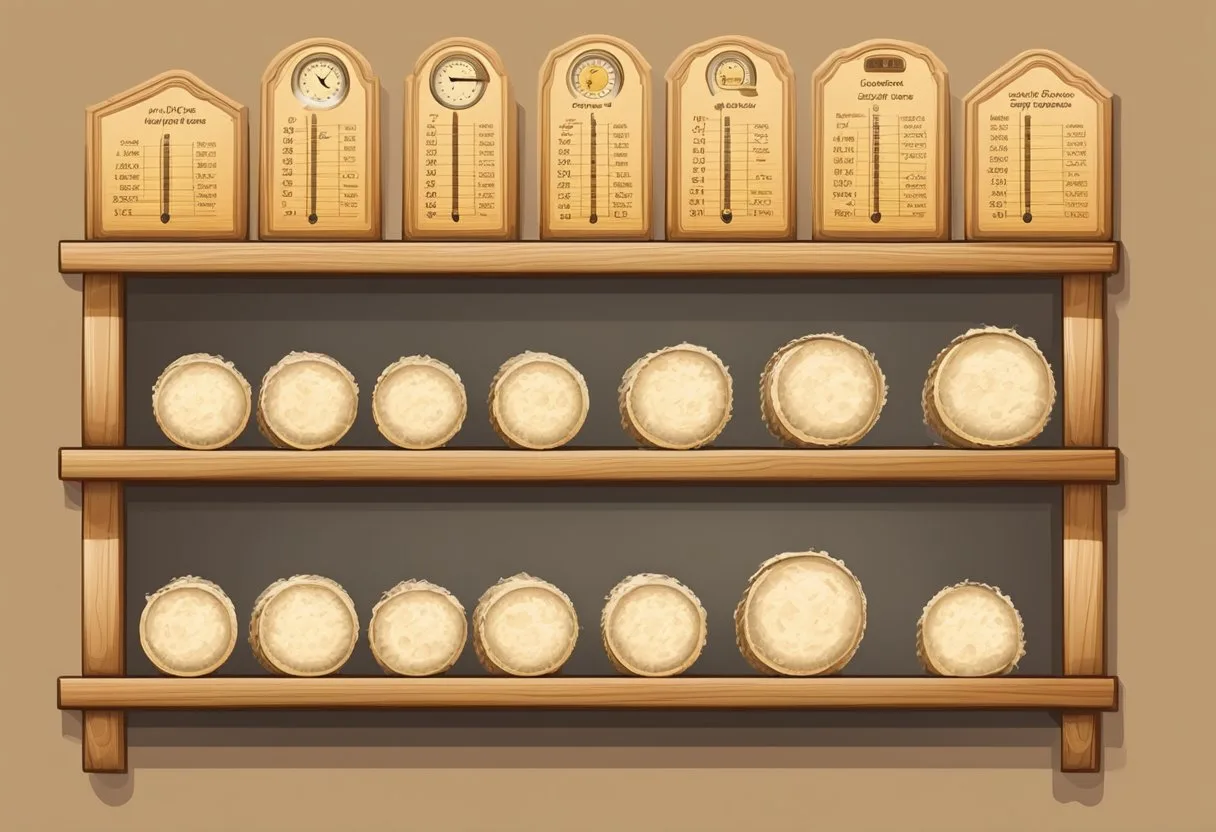
Proper storage techniques are critical for maintaining the quality and extending the shelf life of Parmesan cheese. Both short-term and long-term storage methods must be tailored to preserve the cheese’s texture and flavor.
For short-term storage, Parmesan cheese should be kept in the refrigerator at temperatures between 39 to 46 degrees Fahrenheit (4 to 8 degrees Celsius). The cheese must be allowed to breathe to avoid moisture buildup which can lead to spoilage. If dealing with a wedge of Parmesan, it is advisable to wrap it in parchment paper, cheesecloth, or wax paper before placing it in the fridge. Grated Parmesan should be kept in an airtight container to prevent it from absorbing smells and moisture from the refrigerator.
For long-term storage, Parmesan should generally not be frozen, especially in block form, as this can alter its structure and flavor. However, it is acceptable to freeze Parmesan that has been previously ground for use in future recipes. When storing larger quantities, it's essential to keep the cheese in a cool, dark place where the temperature is consistent, such as a cellar or a special cheese storage unit. Each wheel of Parmesan is aged at least 14 months and should be handled with care to maintain its designation and quality.

Parmesan cheese is renowned for its versatility in the kitchen, elevating a wide range of dishes with its bold, nutty flavor.
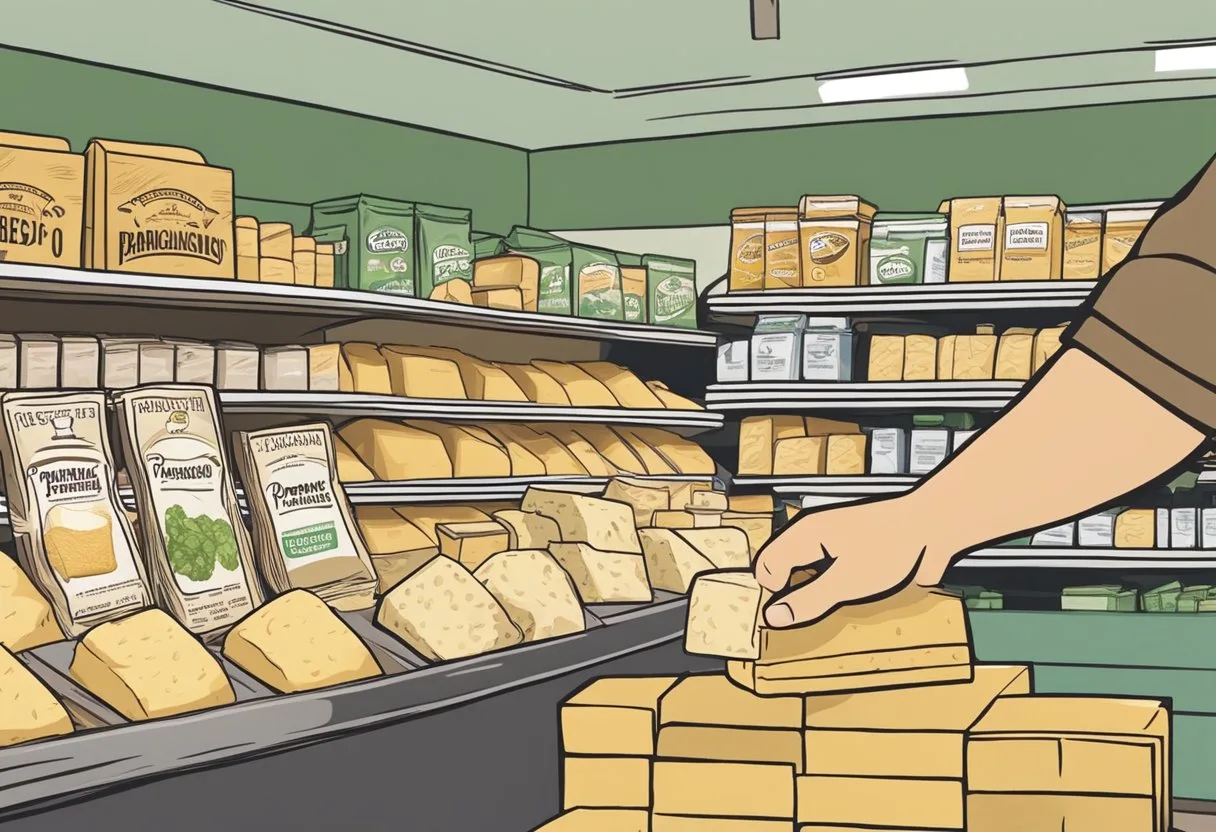
When selecting Parmesan cheese, it's essential for a buyer to understand the markers of authenticity and quality. Recognizing true Parmigiano-Reggiano and identifying the optimal choice for flavor and application can enhance any culinary experience.
Parmigiano-Reggiano is a protected designation of origin (PDO) product, meaning it can only be produced in specific regions of Italy: Parma, Reggio Emilia, Modena, and parts of Bologna and Mantua. Look for the distinct dotted marking on the rind that spells out "Parmigiano-Reggiano" to confirm its authenticity. Each wheel is also marked with a unique serial number and the date it was made, which can be seen on the rind.
When choosing a high-quality Parmesan, consider the aging period. Parmigiano-Reggiano is aged between 12 and 36 months. Aging periods can impact flavor intensity:
The color should be a pale, straw yellow. A deeper yellow indicates a longer aging period and a potentially richer flavor. The aroma should be nutty and the taste should balance salty and sweet notes. It's often recommended to buy a wedge of Parmesan and grate it fresh, as pre-grated cheese loses its flavor quickly.

When considering Parmesan cheese, it is critical to assess sustainability and ethical implications, especially concerning environmental impact and animal welfare.
Parmesan cheese production has a tangible effect on the environment, stemming primarily from dairy farming practices. The cheese's traditional production methods require significant land and water resources. Moreover, cattle farming is associated with greenhouse gas emissions, contributing to climate change.
The ethical treatment of cows in Parmesan production is a significant concern. Investigations into certain dairy farms have unearthed issues with animal welfare, particularly in the production of Parmigiano Reggiano cheese. These include the confinement of cows and the handling of calves, which must be addressed to ensure that ethical standards are met.
In this section, readers will find answers to common inquiries regarding Parmesan cheese, addressing everything from identifying different types to understanding the hallmarks of quality.
One can discern between types of Parmesan cheese by examining aspects like origin, aging period, and taste profile. For instance, authentic Parmigiano-Reggiano is produced in specific regions of Italy and has distinct markings on its rind.
High-quality Parmesan cheese has a granular texture, a rich, nutty flavor, and is often aged for 24 months or longer. The rind should be hard and the interior should feature a crystalline structure, indicating proper aging.
For pizza, a Parmesan cheese with a robust flavor profile, such as Parmigiano-Reggiano, enhances the taste complexity due to its nutty and fruity notes.
Both Sarvecchio Parmesan and Parmigiano Reggiano are excellent for cooking, but Parmigiano Reggiano is often preferred for its traditional and superior aging process that enriches the flavor.
Authentic Parmesan cheese can be sourced from specialty cheese shops, high-end grocers, or online retailers that stock imported cheeses from Italy.
The production and labeling of Parmesan cheese are governed by strict European laws, especially for Parmigiano-Reggiano, which has Protected Designation of Origin status, ensuring it meets stringent standards regarding its production and authenticity.
