
Stocking up on basic kitchen ingredients ensures you are always ready to whip up a meal without the last-minute grocery runs. A well-rounded pantry, refrigerator, and freezer set the foundation for a variety of dishes, from quick weeknight dinners to more complex culinary endeavors. Understanding what staple items to keep on hand allows for creativity, saves time, and can even help to reduce food waste as you make the most of these versatile essentials.
Equipping your kitchen begins with understanding the versatility of spices and herbs, which can dramatically transform even the simplest dishes. Pair these with baking staples, and you'll be ready to create everything from a heartwarming soup to a celebratory cake without hassle. Combining these with a selection of proteins, grains, and pasta, will give you endless opportunities for meal planning, while a selection of canned goods and jarred items can provide convenience and longevity.
Refrigerator and freezer essentials are key to adding freshness and variety to your meals, complemented by the hydration options from beverages and drink mixers—and don't forget snacks for those quick energy boosts. This comprehensive approach to kitchen stocking not only caters to daily nutritional needs but also ensures you're prepared for any culinary task.
Explore more with our Basic Ingredients guide!
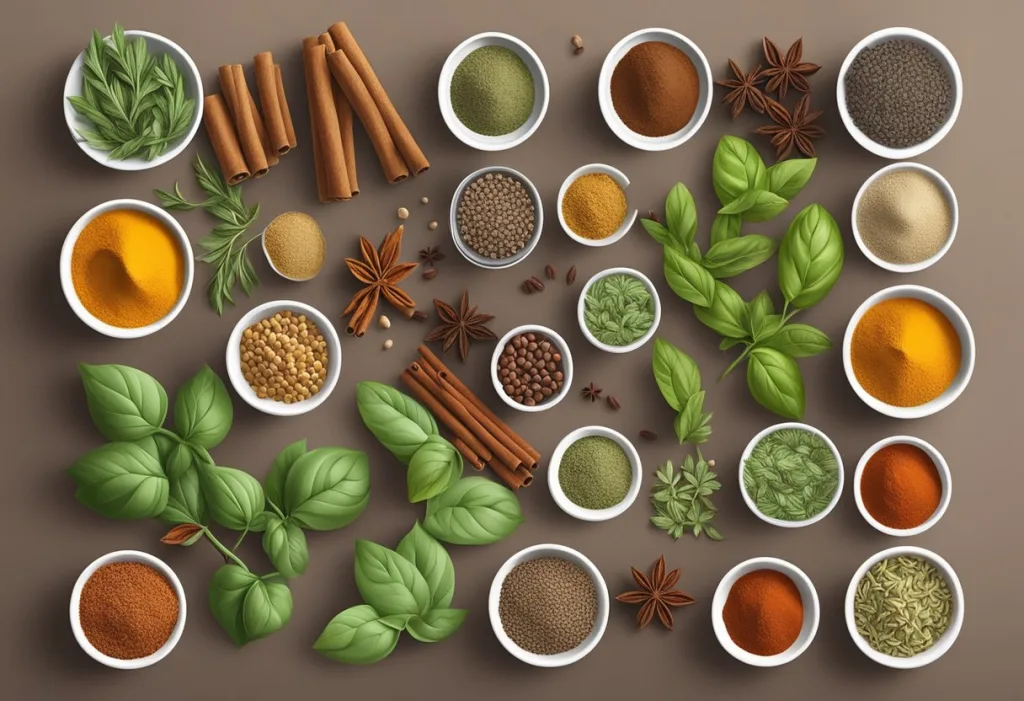
In any kitchen, the inclusion of certain spices and herbs is vital for enhancing the flavor and aroma of dishes. Here is a breakdown of the must-haves in each category.
Each of these spices and herbs serves as a building block for creating flavorful and aromatic culinary creations.

To ensure one's kitchen is always ready for baking, several key ingredients should be on standby. Having these staples ensures that a variety of baked goods can be made without the need for frequent trips to the store.
Flours:
Sugars:
Baking soda: A base that reacts with acids to produce carbon dioxide, which helps baked goods rise.
Baking powder: Contains baking soda and an acid, typically cream of tartar, and is often used when no additional acidic ingredient is present in the recipe.
Oils:
Fats:
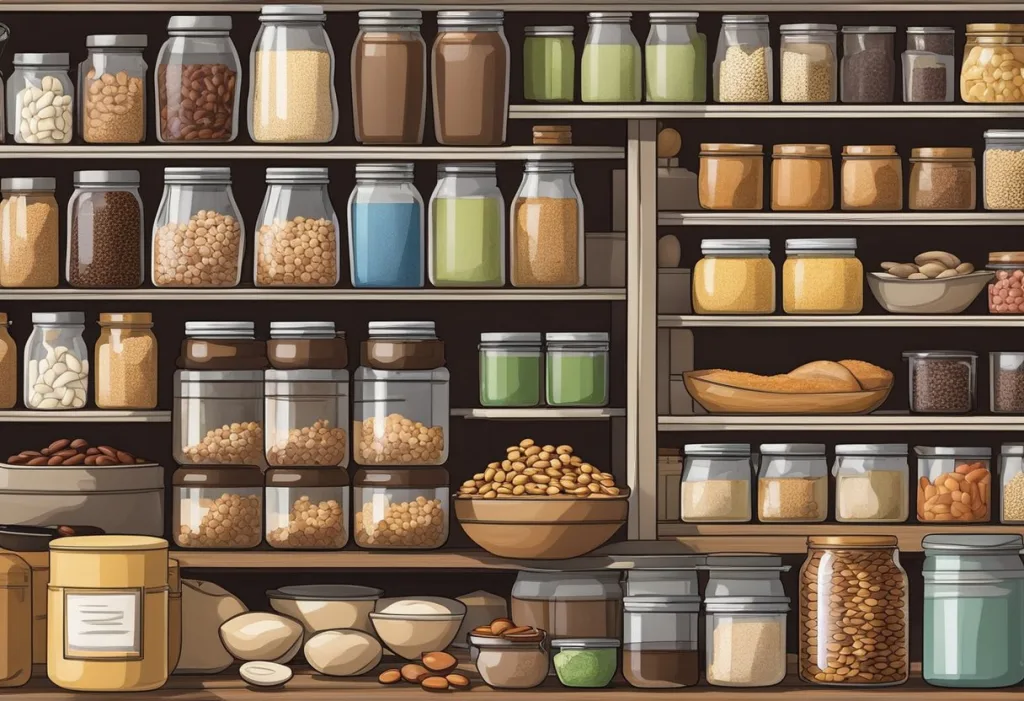
In any well-stocked kitchen, proteins are essential for building a versatile and nutritious meal foundation. Maintaining a variety of protein sources can ensure one is prepared for various recipes and dietary needs.
Legumes and beans are a cost-effective source of protein that also provide dietary fiber, complex carbohydrates, and vitamins. They are an essential staple for vegetarian and vegan diets but benefit everyone. Common varieties include:
Storing both dried and canned options can offer convenience and long shelf life.
Canned and smoked meats are convenient proteins that have a long shelf life and can be used in a variety of dishes. They are excellent for quick meals and emergency food supplies. Popular choices include:
When selecting canned meats, one should opt for those in water or natural juices to avoid extra calories from oils.
Nuts and seeds are not only rich in protein but also contain healthy fats and fiber. They are perfect for snacking or as a crunchy topping for salads and yogurts. Key items to keep on hand include:
For those with allergies, seeds can serve as a great alternative to nuts. Nut butters also provide a versatile, spreadable protein option.
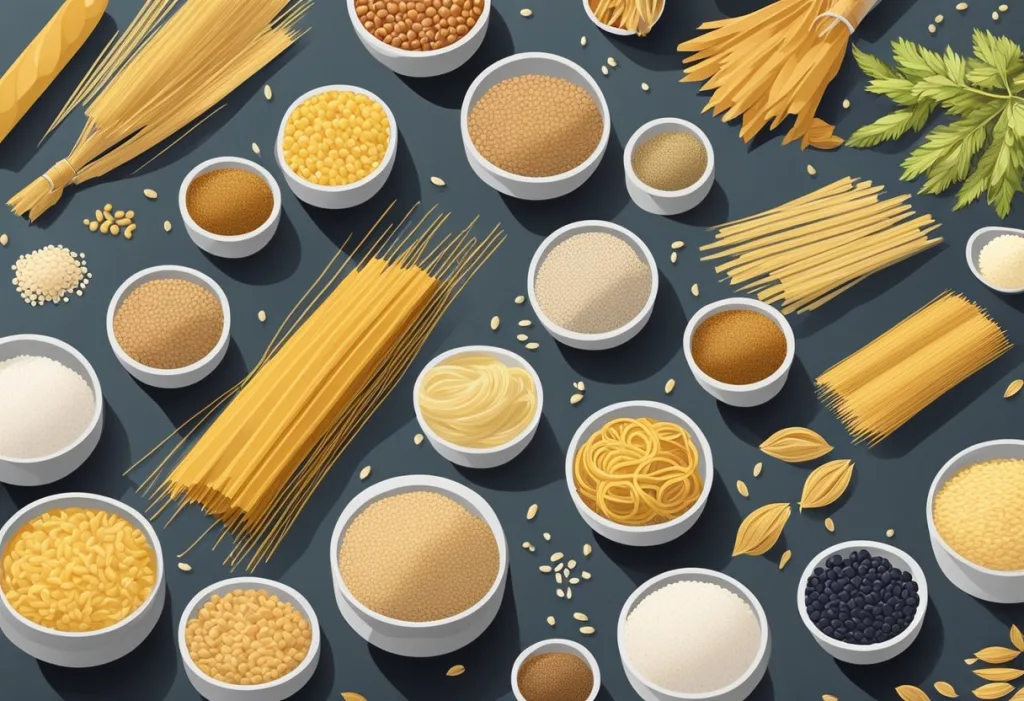
In any well-stocked kitchen, grains and pasta form the foundation for a multitude of dishes, from quick weeknight dinners to more complex recipes. They have a long shelf life and offer a versatile base for a balanced diet.
Rice stands out as a must-have staple, suitable for a wide range of cuisines. Two key types of rice one should always have on hand are:
For healthier options, one can also stock up on brown rice or wild rice, which offer additional fiber and nutrients.
The world of pasta offers an array of shapes and sizes suited to various sauces and cooking styles. Essential pasta types include:
Consider integrating whole-wheat pasta variants for a nutrient-rich alternative to the classic types.
For those looking to expand their culinary palette or accommodate dietary restrictions, alternative grains are a fantastic choice:
These grains are more than just substitutes; they offer unique flavors and textures that can elevate a meal. Including these alternative grains broadens the scope of one's cooking repertoire.

Canned and jarred items are staples in a well-stocked pantry due to their long shelf life and versatility. They are integral in a variety of recipes, from soups and stews to sauces and salads.
Canned tomato products, such as diced tomatoes, are indispensable in the kitchen for their ability to form the base of countless dishes. They can be used in everything from pasta sauces to chilis, providing rich flavor and a dose of nutrition with minimal effort.
Preserved vegetables are a handy solution for meals that need a quick vegetable component without the hassle of cleaning and chopping fresh produce. Vegetables like corn, peas, and carrots retain much of their nutritional value and are ready to use straight from the can.
Pickles and olives bring a briny, tangy element to dishes that can enhance flavors and add brightness. These jarred items are not only great for garnishes but also contribute a punch of flavor to salads, sandwiches, and antipasti platters.
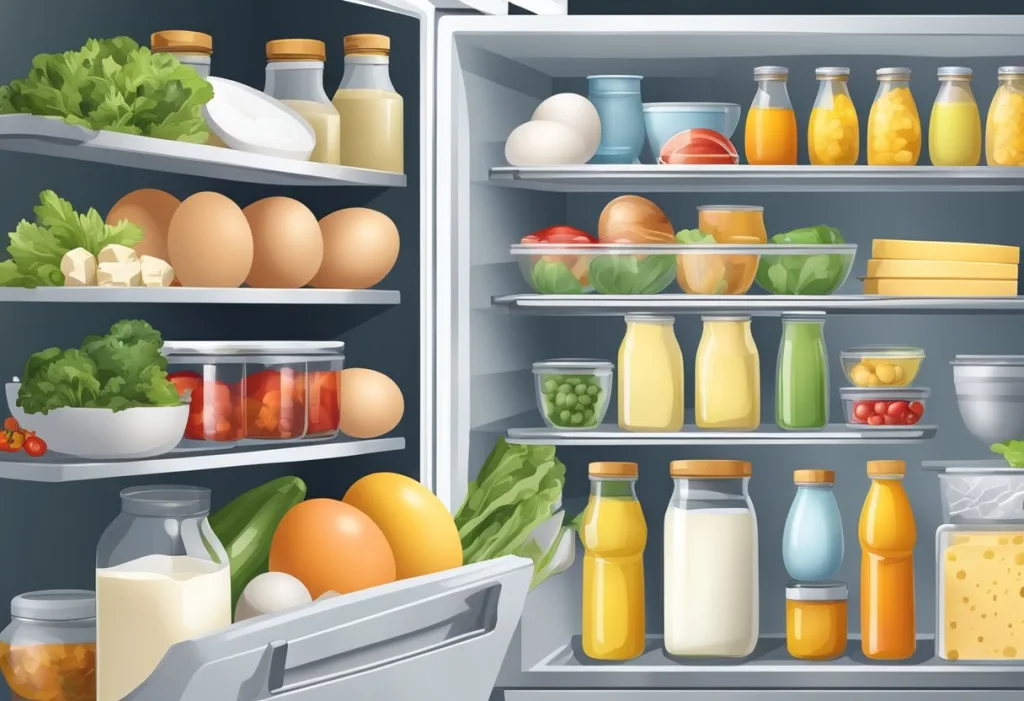
Ensuring one's refrigerator is stocked with essentials supports a variety of meal options and contributes to a well-rounded diet. Here are the basic categories one should consider:
Milk: A staple for cereals, coffee, and recipes, milk is a source of calcium and vitamin D.
Cheese: Having a selection such as cheddar, mozzarella, or Parmesan can enhance dishes with flavor and texture.
Yogurt: Useful for breakfasts, smoothies, or as a healthy snack, it provides probiotics and protein.
Leafy Greens: Spinach, kale, and lettuces are versatile for salads and cooking, offering essential vitamins and minerals.
Berries: Strawberries, blueberries, and raspberries are high in antioxidants and are perfect for a quick snack or to add to breakfast dishes.
Vegetables: Carrots, bell peppers, and broccoli stay fresh longer and are great for snacking, cooking, or adding to meals for nutrition and color.
Mustard and Ketchup: Classic condiments that are useful for sandwiches, hot dogs, and various recipes.
Mayonnaise: A creamy addition that serves as a base for dressings, sauces, or as a spread.
Soy Sauce: Offers a savory umami flavor to marinades, stir-fries, and as a dipping sauce.
Hot Sauce: For those who enjoy spice, it can kick up the heat and add complexity to dishes.
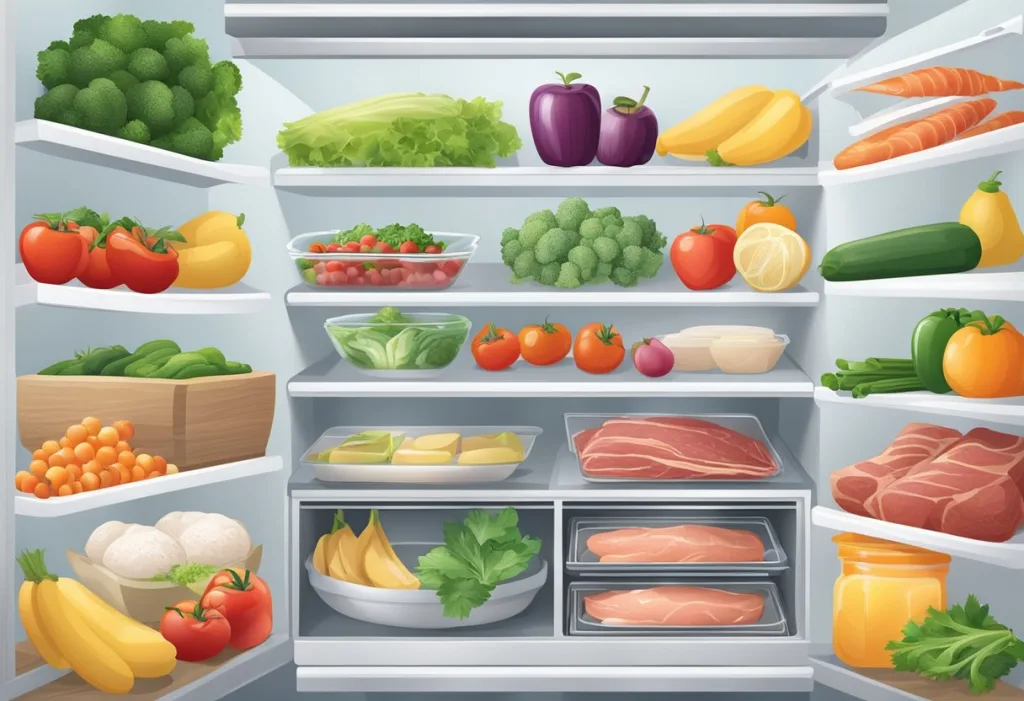
One's kitchen should always be stocked with an assortment of frozen foods that are incredibly versatile and long-lasting. They serve as a reliable foundation for a variety of healthy meals and can save time on food preparation.
A variety of frozen vegetables and fruits are valuable for maintaining a balanced diet. They retain their nutritional value well and are often frozen at peak ripeness, ensuring they are as nutritious as their fresh counterparts. Common staples include:
Vegetables such as peas and carrots are also convenient for adding to soups and stews, providing both flavor and nutrients.
For protein, keeping a selection of frozen options ensures one has the building blocks for a muscle-friendly, satisfying meal at any time. Good choices include:
Items like frozen shrimp are often preferable for their convenience and because they are flash-frozen shortly after being caught, guaranteeing their freshness.

Every well-stocked kitchen should have a variety of beverages and drink mixers to cater to different occasions and tastes. From hosting parties to enjoying a quiet evening, the right selection can elevate any moment.
For those who enjoy crafting cocktails or sipping spirits, a few key alcoholic essentials can support a wide range of drinks. It's advised to include:
This list provides a basic foundation that allows for the creation of many traditional and modern cocktails.
Non-alcoholic options are equally important, both for non-drinkers and as mixers in alcoholic beverages. A selection of essential non-alcoholic beverages would typically include:
Having these on hand ensures one can prepare a broad range of non-alcoholic and mixed drinks.
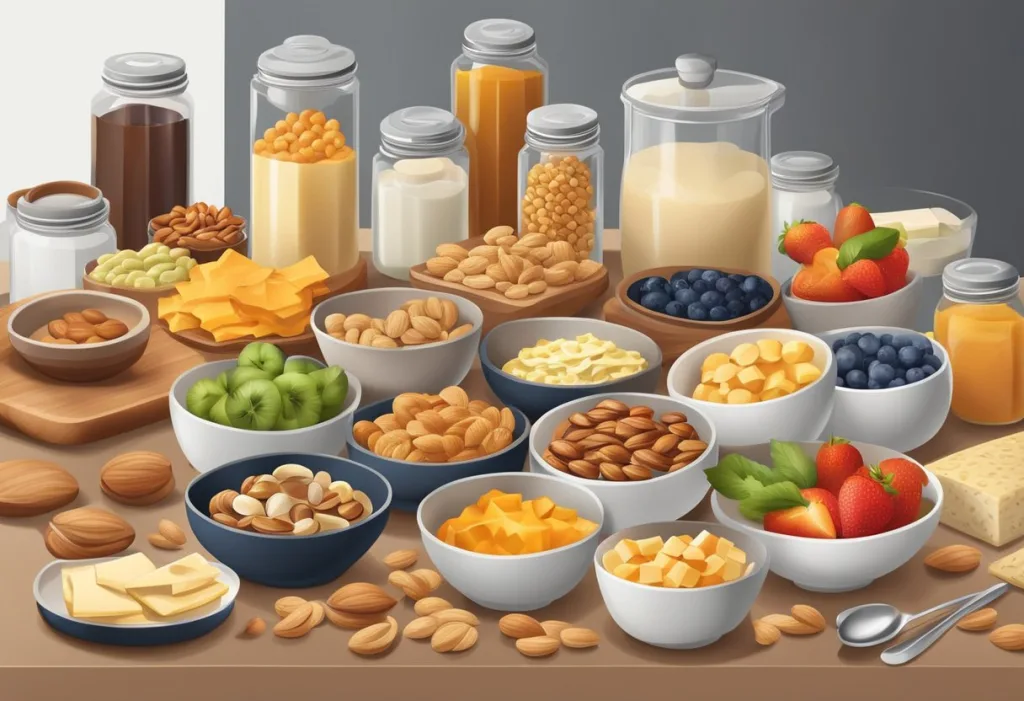
A well-stocked kitchen should have a variety of snack options to suit both sweet and salty cravings. These ingredients enable one to whip up a quick snack with minimal effort.
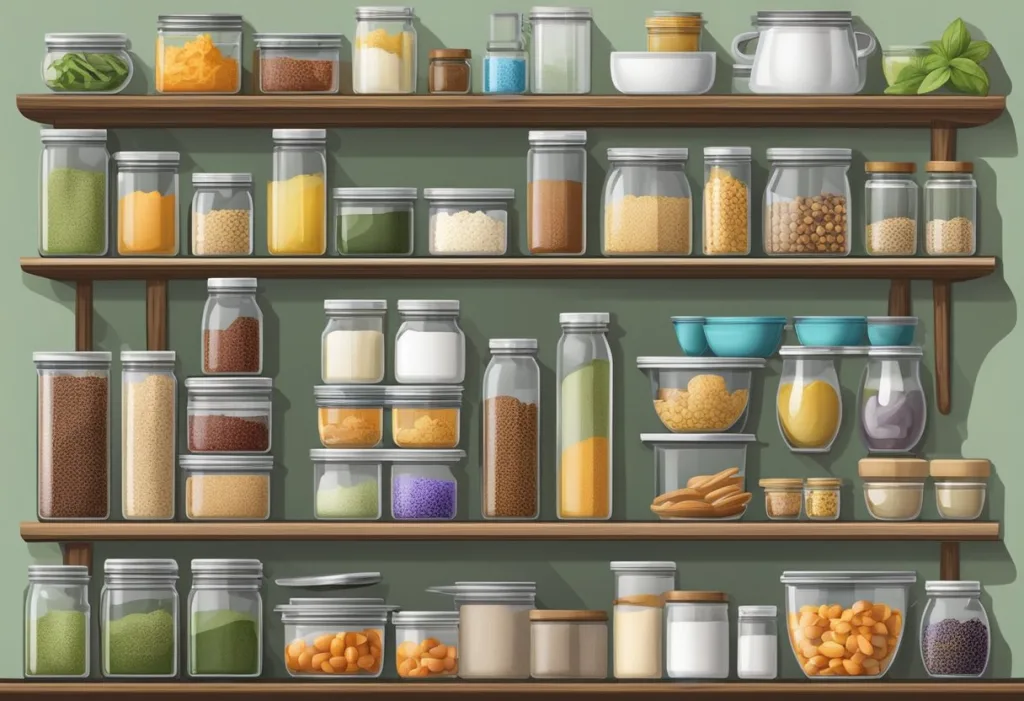
In this section, essential kitchen staples, spices, perishables, baking essentials, fresh produce, and condiments are discussed to help maintain a well-equipped kitchen.
A well-stocked kitchen should include various grains, dried beans, oils, vinegars, and a selection of canned goods. These items form the basis of many recipes and have the advantage of longer shelf life.
The foundation of any home spice rack should include salt, black pepper, oregano, turmeric, bay leaves, cayenne pepper, thyme, and cinnamon. These spices and herbs are key to adding flavor and depth to a wide array of dishes.
Essential perishable items include milk, butter, eggs, and a variety of fresh vegetables and meats. These items are critical for a wide range of common recipes and typically need to be refreshed regularly.
Home baking requires a set of specific pantry items including all-purpose flour, white sugar, brown sugar, powdered sugar, baking powder, and active dry yeast. These ingredients are indispensable for creating baked goods from cookies to bread.
Fresh produce such as leafy greens, tomatoes, onions, and seasonal fruits should always be kept in stock. They supply essential nutrients and can be used in everything from salads to entrees, contributing to a balanced diet.
A basic assortment of condiments that enhances flavor across cuisines includes soy sauce, mustard, ketchup, mayonnaise, and a variety of hot sauces. These condiments add complexity and cater to different taste preferences in numerous culinary traditions.
