
Establishing a well-stocked pantry is the first step toward culinary self-sufficiency. Basic ingredients in cooking serve as the building blocks for a vast array of dishes, allowing home cooks to create wholesome meals from scratch. These essentials include a balanced mix of carbohydrates, proteins, and fats, along with herbs, spices, and other flavor enhancers. Having the right ingredients at hand makes it possible to whip up both simple and complex recipes without the need for last-minute grocery runs.
Knowledge of how to use these fundamental components is equally important. Understanding the roles of various food groups and how they contribute to a dish’s flavor, texture, and nutritional value can transform cooking from a mundane task into a creative and rewarding process. Moreover, familiarizing oneself with different sweeteners, leavening agents, acids, and vinegars enables experimentation and refinement of recipes, which is key to developing culinary expertise.


The success of any dish greatly depends on the mastery of certain foundational ingredients. These essentials - water and liquids, fats and oils, and salts and seasonings - serve as the cornerstone of cooking, each playing a critical role in both the flavor and outcome of recipes.
Water is the universal solvent in cooking, crucial for methods like boiling, steaming, and as a base for soups and sauces. Liquids like chicken stock or vegetable broth add layers of flavor, while liquids such as milk or juice can contribute to the texture and taste of a dish.

Fats and oils are essential not just for cooking and frying, but for their flavor and ability to carry other flavors throughout a dish. Butter provides a rich, creamy taste, while olive oil is ideal for its health benefits and fruity notes.
Salt is more than a flavor enhancer; it alters food's chemical structure, bringing out natural flavors and preserving ingredients. Seasonings, including herbs and spices, are used to impart depth and character to food.

Carbohydrates are essential in cooking, offering energy and structure to various dishes. They come in many forms, from flours used in baking to rices that complement meals with texture and substance.
Flour is the backbone of many baked goods, providing the necessary gluten structure for breads and pastries. Common wheat flour is versatile, while almond flour offers a lower-carbohydrate alternative. Cornstarch and arrowroot powder are go-to thickeners for sauces and gravies.
Rice varieties like long-grain basmati and short-grain arborio are pivotal in countless recipes, from aromatic pilafs to creamy risottos. Whole grains such as quinoa and farro bring a nutty flavor and are praised for their high fiber content.
Pasta comes in numerous shapes and sizes, each pairing with different sauces and ingredients. Durum wheat is standard for pasta, while rice noodles and soba offer gluten-free and whole-grain alternatives for varied dietary needs.

In any well-stocked kitchen, a variety of proteins form the foundation for countless recipes. They're not only essential for muscle repair and growth but also serve as a source of vital nutrients in a balanced diet.
Beef: It's versatile and rich in iron, with cuts like sirloin and chuck suitable for grilling and stewing.
Chicken: A lean option, it is a popular protein that can be roasted, baked, or stir-fried.
Pork: Offers varieties like pork chops and tenderloin, providing B vitamins and potassium.
Turkey: Low in fat, often roasted or ground into lean mince for healthier options.
Salmon: High in omega-3 fatty acids, perfect for grilling and baking.
Tuna: Available fresh or canned, a convenient source of protein for salads and sandwiches.
Shrimp: Low in calories, they cook quickly, ideal for stir-fries and pasta dishes.
Cod: A mild, flaky fish, good for breading and baking, also rich in vitamins B12 and B6.
Eggs: Nature's multivitamin, can be boiled, scrambled, or used in baking.
Milk: Provides calcium for bone health and can be incorporated into sauces or desserts.
Cheese: Comes in many varieties like cheddar or mozzarella; adds flavor and texture to dishes.
Yogurt: Greek yogurt is high in protein and probiotics, great for breakfasts or smoothies.

In the realm of cooking, fruits and vegetables are foundational, delivering not only essential nutrients but also a wide spectrum of flavors and textures. They can be used in everything from salads and sides to main dishes and desserts.
Fresh produce is the cornerstone of healthy cooking, providing both vibrant colors and vital nutrients. When selecting fruits and vegetables, one should look for those that are in season to ensure the best flavor and value. Cooking techniques can vary widely, from steaming broccoli to retain its crispness and bright color to roasting root vegetables which enhances their natural sweetness. To prepare cabbage, for instance, it can be sliced and boiled for 5 to 10 minutes or roasted in an oven at 425 F until it is golden and tender, which usually takes about 25 to 30 minutes A Pocket Guide to Preparing Fruits and Vegetables.
Herbs and spices are the magic makers in the kitchen, offering a way to enhance and transform dishes with just small sprinklings. Fresh herbs, like basil or cilantro, should be added near the end of the cooking process to preserve their delicate flavors, whereas dried herbs and ground spices, like oregano or cumin, are more potent and often used at the start. For anyone new to cooking with herbs and spices, we have more than 200 recipes and ideas available that can serve as a guide for incorporating these flavor boosters into meals.
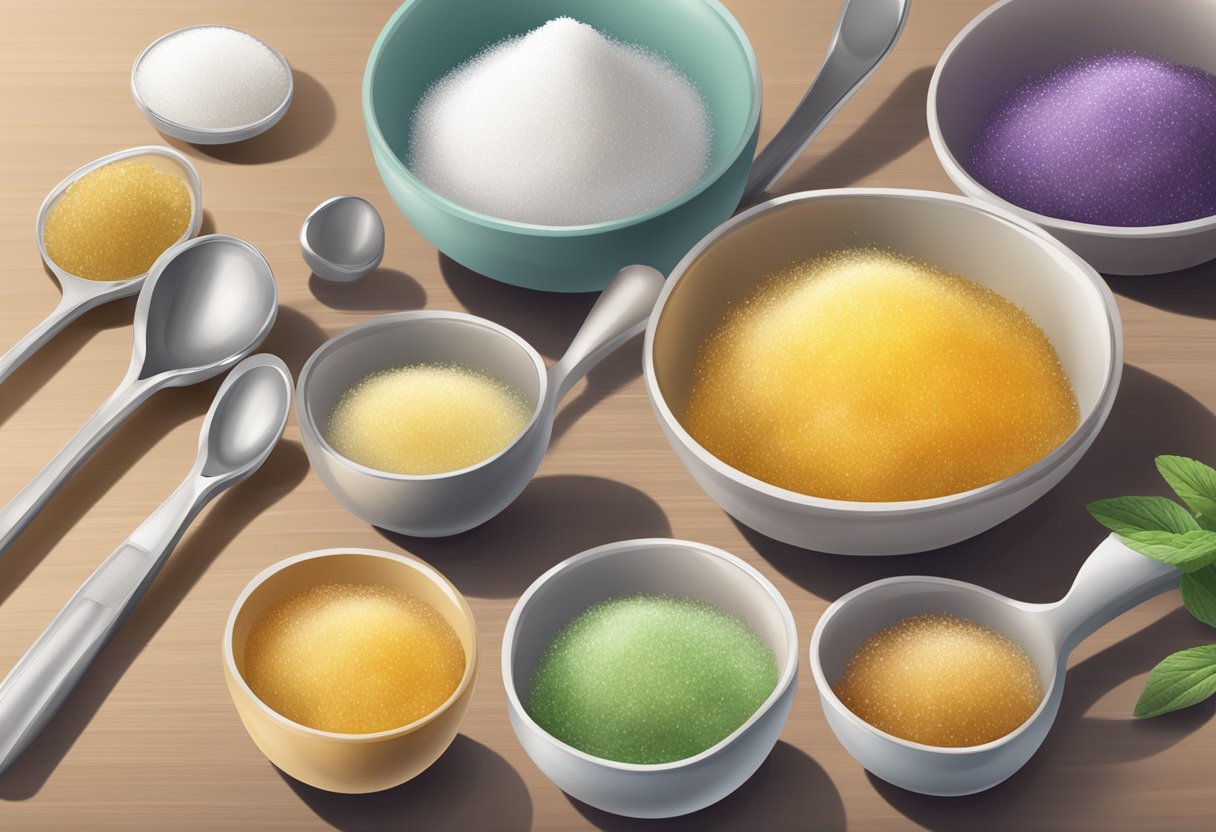
When it comes to cooking and baking, sugars and sweeteners are essential for flavor, texture, and color. They are diverse in type and usage, each imparting unique properties to dishes.
Granulated Sugar: Often referred to as white sugar, this is the most commonly used sweetener in kitchens. It’s excellent for adding volume and tenderness to baked goods.
Brown Sugar: Contains molasses, giving it a moist texture and a flavor that's perfect for rich desserts. It comes in light and dark varieties, with the latter having a stronger taste.
Powdered Sugar: Also known as confectioners' sugar, it's granulated sugar that's been ground to a fine powder and mixed with a small amount of cornstarch to prevent caking. It's mainly used for icings and frostings due to its easily dissolvable nature.
Honey: A natural sweetener produced by bees, honey adds a distinct flavor to dishes and is often used in dressings and marinades.
Maple Syrup: Derived from the sap of maple trees, it's not just for pancakes but also adds complexity to savory dishes and desserts.
Alternative Sweeteners:
Sweetener substitutes must be chosen carefully as they can affect the outcome of the recipe. Cooking and baking involve both science and art, and sugars and sweeteners play a pivotal role in both aspects.
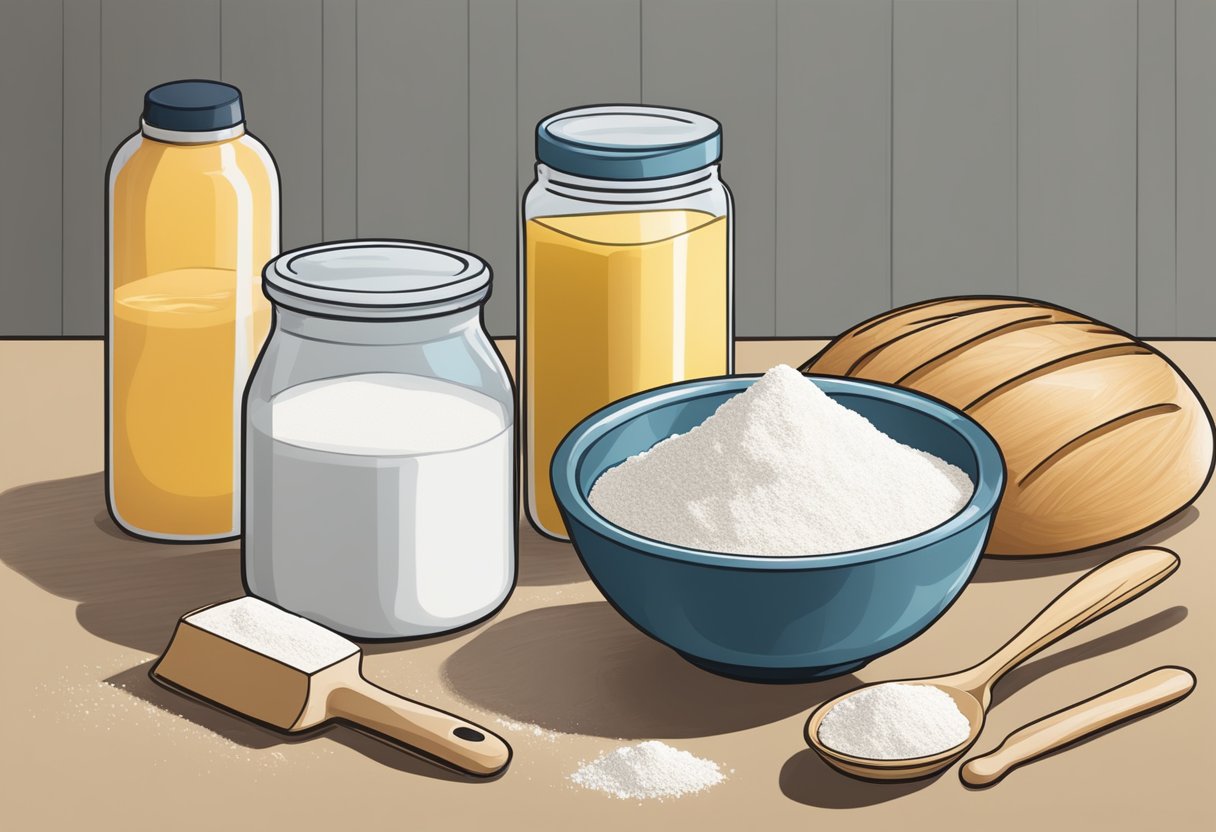
In the culinary world, leavening agents are pivotal for creating an array of baked goods. They serve to aerate the dough or batter, giving the finished product a light and fluffy texture. They can be classified into three main categories:
Usage Tips:
Baking Environment:
Temperature and ingredients' consistency are crucial. Yeast, for example, requires a warm environment to activate, while chemical leaveners might require specific temperatures to react properly.
Utilizing the right leavening agent is essential for achieving the correct texture and rise in baking. Each agent works differently, and understanding their properties helps in selecting the appropriate one for each recipe.

In culinary endeavors, acids and vinegars are indispensable for adding brightness and balance to dishes. They can tenderize meats, preserve foods, and enhance flavors.
Types of Vinegar:
Uses:
Each vinegar has distinct properties and applications. For example, Real Simple outlines the versatility of white vinegar in both cleaning and cooking. Additionally, apple cider vinegar has myriad uses, ranging from health benefits to culinary applications.
Acidic ingredients are not limited to vinegars; lemon juice, with a pH of 2, is another essential kitchen acid, as noted by America's Test Kitchen. They enhance flavors and are equally as crucial in cooking processes, like maintaining the correct pH in cheese making.
It's important to understand that the quality of vinegar affects the outcome of a dish. A Masterclass guide suggests using specific types of vinegar for different cooking methods, such as wine vinegar for braising or distilled white vinegar to create a simple but flavorful pickling brine.
This section addresses common inquiries about basic cooking ingredients, providing straightforward answers for everyone from the novice home cook to the experienced chef looking to round out their pantry.
A well-stocked pantry should include grains such as rice and pasta, canned goods like beans and tomatoes, a variety of stocks or broths, and baking essentials such as flour and sugar. The 30 Essential Ingredients Every Beginner Cook Needs To Have On Hand article expands on this list.
Onions, garlic, and potatoes are foundational due to their versatility and long shelf-life. Leafy greens and citrus fruits are also indispensable for their nutrition and ability to enhance flavors.
Salt and black pepper are the absolute basics for seasoning, while other staples include garlic powder, cayenne pepper, cumin, and dried herbs such as oregano and thyme. For a more comprehensive list, see Basic Ingredients For Cooking.
Milk, butter, and cheese, particularly Parmesan or cheddar, are core dairy items. Eggs, while not dairy, are often grouped with these essentials for their crucial role in many recipes.
Flour, sugar, baking powder, baking soda, and yeast are critical for baking. Additionally, eggs and butter play a key role in structure and flavor. For further details, one can refer to the Basic Ingredients - The Spruce Eats guide.
Olive oil, vegetable oil, and canola oil are necessary for everything from sautéing to baking. Solid fats like butter and coconut oil are important for specific textures and flavors in dishes.
